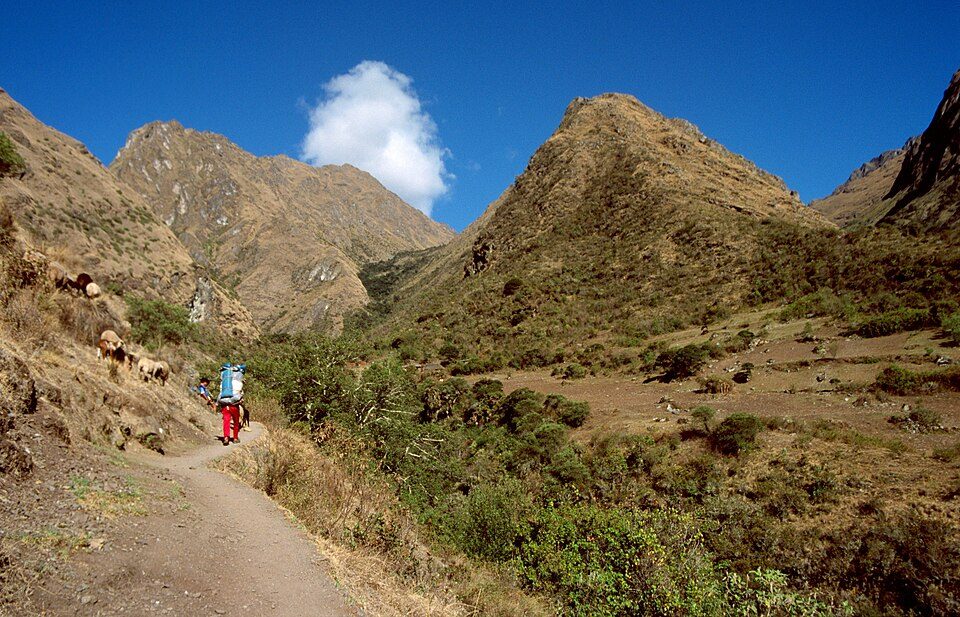
Inca TrailColegota · CC BY-SA · Wikimedia Commons
← All destinations
Be Peru · Destination Guide

Inca TrailWalk the route, not just the destination.

Original Inca paths cross mountain passes, cloud forest and archaeological sites before reaching Machu Picchu. This is a managed trekking journey where preparation matters as much as the finish.

RegionCusco Andes
Best forNature · Culture
PaceTailor-made
PlanningAcclimatization & logistics
Inca Trail · PeruChris Smith · CC BY · Wikimedia Commons
Inca Trail · Peru
Why come here

Walk the route, not just the destination.

Curious travelersTravel advisorsPrivate journeysSmall groups
01

A place with its own identity

Original Inca paths cross mountain passes, cloud forest and archaeological sites before reaching Machu Picchu. This is a managed trekking journey where preparation matters as much as the finish.

02

Beyond the first impression

Connect Warmiwañusca Pass with Sayacmarca. Allow time to understand the landscape and its history rather than rushing between stops.

03

Planning matters

Book through an authorized operator with named permits; availability is limited and the trail normally closes in February. Acclimatize first and confirm the route, support standards and exit arrangements.

Signature experiences

Five ways into Inca Trail

The Inca Trail connects mountain passes, cloud forest and archaeological sites through a journey shaped by both Inca engineering and the people who support today’s walkers. A thoughtfully paced itinerary can bring specialist interpretation, Andean cooking and voluntary conversations with the trail team into focus, while respecting altitude, permits and conservation.

Archaeology on footMountain landscapesTrail team encountersAndean cooking
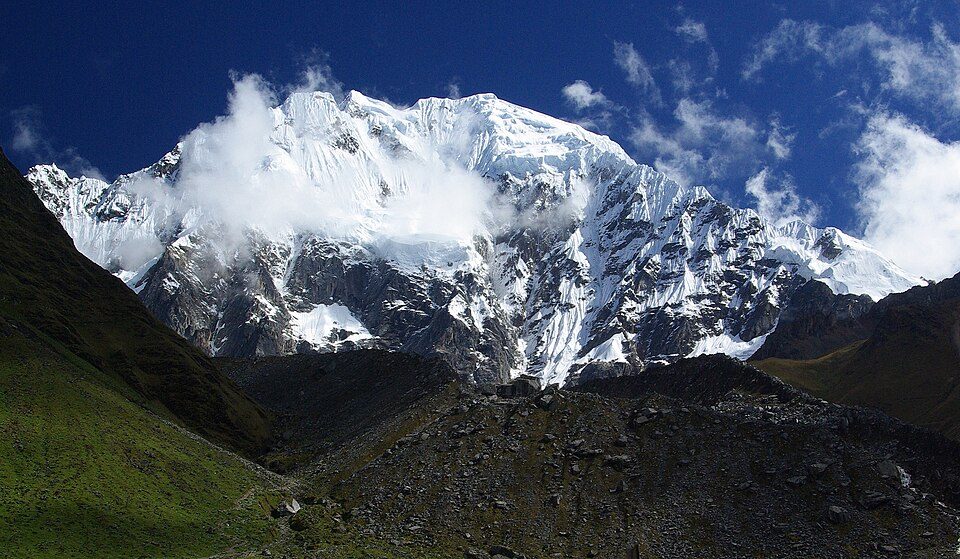
Warmiwañusca: Understanding the High PassColegota · CC BY-SA · Wikimedia Commons
01

Warmiwañusca: Understanding the High Pass

On the classic Inca Trail, the ascent to Warmiwañusca makes the mountain environment tangible. With a knowledgeable guide, consider how terrain shaped movement through the Andes and observe the changing vegetation as you climb. Build in acclimatization before the trek and a realistic walking pace; reaching the pass should never take priority over health or safe conditions.
High AndesGuided walking
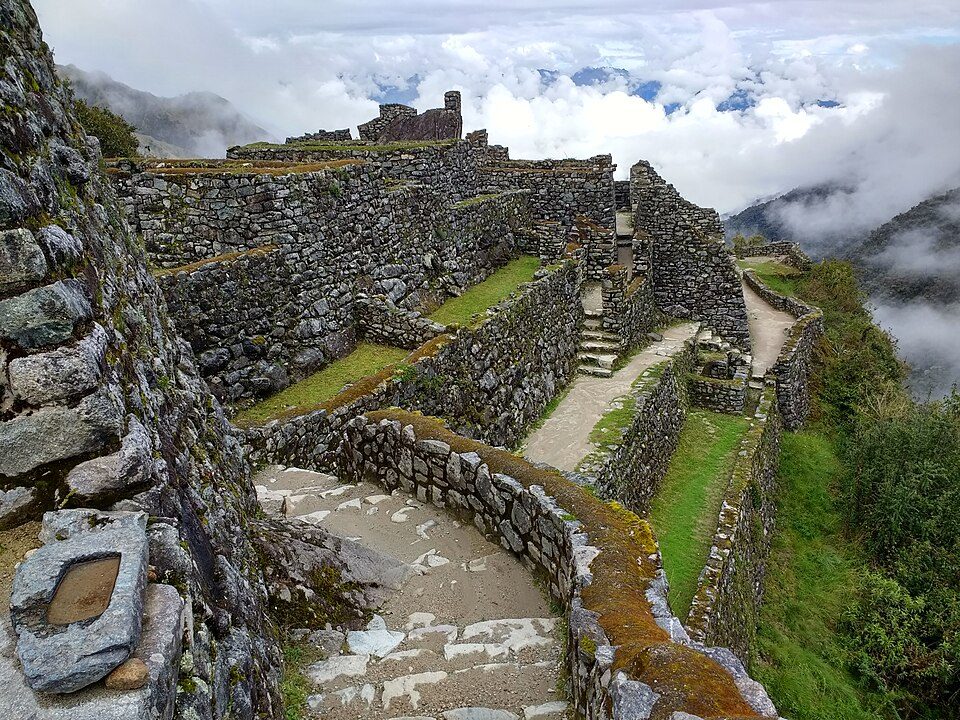
Sayacmarca: Reading the Inca LandscapeMx._Granger · Public domain · Wikimedia Commons
02

Sayacmarca: Reading the Inca Landscape

Explore Sayacmarca with a guide versed in Inca archaeology, examining its masonry, stairways and relationship to the surrounding terrain from permitted paths. On the classic route, connect observations here with earlier visits to Llactapata and Runkurakay. Rather than assigning every structure a certain purpose, distinguish what the physical evidence shows from interpretations that remain open to debate.

ArchaeologyInca roads
Phuyupatamarca: Water, Stone and Cloud ForestD. Gordon E. Robertson · CC BY-SA · Wikimedia Commons
03

Phuyupatamarca: Water, Stone and Cloud Forest

At Phuyupatamarca, focus on the relationship between built spaces, water channels and the steep landscape. A specialist guide can connect these details to sites already encountered along the classic trail, while keeping uncertain functions open to discussion. Take time to observe the cloud-forest setting without leaving authorized paths; mist may conceal rather than reveal the surrounding mountains.

Water engineeringCloud forest
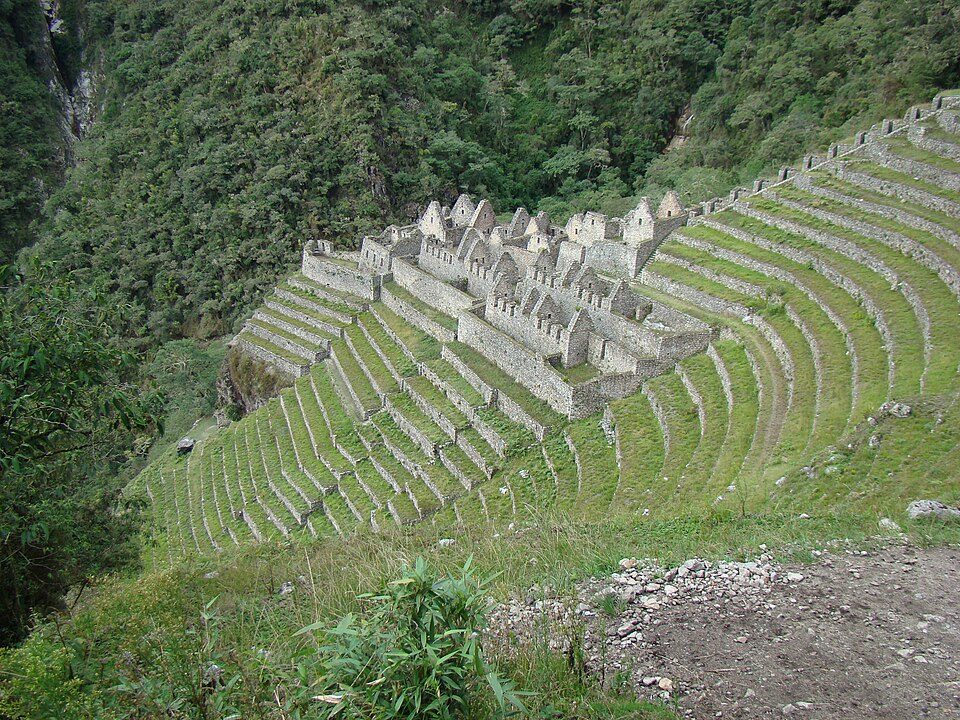
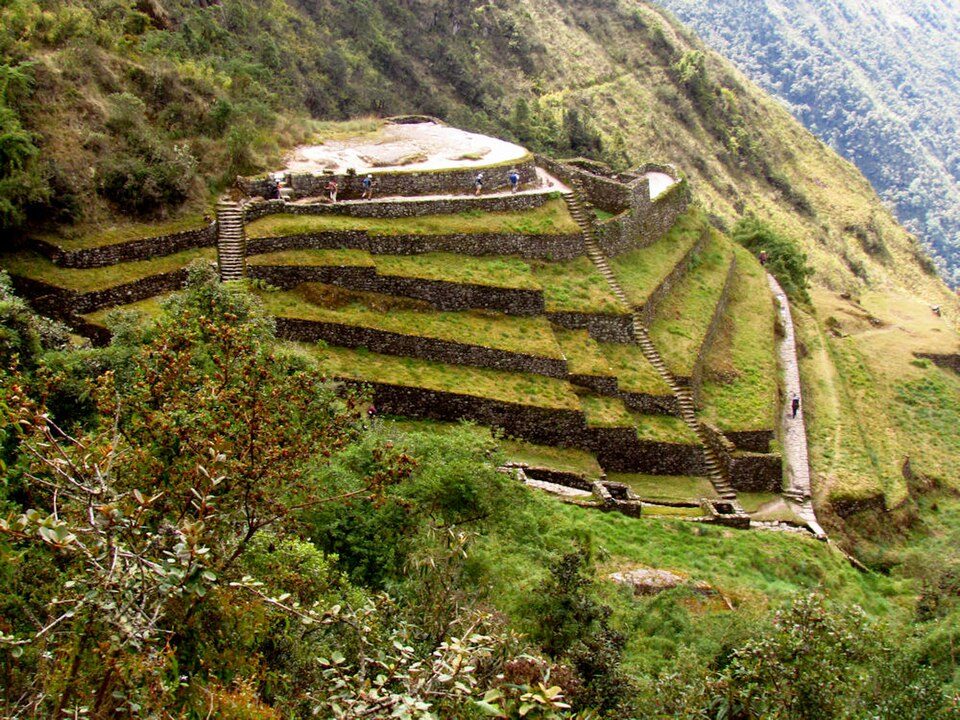
Wiñay Wayna: Terraces Before the FinaleChris Smith · CC BY · Wikimedia Commons
04

Wiñay Wayna: Terraces Before the Finale

Wiñay Wayna offers a chance to draw together the trail’s archaeological story through its terraces, buildings and water features. Explore how these elements relate to the slope, with a guide separating evidence from conjecture. Within the authorized itinerary, allow space for observation before the onward walk toward Inti Punku, rather than treating the site as merely a final checkpoint.

TerracesArchaeological interpretation
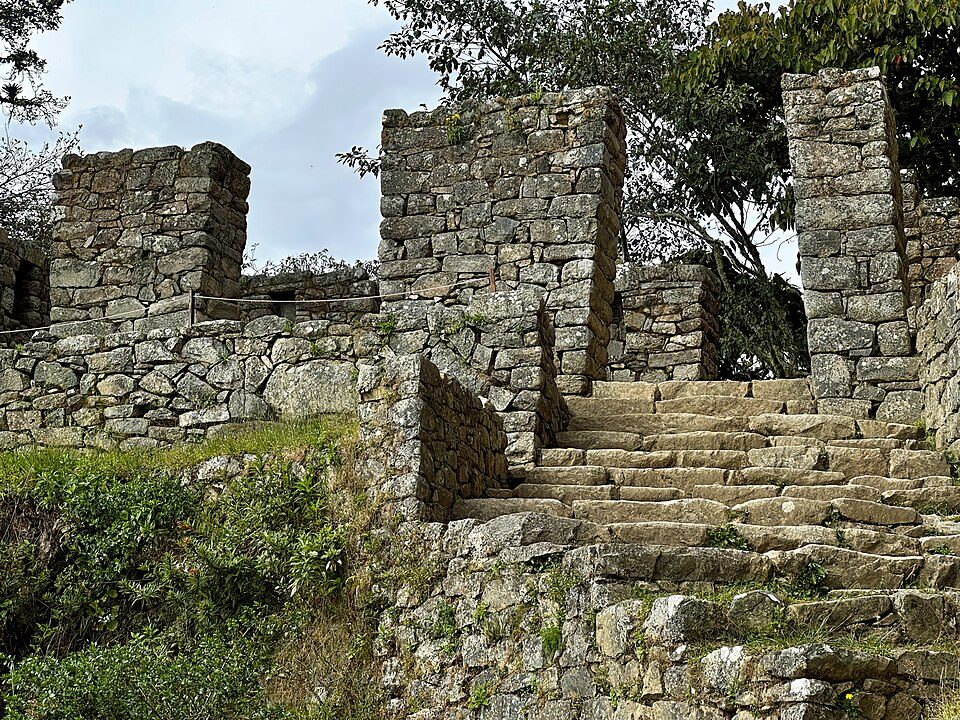
Inti Punku: An Arrival with ContextSteve FUNG · CC BY-SA · Wikimedia Commons
05

Inti Punku: An Arrival with Context

Approach Inti Punku, the Sun Gate, as the culmination of the walk from Wiñay Wayna, not a guaranteed sunrise spectacle. Weather and trail schedules shape the moment. Pause where permitted to consider Machu Picchu’s setting and the connections traced along the trail, then continue under the entrance arrangements and visitor circuit authorized for your itinerary.

Sun GateMachu Picchu
06

Meet the People Behind the Trail

Before departure, a voluntary conversation with available porters and cooks can introduce their home communities, high-Andean daily life and perspectives on trekking work. Arrange any exchange around their preparation duties, with agreed recognition for additional hosting time. Personal stories and photographs are shared only with consent, never as a staged performance.

Local perspectivesFair hosting
07

Inside the Andean Trail Kitchen

If the cooking team’s schedule and hygiene arrangements allow, explore native potatoes, quinoa, corn or regional herbs through a chef-led explanation or a small participatory element at a meal. Ingredients depend on sourcing and the trek menu. Keep any interaction outside busy preparation periods, without assuming access to working kitchen areas.

Andean foodCulinary exchange
Give the Trail’s People and Places Time

Team conversations and food exchanges depend on willing hosts, fair compensation and working schedules. Trek permits, campsite allocations, weather and acclimatization shape the plan. Warmiwañusca, Sayacmarca and Phuyupatamarca belong to the classic route, not the short Inca Trail; archaeological access and the Machu Picchu circuit must match the authorized itinerary.

Send us a brief

One destination. Many ways to experience it.

Shape your journeyBack to experiences
The destination through the year

When to come, how to arrive

Book through an authorized operator with named permits; availability is limited and the trail normally closes in February. Acclimatize first and confirm the route, support standards and exit arrangements.

Weather & rhythm
May–SeptemberThe landscape sets the paceGenerally drier Andean months; cold nights and rapid weather changes.
Before departureCheck current conditionsBook through an authorized operator with named permits; availability is limited and the trail normally closes in February. Acclimatize first and confirm the route, support standards and exit arrangements.
Year-roundTravel respectfullyAgree photography and visits with local hosts; leave room for changes in weather.
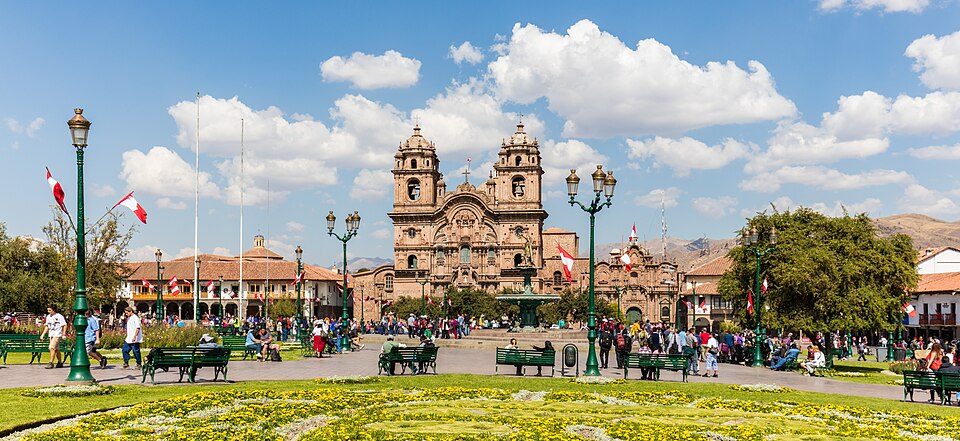
Living traditionsMx._Granger · Public domain · Wikimedia Commons
Year-round

Living traditions

The story of Inca Trail also lives in its markets, crafts and everyday places. Cultural visits are coordinated with local hosts; celebrations are not private performances.

Culture
Warmiwañusca PassColegota · CC BY-SA · Wikimedia Commons
Conditions dependent

Warmiwañusca Pass

Book through an authorized operator with named permits; availability is limited and the trail normally closes in February. Acclimatize first and confirm the route, support standards and exit arrangements.

Planning
Planning note

Book through an authorized operator with named permits; availability is limited and the trail normally closes in February. Acclimatize first and confirm the route, support standards and exit arrangements.

Plan with us
Be Peru DMC

Book through an authorized operator with named permits; availability is limited and the trail normally closes in February. Acclimatize first and confirm the route, support standards and exit arrangements.

Your next program

Make room for Inca Trail

Share your traveler profile, dates and group size. We shape a tailored proposal and confirm logistics before quoting.

Send us a brief