Sacred ValleyFLASHPACKER TRAVELGUIDE · CC BY-SA · Wikimedia Commons
← All destinations
Be Peru · Destination Guide

Sacred ValleyA living valley, shaped by the Andes.

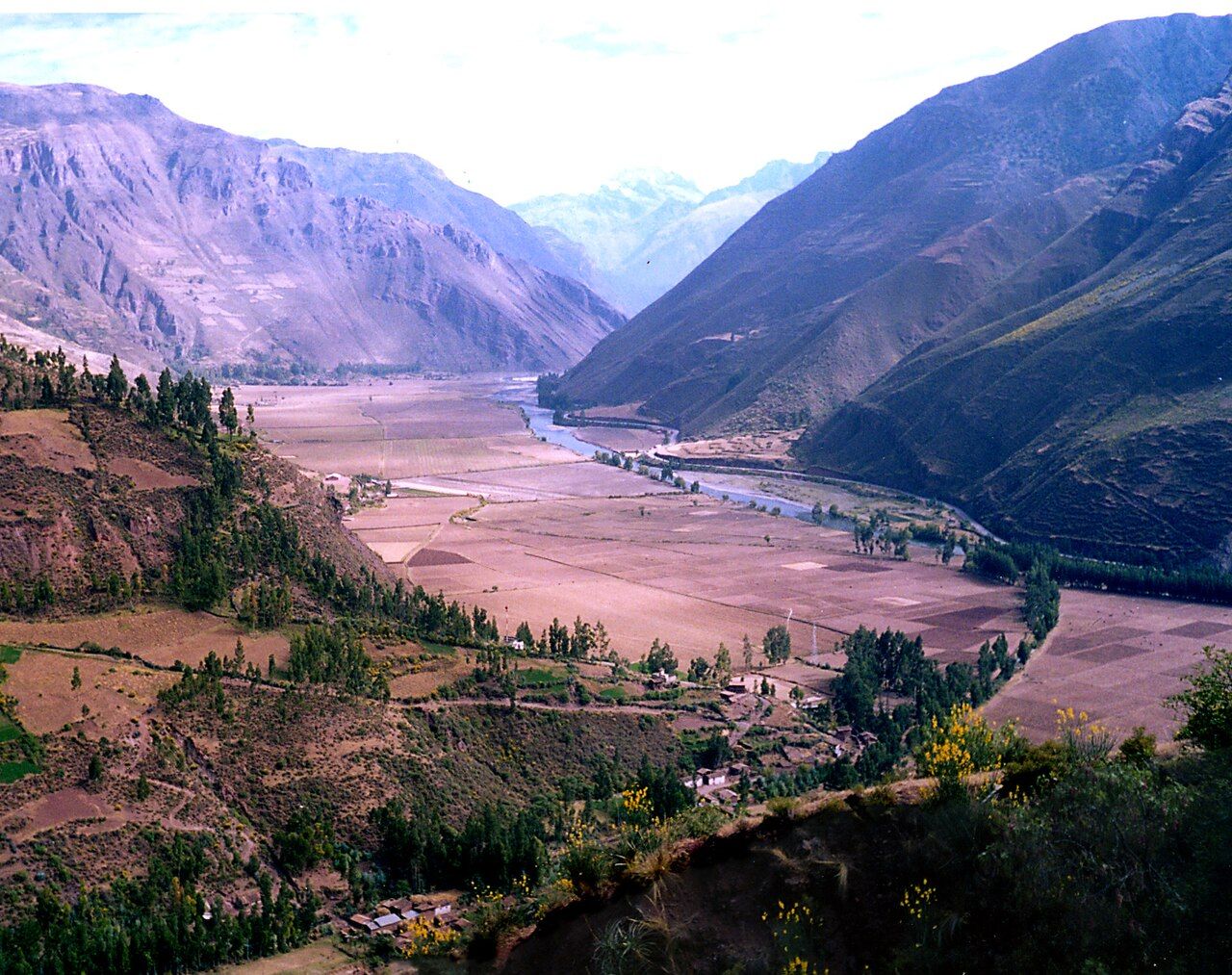
The Sacred Valley of the Incas follows the Urubamba River between agricultural terraces and living towns. Pisac, Ollantaytambo and community hosts reveal a landscape shaped by farming, stonework and knowledge still shared today.

RegionCusco Andes
Best forNature · Living culture
PaceTailor-made
PlanningAltitude & community coordination
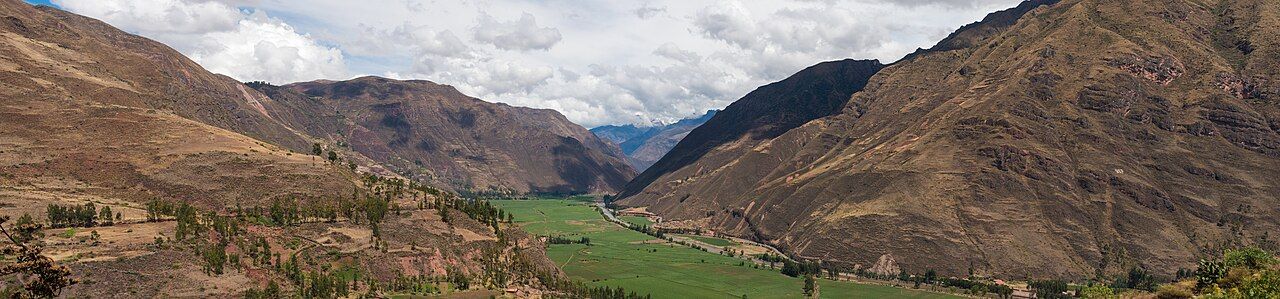
Sacred Valley · PeruNo machine-readable author provided. Xauxa assumed (based on copyright claims). · CC BY 2.5 · Wikimedia Commons
Sacred Valley · Peru
Why come here

Sacred Valley, beyond the landmarks

Curious travelersTravel advisorsPrivate journeysSmall groups
01

A valley with its own identity

The Urubamba River links fields, towns and Inca terraces in a landscape that is still worked and inhabited. Stay long enough to see the Sacred Valley as a destination, not simply a route elsewhere.

02

Knowledge beyond the monuments

Pair archaeological interpretation with food, weaving and conversations led by local hosts. Moray, Maras and Chinchero open different perspectives on how people work with land, water and materials.

03

A gentler start, thoughtfully planned

The lower valley towns can offer a gentler first base than Cusco, but acclimatization still takes time. Leave higher visits and demanding climbs until travelers have adjusted, and avoid packing distant stops into one day.

Signature experiences

Four ways into Sacred Valley

The Sacred Valley rewards close observation: terraces following a mountainside, water moving through stone channels and color emerging from a dyer’s pot. Connect Pisac and Ollantaytambo with Moray, the Maras salt pans and encounters shaped by community hosts. Leave room for the Urubamba River landscape, unhurried meals and gradual acclimatization.

Archaeology and landscapeCommunity-led encountersAndean foodTextiles and farming
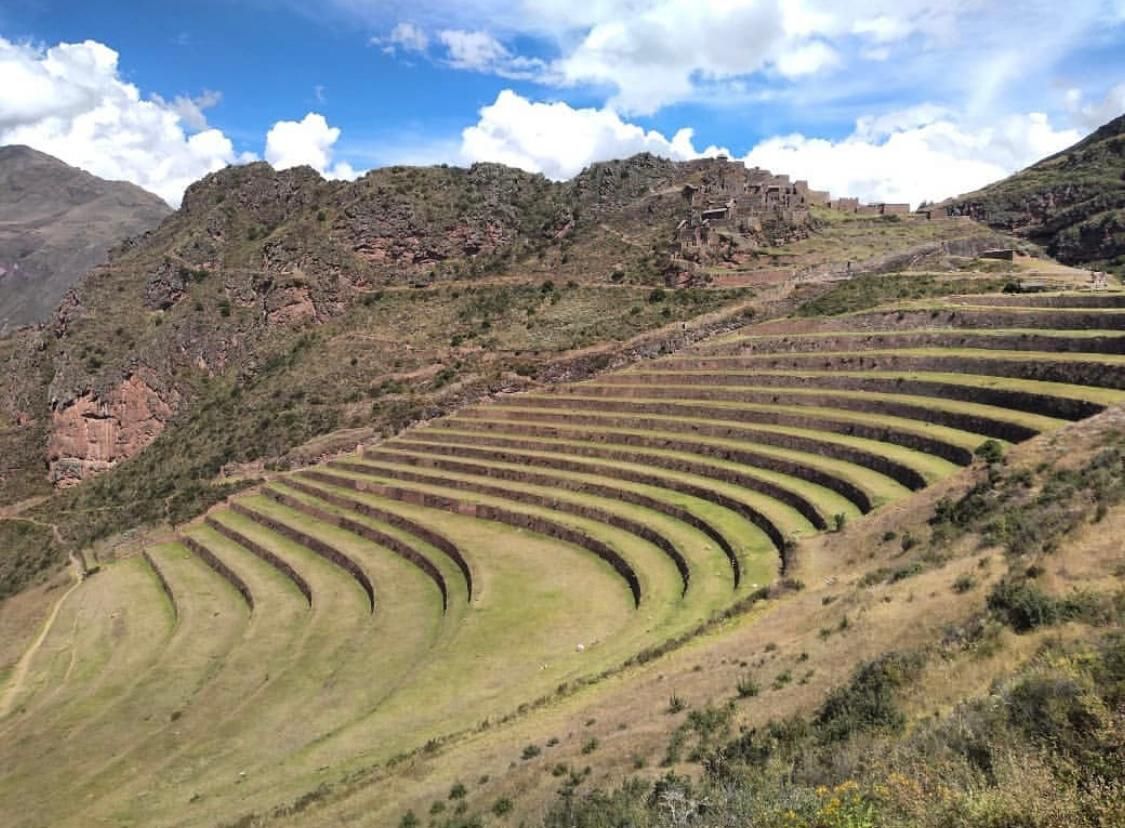
Pisac terracesErnestoTalav.Montoya · CC BY-SA 4.0 · Wikimedia Commons
01

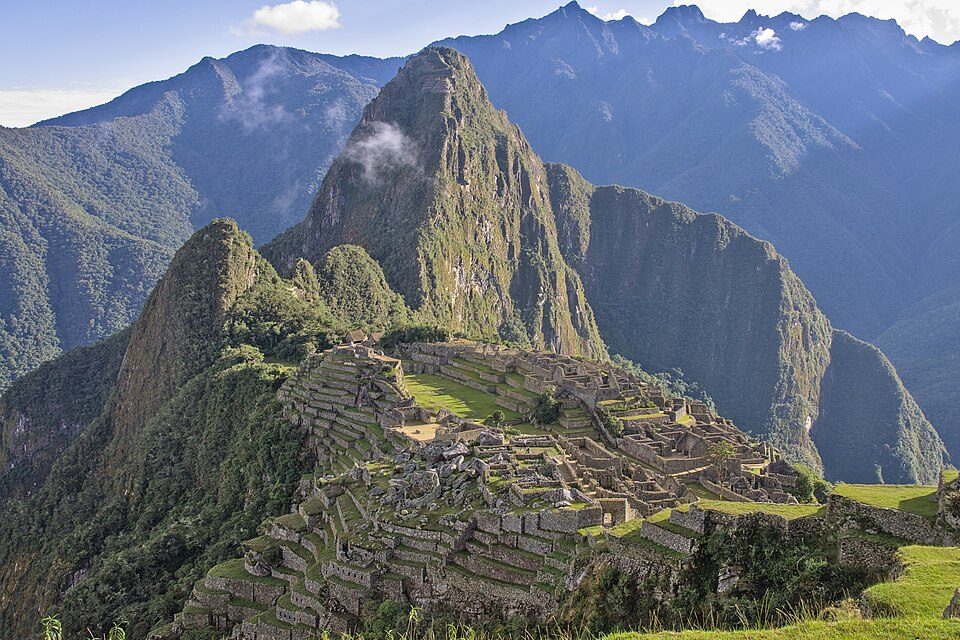
Pisac terraces

At Pisac, examine how terraces and built spaces respond to the mountain, using the landscape to discuss Andean agriculture and settlement. A specialist can separate visible evidence from interpretations of the site’s functions. Allow time for questions and observation, choosing permitted paths according to altitude tolerance and mobility while leaving archaeological features undisturbed.
Agricultural landscapesArchaeology
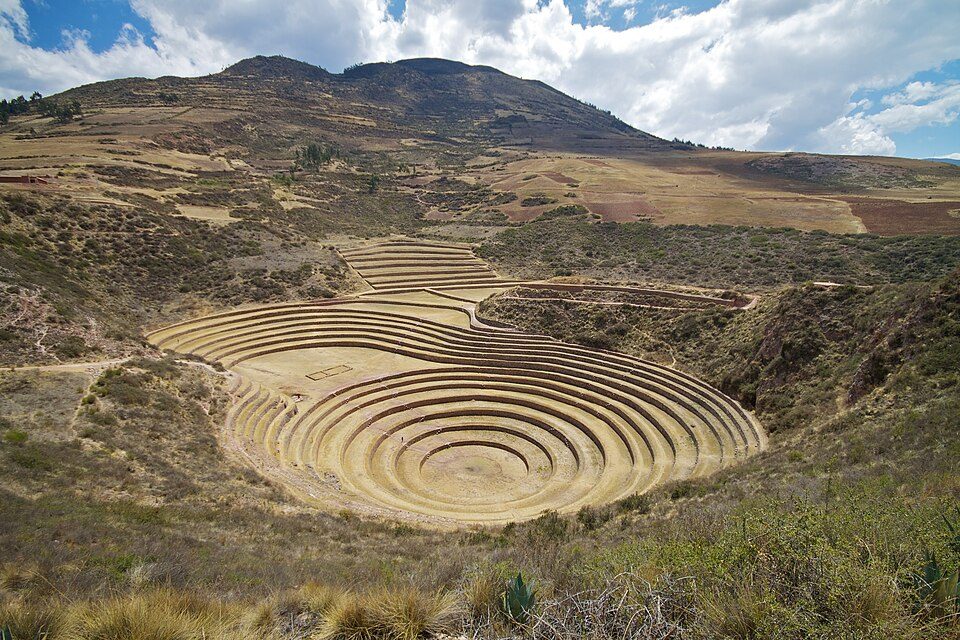
Moray and Maras through foodMcKay Savage from London, UK · CC BY · Wikimedia Commons
02

Moray and Maras through food

Consider Moray’s terraces through Andean agriculture and biodiversity, keeping their precise historical purpose open to discussion. If a farming family wishes to host, a fairly compensated visit could explore native potato varieties through conversation and tasting, subject to seasonal supplies; confirm at booking. Continue to the Maras salt pans to understand salt production from authorized visitor areas without entering working pools.

Food and farmingSalt landscape
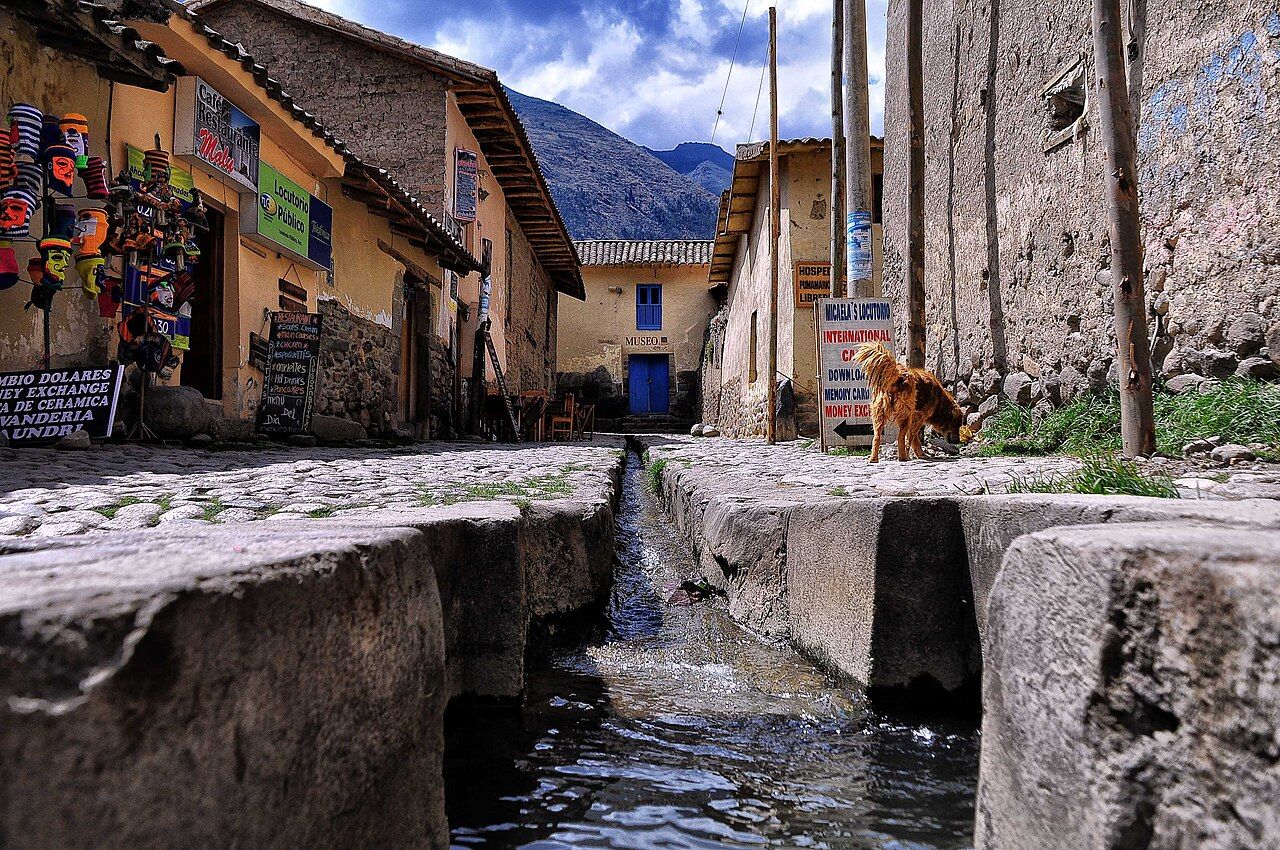
Ollantaytambo stone, water and living streetsRod Waddington from Kergunyah, Australia · CC BY-SA 2.0 · Wikimedia Commons
03

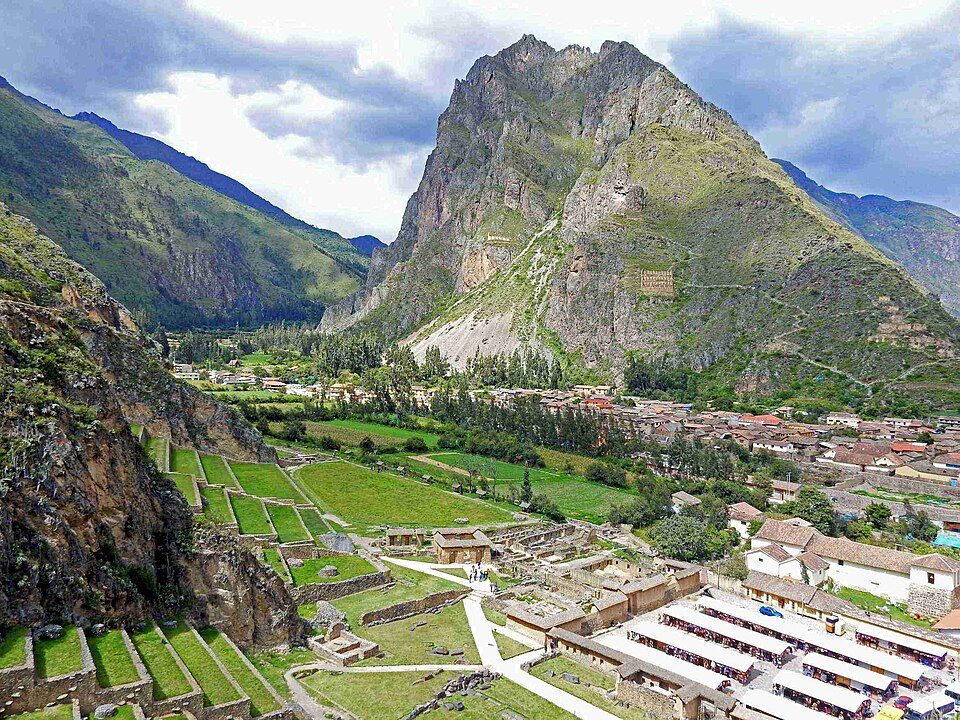
Ollantaytambo stone, water and living streets

Read Ollantaytambo through its terraces, monumental stonework and water channels, with a guide connecting the archaeological site to the town below. Looking closely at gradients and masonry makes the visit an exercise in observation. Walk public streets without treating residents’ homes as exhibits, and adjust the stepped ascent to acclimatization and mobility.

StoneworkLiving heritage
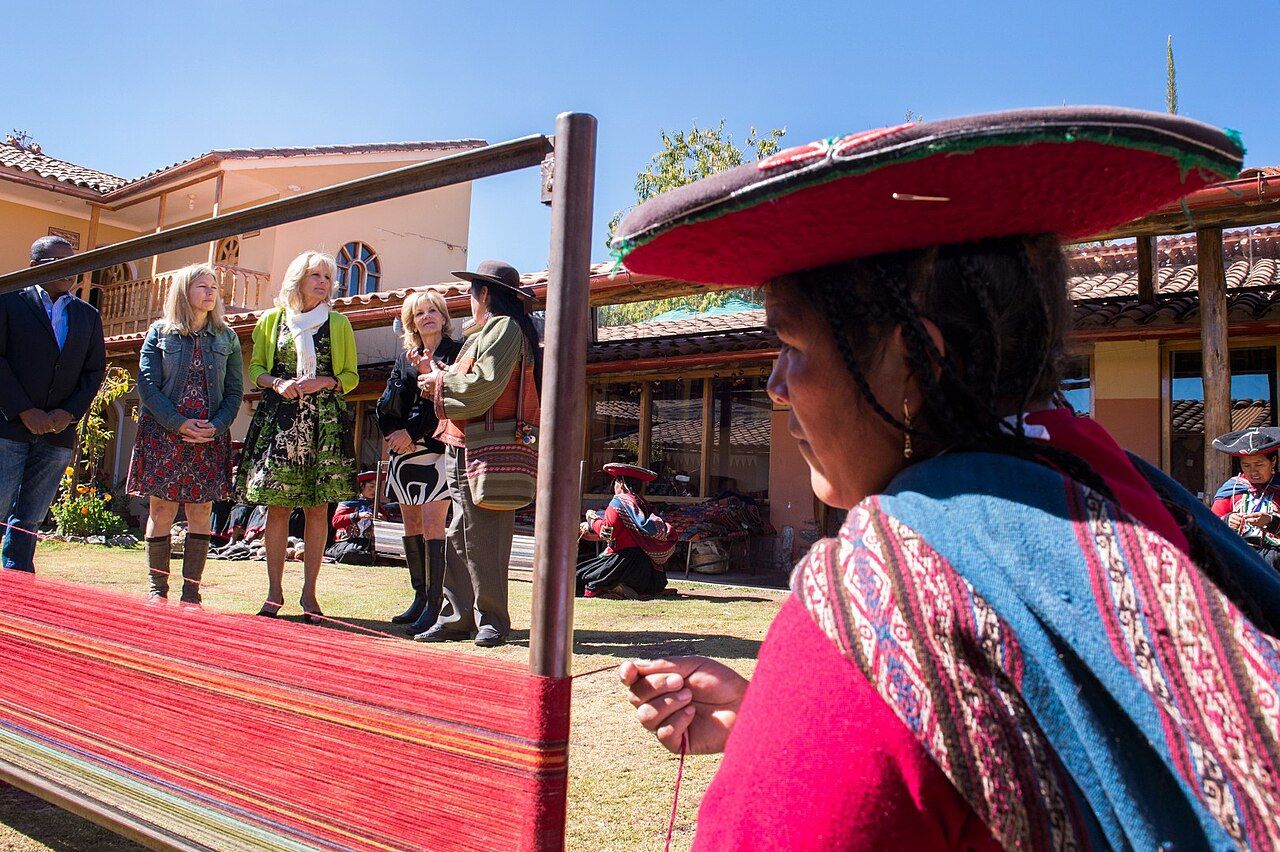
A day with the Yachaqs community hostsCreator:James Pan · Public domain · Wikimedia Commons
04

A day with the Yachaqs community hosts

A day with Yachaqs community hosts could center on natural dyes, weaving, farming or cooking, according to what they wish to share. Participate at their invitation rather than expecting demonstrations on demand. A family meal or pachamanca may round out the exchange, with activities, fair hosting fees and dietary needs agreed beforehand; confirm at booking.

Community hostsHands-on learning
Make time for Sacred Valley hosts

Community days depend on hosts’ interest, availability and agricultural calendars; meals and kitchen access require prior agreement. Allow fair hosting fees, realistic travel times and gradual altitude adjustment, especially before visiting higher sites. Ask before photographing people, and let families decide which activities and spaces they welcome visitors into. Confirm at booking which hosts, activities and meals are available.

Plan with Us

One valley. Many ways to experience it.

Shape your journeyBack to experiences
The destination through the year

When to visit Sacred Valley, how to arrive

Most journeys arrive by road from Cusco, with travel times depending on the chosen valley base, route and stops. Urubamba and Ollantaytambo sit lower than Cusco and can support a gentler start, while higher outings still need careful pacing.

Weather & rhythm
May–SeptemberDrier days, cold nightsGenerally drier conditions favor outdoor visits, with strong sun, cold nights and possible rapid weather changes.
November–MarchRain shapes the journeyWetter months bring greener fields and possible disruption to roads and walking routes. Keep the itinerary flexible and check local conditions before setting out.
Year-roundAltitude varies across the valleyPack layers, rain protection and sun protection. Higher terraces and plateau visits require more altitude awareness than a quiet day in the lower towns.
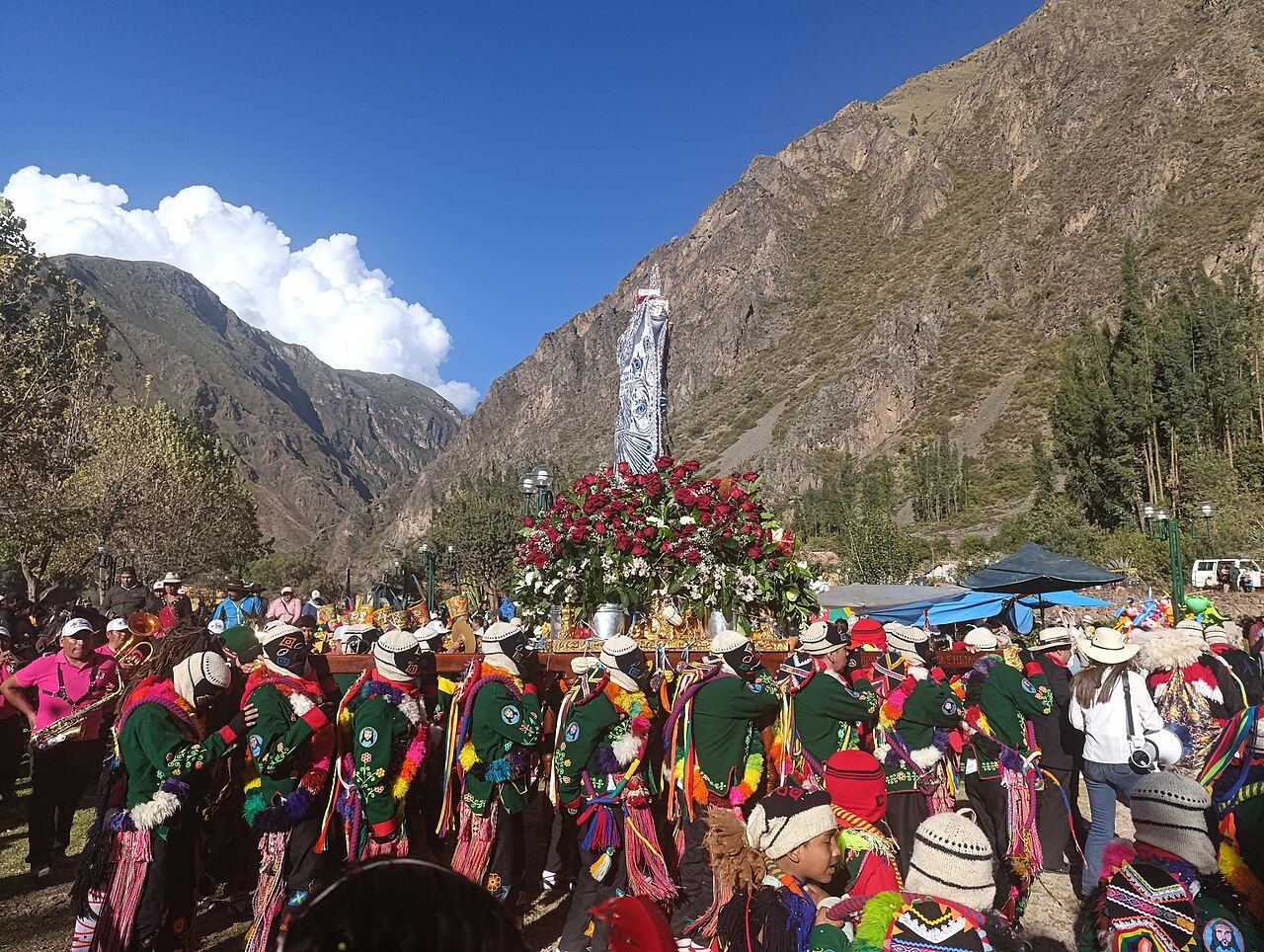
Señor de Torrechayoc in UrubambaChris Jackson · CC BY 2.0 · Wikimedia Commons
May · confirm at booking

Señor de Torrechayoc in Urubamba

Urubamba’s patronal celebration brings devotion, music and dance into the town’s public life. Confirm the local program and visitor arrangements at booking, and respect worshippers and procession routes.

Living traditions
Señor de Choquekillka in OllantaytamboOrdzonhyd Rudyard Tarco Palomino · CC BY-SA 4.0 · Wikimedia Commons
Pentecost season · confirm at booking

Señor de Choquekillka in Ollantaytambo

Ollantaytambo honors the Señor de Choquekillka with religious observances, dance and community participation. Timing follows the movable Pentecost calendar; confirm at booking and attend as a respectful guest, not as an audience expecting a private performance.

Community celebration
Planning note

Group visits by geography rather than trying to cover the whole valley in one day. Confirm at booking the required site tickets, Maras visitor access, community hosting arrangements and transport; keep higher visits flexible around acclimatization.

Plan with Us
Be Peru DMC

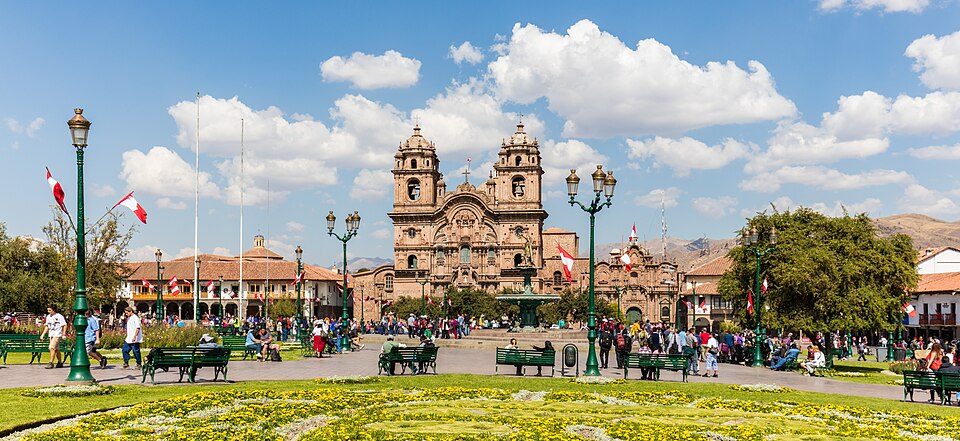
Start gently on the valley floor: Urubamba and Ollantaytambo are lower than Cusco, which can support acclimatization without removing altitude risk. Chinchero, Moray and Pisac’s archaeological site are higher than the valley floor; sequence visits accordingly and confirm access conditions at booking.

Your next program

Make room for Sacred Valley

Share your travelers’ interests, dates, group size and mobility needs. We shape a Sacred Valley program around realistic distances, local hosts and time to adjust to the altitude.

Plan with Us