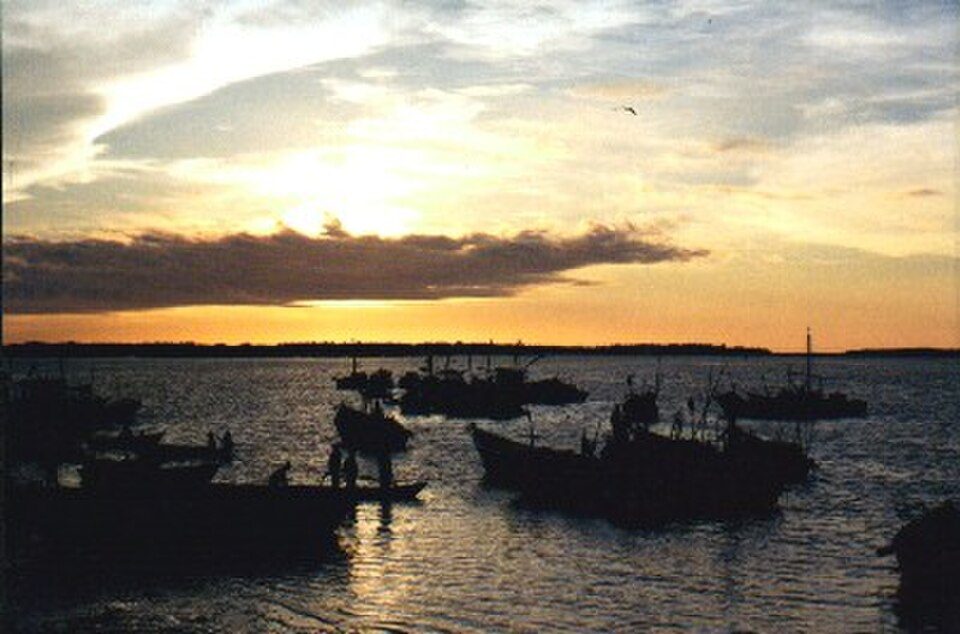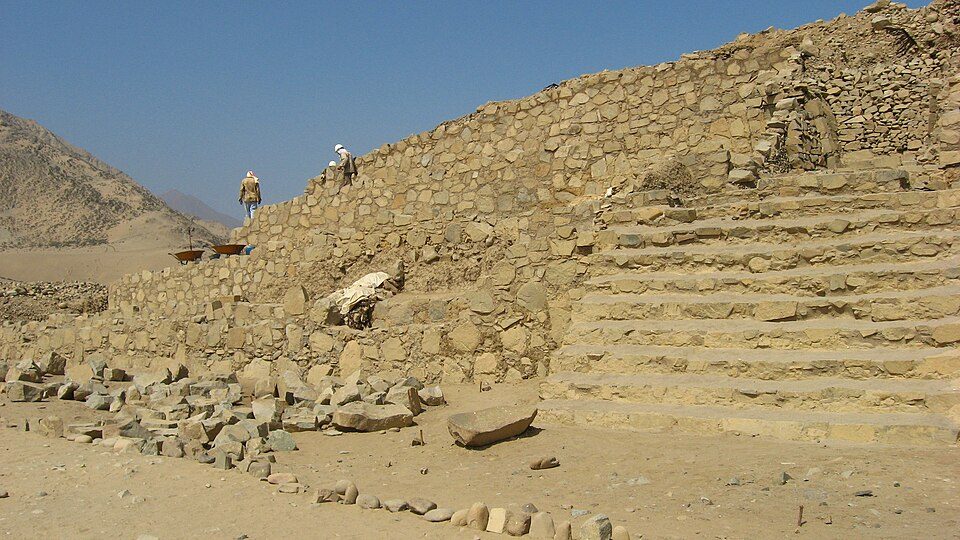
CaralJon Gudorf Photography · CC BY-SA · Wikimedia Commons
← All destinations
Be Peru · Destination Guide

CaralAn ancient beginning in a desert valley.

In the Supe Valley, Caral offers a remarkable encounter with one of the Americas’ earliest urban societies. Monumental platforms and sunken plazas make a powerful counterpoint to modern Lima.

RegionCentral
Best forNature · Culture
PaceTailor-made
PlanningAcclimatization & logistics
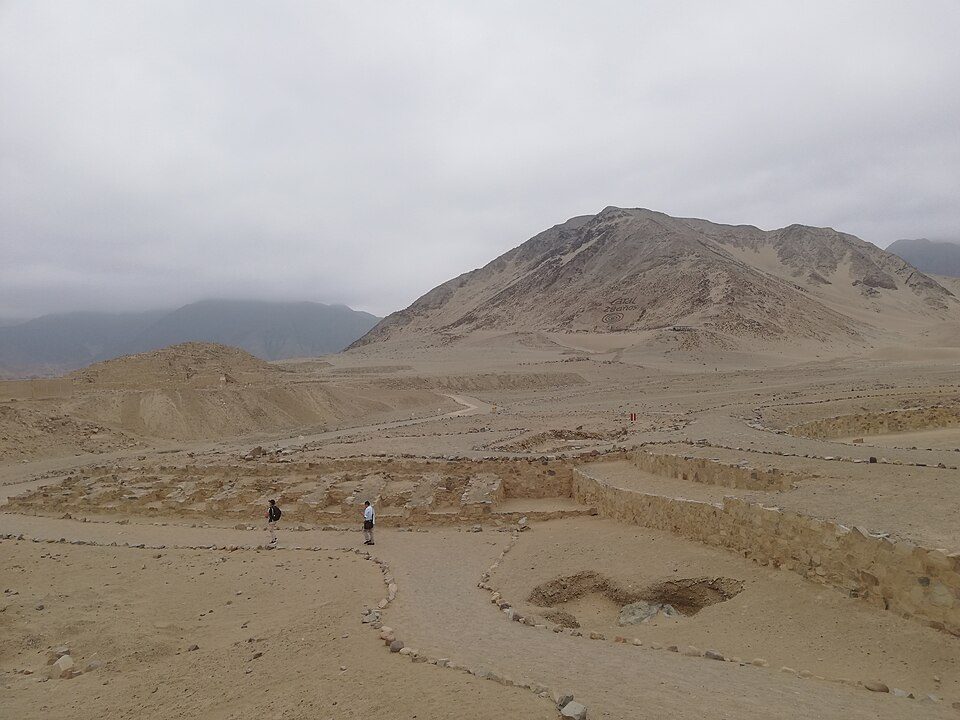
Caral · PeruHåkan Svensson Xauxa · CC BY-SA · Wikimedia Commons
Caral · Peru
Why come here

An ancient beginning in a desert valley.

Curious travelersTravel advisorsPrivate journeysSmall groups
01

A place with its own identity

In the Supe Valley, Caral offers a remarkable encounter with one of the Americas’ earliest urban societies. Monumental platforms and sunken plazas make a powerful counterpoint to modern Lima.

02

Beyond the first impression

Connect Sacred City of Caral with Main Pyramid. Allow time to understand the landscape and its history rather than rushing between stops.

03

Planning matters

Plan this as a substantial road excursion from Lima, not a quick city detour. Confirm entry and guiding requirements; shade is limited and temperatures can be high.

Signature experiences

Five ways into Caral

Caral invites a closer look at how an early urban society connected desert settlements, cultivated land and the Pacific. A thoughtfully paced visit can bring archaeological interpretation into conversation with present-day farming and fishing, with specialist guidance, willing local hosts and hands-on learning shaping a journey beyond the monuments.

Archaeology and interpretationLiving agricultureCoastal food traditionsAncient technologies
Sacred City of Caral with a SpecialistKyleThayer · CC BY-SA · Wikimedia Commons
01

Sacred City of Caral with a Specialist

Explore the Sacred City with an archaeology specialist, subject to availability, looking beyond its monumental buildings to questions of food, labor, exchange and ceremonial life. The walk would connect visible remains with the evidence used to interpret one of the Americas’ earliest urban societies, distinguishing established findings from ideas still under discussion and following authorized visitor routes.

ArchaeologySpecialist interpretation
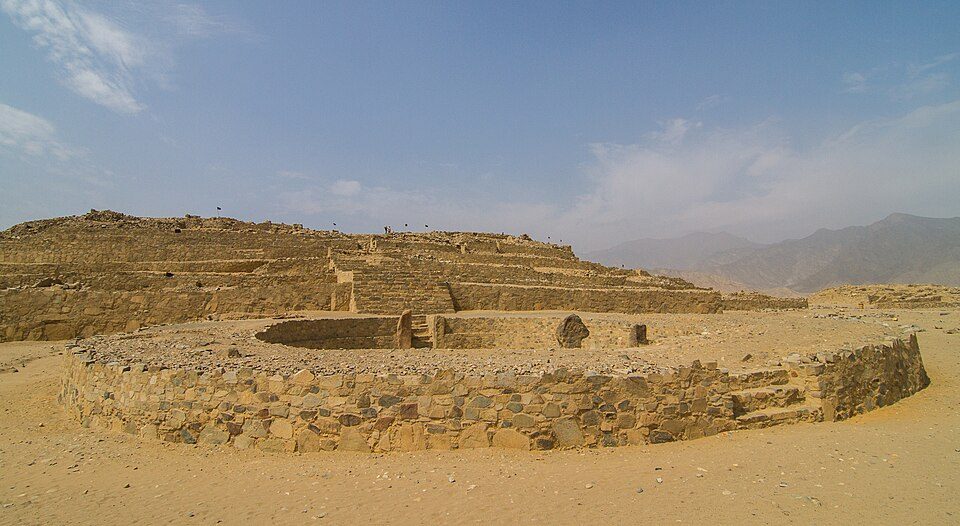
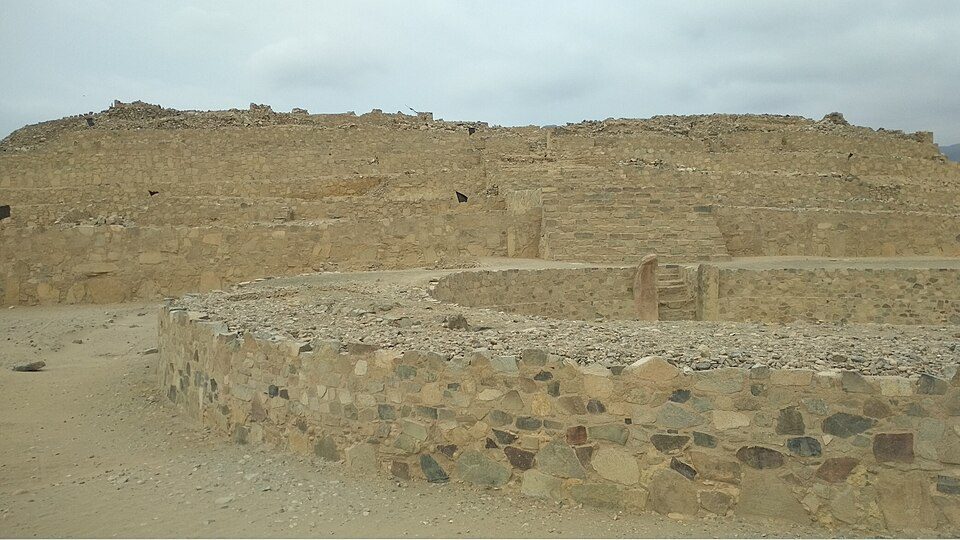
Main Pyramid: Building a CityJon Gudorf Photography · CC BY-SA · Wikimedia Commons
02

Main Pyramid: Building a City

At the Main Pyramid, focus on what monumental construction can reveal about materials, engineering and the organization of work. From permitted viewpoints, a guide can help you read architectural features and consider how archaeologists reconstruct building sequences. Questions about leadership and collective labor remain part of the discussion rather than a single, settled account.

ArchitectureAncient technology
Sunken Circular Plazas: Spaces for GatheringJohnattan Rupire · CC BY-SA · Wikimedia Commons
03

Sunken Circular Plazas: Spaces for Gathering

Consider how Caral’s sunken circular plazas shaped movement, gathering and relationships between open spaces and monumental buildings. Guided observation can explore their proposed ceremonial roles while keeping interpretations of belief and social organization open. This is an opportunity to look closely, compare forms and ask what the archaeological record can—and cannot—tell us about the people who assembled here.

Public spacesArchaeological questions
Amphitheater Complex: Music and Material EvidenceSheyla F. Crovetto · CC BY-SA · Wikimedia Commons
04

Amphitheater Complex: Music and Material Evidence

The Amphitheater complex offers a setting for discussing musical instruments documented at Caral and the evidence behind interpretations of ceremonial life. A specialist can explain how context, materials and comparison inform archaeological understanding, without recreating an imagined ritual. Viewing remains within permitted areas; any discussion of ancient sound acknowledges the limits of reconstructing past performances.

MusicMaterial culture
Supe Valley: Ancient and Living AgricultureHåkan Svensson Xauxa · CC BY-SA · Wikimedia Commons
05

Supe Valley: Ancient and Living Agriculture

Extend the archaeological visit into the Supe Valley with a possible conversation hosted by a willing farmer. Irrigation, cultivated land and everyday agricultural decisions offer a grounded way to consider food production in a desert landscape. Any field visit would follow the host’s working schedule, with seasonal crops guiding the conversation rather than a promised harvest activity.

AgricultureLocal hostsValley landscapes
06

From Caral’s Marine Resources to Barranca

A coastal extension could connect Caral’s marine resources and exchange networks with a conversation hosted by fishing families near Barranca, if available. A seafood lunch would explore contemporary coastal cooking without assuming unchanged traditions. Menus should follow legal seasons and safe sourcing, especially for shellfish; working routines and photography remain subject to hosts’ consent.

Fishing communitiesCoastal cuisine
07

Ancient Technologies: Learning through Models

With a suitable educator and venue, a hands-on interpretive session could use modern materials and replicas to explore fiber construction, architectural models and musical instruments. Simple exercises would introduce how archaeologists test ideas about everyday life and exchange networks, clearly separating experimental possibilities from established evidence and never handling original artifacts.

Hands-on learningAncient technologyArchaeological methods
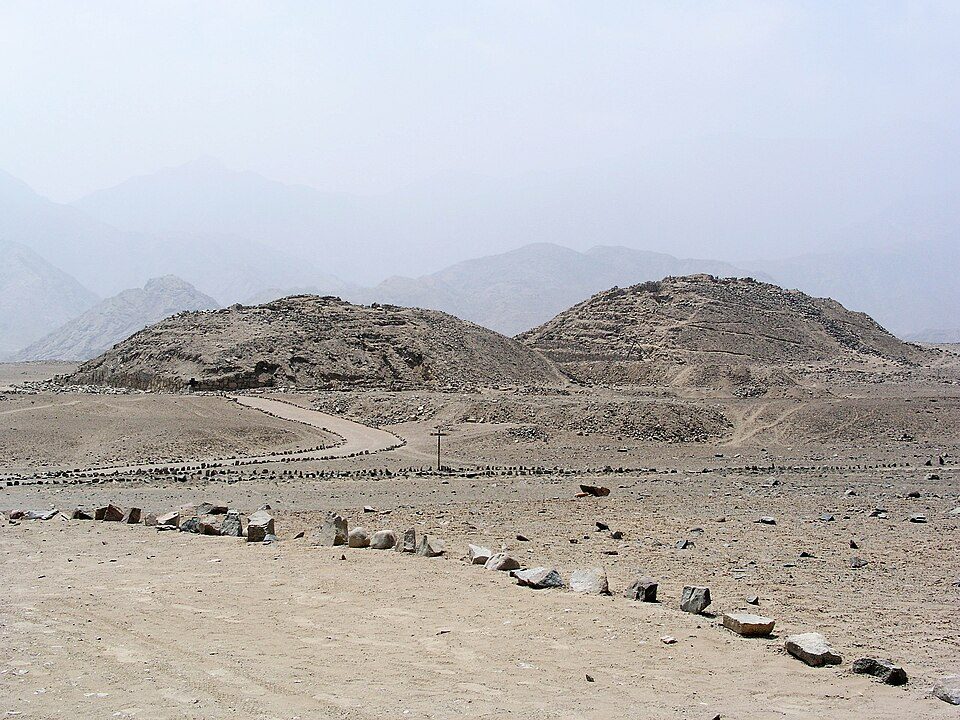
Look Closer at Caral and Its Valley

Specialists, farmer hosts, fishing families and workshop educators would need to be identified and their availability confirmed. Plans should allow for road transfers, desert heat and walking breaks. Field access, coastal encounters and photographs require consent, fair hosting arrangements and respect for working schedules; archaeological visits remain on authorized routes.

Send us a brief

One destination. Many ways to experience it.

Shape your journeyBack to experiences
The destination through the year

When to come, how to arrive

Plan this as a substantial road excursion from Lima, not a quick city detour. Confirm entry and guiding requirements; shade is limited and temperatures can be high.

Weather & rhythm
Varies along the coastThe landscape sets the paceThe northern coast is warmer; central and southern coasts can have mist and wind. Check local conditions.
Before departureCheck current conditionsPlan this as a substantial road excursion from Lima, not a quick city detour. Confirm entry and guiding requirements; shade is limited and temperatures can be high.
Year-roundTravel respectfullyAgree photography and visits with local hosts; leave room for changes in weather.
Living traditionsJon Gudorf Photography · CC BY-SA · Wikimedia Commons
Year-round

Living traditions

The story of Caral also lives in its markets, crafts and everyday places. Cultural visits are coordinated with local hosts; celebrations are not private performances.

Culture
Sacred City of CaralKyleThayer · CC BY-SA · Wikimedia Commons
Conditions dependent

Sacred City of Caral

Plan this as a substantial road excursion from Lima, not a quick city detour. Confirm entry and guiding requirements; shade is limited and temperatures can be high.

Planning
Planning note

Plan this as a substantial road excursion from Lima, not a quick city detour. Confirm entry and guiding requirements; shade is limited and temperatures can be high.

Plan with us
Be Peru DMC

Plan this as a substantial road excursion from Lima, not a quick city detour. Confirm entry and guiding requirements; shade is limited and temperatures can be high.

Your next program

Make room for Caral

Share your traveler profile, dates and group size. We shape a tailored proposal and confirm logistics before quoting.

Send us a brief