TumbesAngel Chata · CC BY-SA · Wikimedia Commons
← Back to destinations
Be Peru · Destination Guide

TumbesWhere the Pacific meets the mangroves.

Warm-water beaches and tidal forests give Peru’s far north a rhythm of its own. Combine relaxed coast time with protected mangroves and northern seafood traditions.

SettingPeru’s northern Pacific coast, bordering Ecuador
GatewayTumbes airport and road transfers along the Panamericana Norte
Travel styleBeach stays, mangrove navigation and archaeology
Planning priorityTides, road conditions and flexible excursion windows
Tumbes: tidal channels and warm Pacific shoresJavier Távara · CC BY · Wikimedia Commons
Tumbes: tidal channels and warm Pacific shores
Why Tumbes

A different side of coastal Peru

Small groups seeking slower coastal travelNature travelers comfortable with variable sightingsFood-focused journeys through northern PeruPrivate departures combining culture and beach time
01

Two coastal worlds

Open beaches and sheltered mangrove channels create contrasting days without needing a packed activity schedule. Allow transfer time rather than treating the entire coast as one resort area.

02

Food rooted in place

Northern seafood traditions connect meals with fishing communities. Choose responsible suppliers, respect shellfish closures and offer alternatives for dietary restrictions instead of assuming every guest eats seafood.

03

Space for thoughtful hosting

Small departures suit local boats and community encounters. Agree capacity, language support, compensation and photography expectations in advance; hospitality should never interrupt livelihoods or turn daily work into a performance.

Five real experiences

From tidal forests to ancient foundations

Tumbes brings together tidal mangroves, fishing communities, Pacific beaches and tropical dry forest. Thoughtfully arranged visits can connect these landscapes through local knowledge: conversations about shellfish gathering, cooking with responsibly sourced seafood, and conservation walks. Archaeological interpretation at Cabeza de Vaca adds another dimension, with time for coastal rest between outings.

Mangroves and livelihoodsNorthern coastal cookingMarine wildlifeDry forest conservationInca heritage
Manglares de Tumbes: Reading the EstuaryJavier Távara · CC BY · Wikimedia Commons
01

Manglares de Tumbes: Reading the Estuary

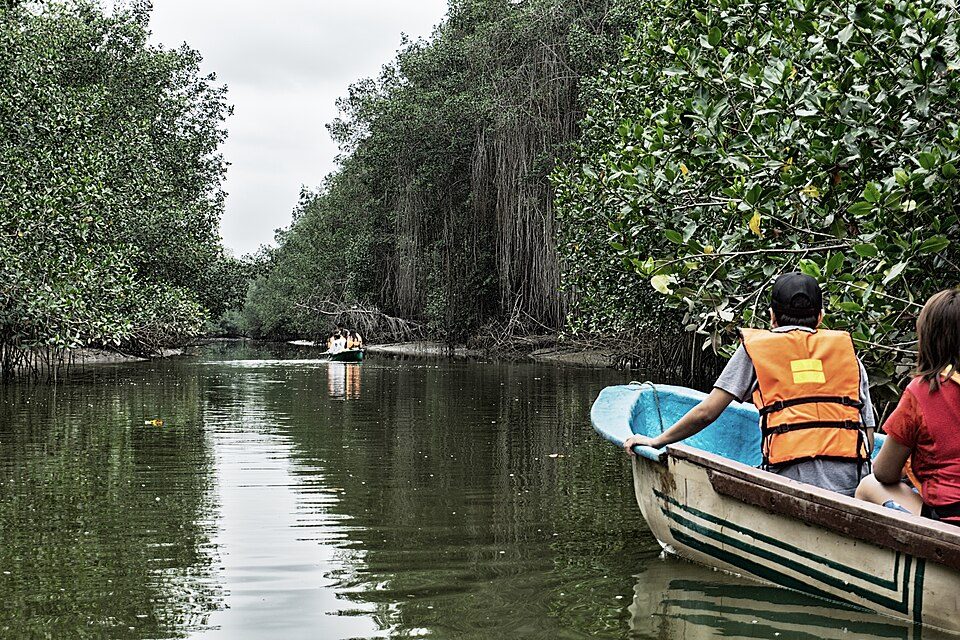
Explore the protected mangrove channels with an authorized local operator, seeking interpretation of tidal ecology, artisanal livelihoods and conservation. Access is commonly arranged through Puerto 25 near Zarumilla, distinct from Puerto Pizarro’s bay. Where a willing local shellfish gatherer is available, their perspective can explain concha negra harvesting without making extraction or wildlife encounters part of the promise.

Mangrove ecologyLocal knowledgeProtected nature
Puerto Pizarro with Its Fishing CommunityAngel Chata · CC BY-SA · Wikimedia Commons
02

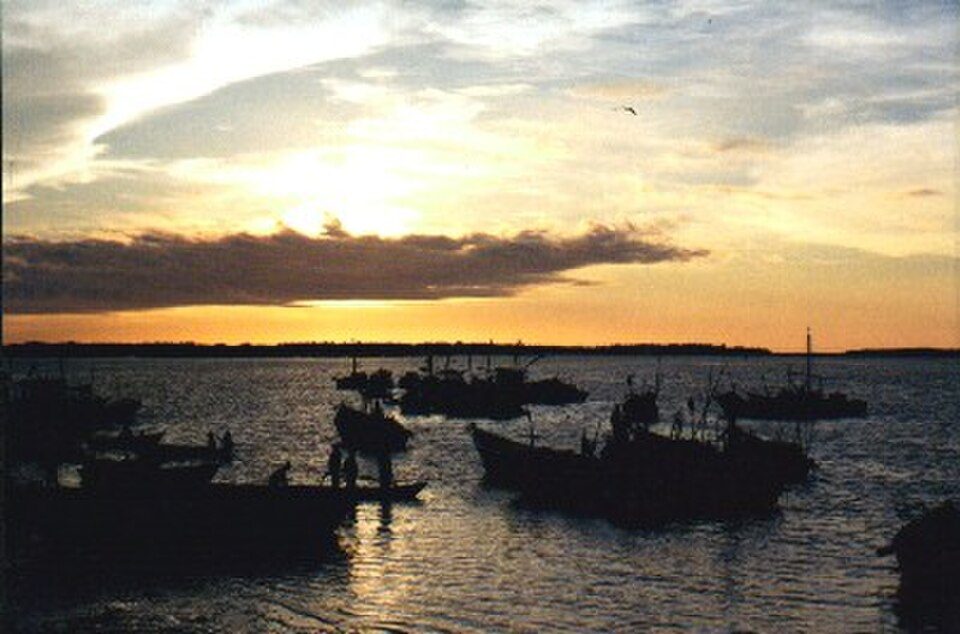
Puerto Pizarro with Its Fishing Community

In Puerto Pizarro, a tailor-made bay outing could be hosted by a willing local fisherman or shellfish-gathering family. Conversations about working tides, fishing methods and mangrove stewardship give context to the channels and islands. The route remains separate from the national sanctuary; participation should fit hosts’ working lives, with safe boats, agreed landings and no staged demonstrations.

Fishing livelihoodsMangrove stewardshipLocal hosts
Punta Sal: Beach Time and Pacific WildlifeWikimedia Commons contributor · CC BY-SA · Wikimedia Commons
03

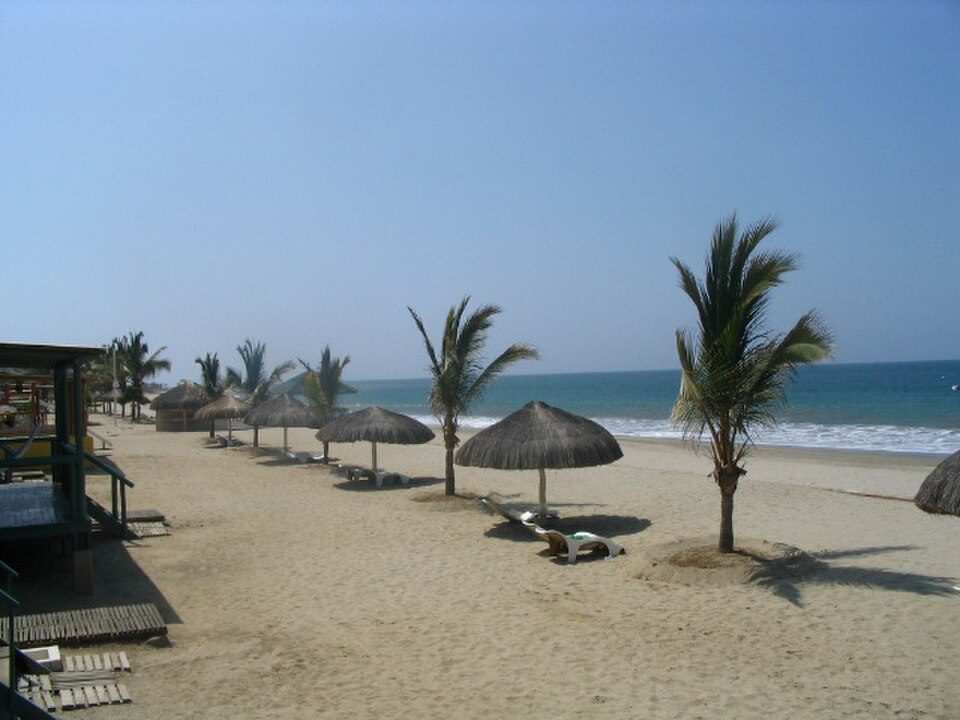
Punta Sal: Beach Time and Pacific Wildlife

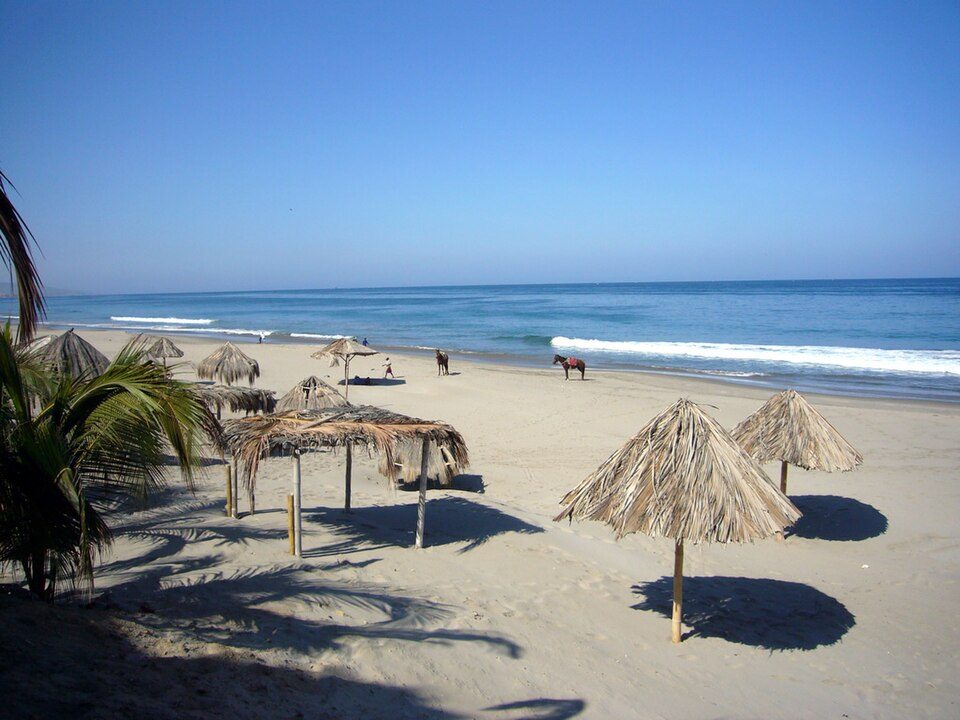
Keep Punta Sal’s beach at the heart of a relaxed coastal stay, with an optional small-boat outing if suitable local fishermen and safe operating arrangements are available. Their knowledge can frame a search for dolphins, sea turtles and, seasonally, humpback whales. Departure points require confirmation; sea conditions govern outings, sightings are uncertain, and wildlife must never be chased.

Coastal restMarine wildlifeFishing knowledge
Zorritos: From Seafood Market to TableDIOHER_PAVAL · CC BY · Wikimedia Commons
04

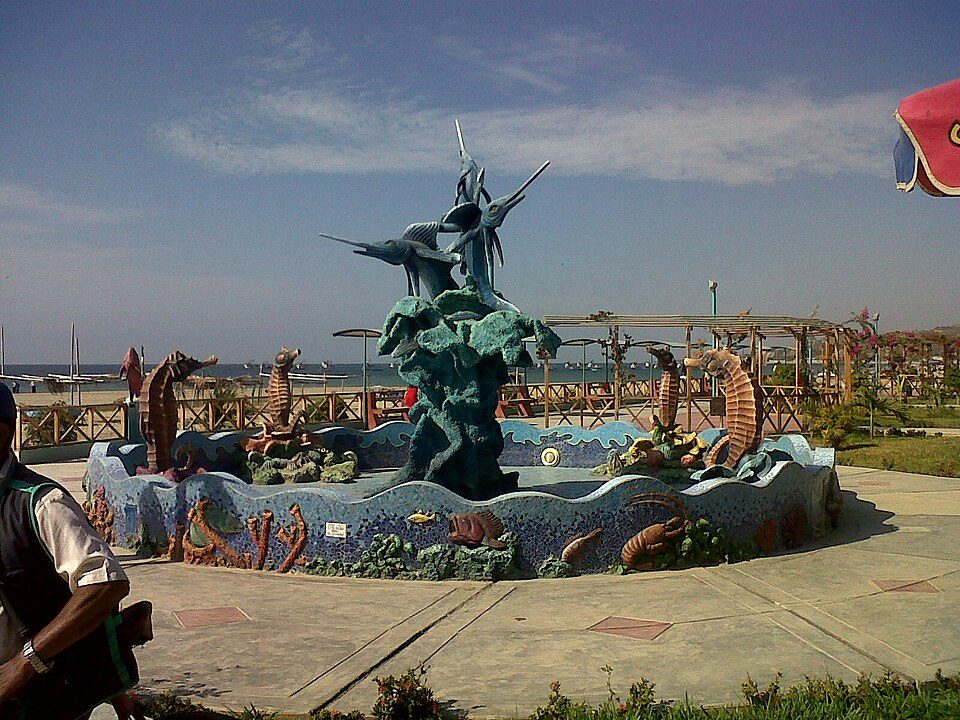
Zorritos: From Seafood Market to Table

Explore Zorritos through its shoreline and northern cooking, with a market visit and shared preparation only if a local cook welcomes participation. Discuss how conchas negras, crab and fish reach the table, then prepare a seafood lunch where kitchen access allows. Shellfish choices must respect legal seasons and safe sourcing; market visits should avoid protected wildlife trade.

Northern cookingResponsible sourcingLocal cooks
Cabeza de Vaca: Interpreting the Inca CoastQhapaq Ñan Perú · CC BY-SA · Wikimedia Commons
05

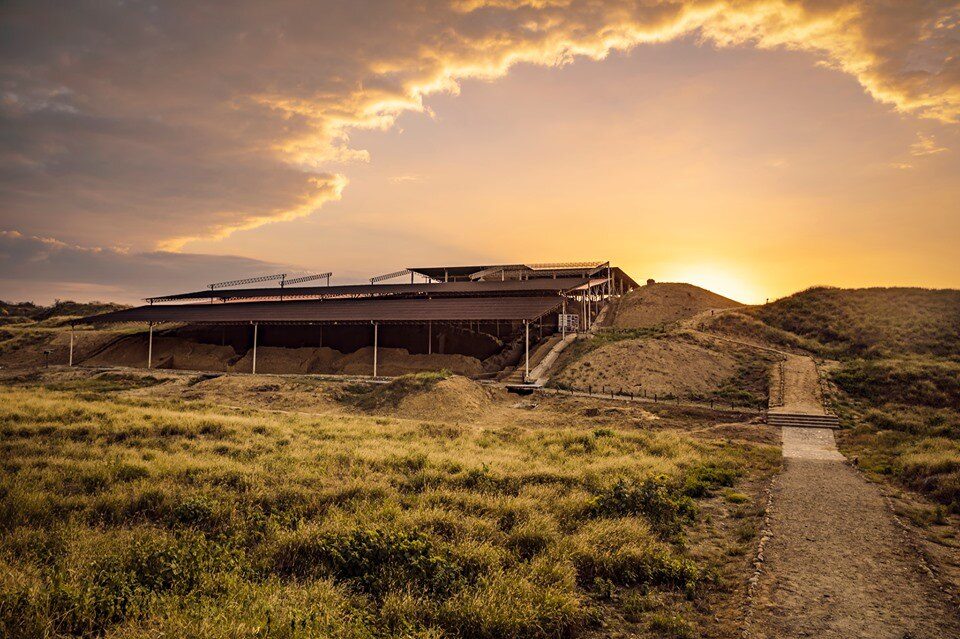
Cabeza de Vaca: Interpreting the Inca Coast

At Cabeza de Vaca in Corrales, seek specialist interpretation of the adobe remains and their place in an Inca administrative and ceremonial center linked to the Qhapaq Ñan. Questions about coastal connections can deepen the visit without presenting uncertain reconstructions as fact. Current access and guide availability need confirmation; cooler visiting hours, drinking water and sun protection matter.

Inca heritageArchaeological interpretationCorrales
06

Cerros de Amotape with a Conservation Guide

A guided walk in Cerros de Amotape can reveal tropical dry forest through its plants, wildlife signs and conservation pressures. Choose a permitted route suited to heat and walking ability, with sightings left to chance. A simple local lunch could follow if a willing host and practical arrangements are available.

Dry forestConservationLocal hosting
Spend More Time with Coastal Tumbes

These possibilities depend on willing hosts, fair compensation and their fishing or cooking schedules. Sanctuary rules, tides, road transfers and sea conditions shape routes; forest walks need suitable access and heat planning. Kitchen participation requires permission, shellfish menus follow legal seasons and safe supply, and boat outings must maintain respectful wildlife distances.

Design your northern coast extension

Your group, your pace: a Tumbes program built around real operating conditions.

Start bespoke planningReturn to destinations
Seasons and local rhythms

Warm year-round, never identical

Tumbes has a tropical coastal climate. Seasonal patterns help with planning, but forecasts and local reports matter more than fixed assumptions.

Weather and seasonality
December–AprilHotter and wetterSummer brings greater heat, humidity and rain risk, especially during the first months of the year. Heavy downpours can disrupt unpaved access and road travel.
May–NovemberGenerally drierConditions are usually drier and somewhat less hot, with warm daytime temperatures. Cloud, breezes and sea conditions still vary; sun protection remains essential.
El Niño episodesPlan for disruptionEl Niño can bring unusually heavy rain and warmer seas. Check official alerts, road status and operator assessments before confirming excursions or long coastal transfers.
Tumbes anniversary traditionsAngel Chata · CC BY-SA · Wikimedia Commons
November

Tumbes anniversary traditions

The city’s anniversary commemorations commonly include civic ceremonies and cultural activities. Check the current municipal program before incorporating an event, and protect access for residents rather than designing visits around assumed performances.

Civic heritage · Local calendar
Seasonal humpback migrationAngel Chata · CC BY-SA · Wikimedia Commons
Austral winter and spring

Seasonal humpback migration

Humpback whales move through northern Peruvian waters seasonally. Punta Sal-area departures depend on current operations and sea conditions. Use responsible operators who follow applicable viewing rules; neither departure nor a sighting should be promised.

Marine season · Responsible viewing
Operational essentials

Coordinate sanctuary visits with tides and authorized local boat operators. Rain and El Niño conditions can affect roads and excursions; marine wildlife is never guaranteed. For B2B groups, reconfirm flight schedules, luggage capacity, boat allocations, life jackets, guide ratios and cancellation terms. Build transfer buffers, identify toilet stops and agree a land-based alternative before departure.

Check seasonal opportunities
Planning insight

Choose the overnight base before fixing daily excursions. Staying near Punta Sal favors beach time; a northern base reduces travel for Puerto Pizarro and sanctuary access.

Bespoke Peru programs

Make room for Tumbes

Share your group profile, travel window and priorities. We can shape a realistic coastal extension with considerate local hosting and clear operational contingencies.

Send us your idea