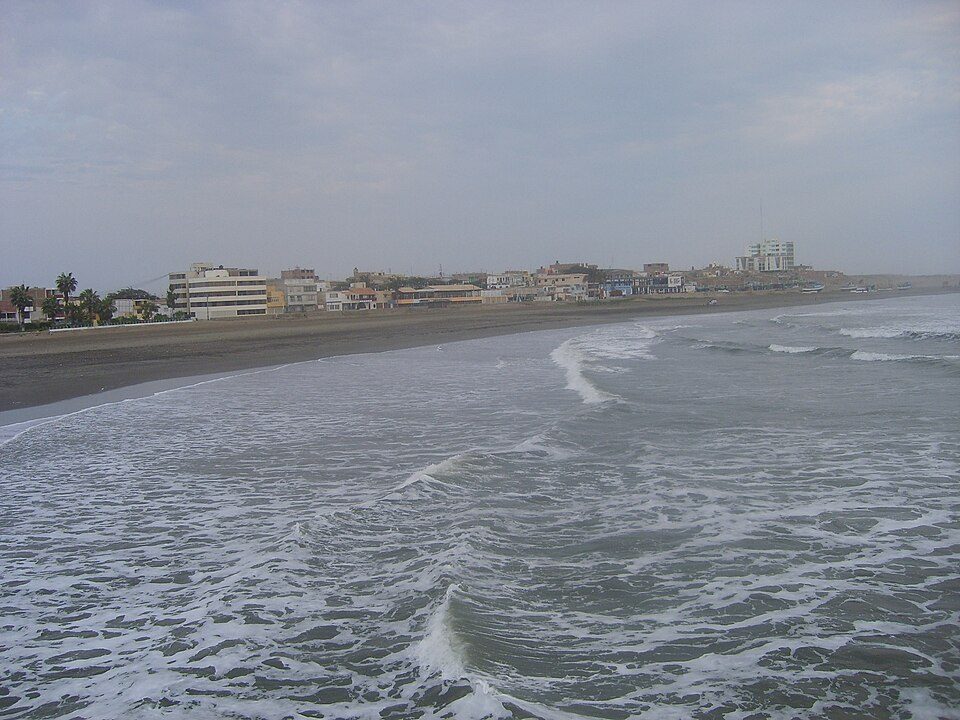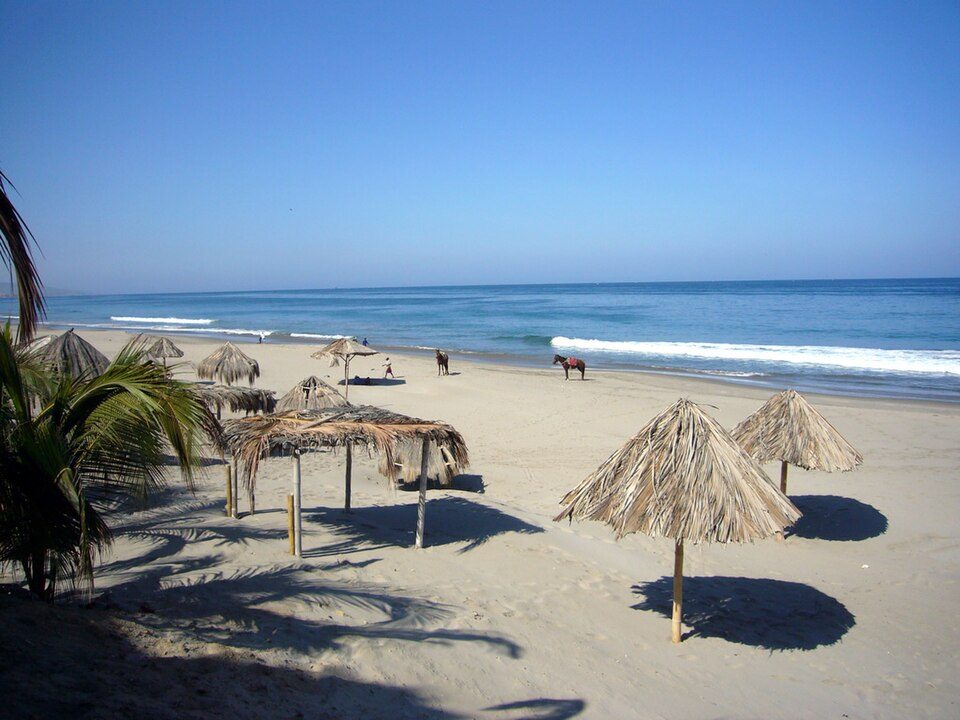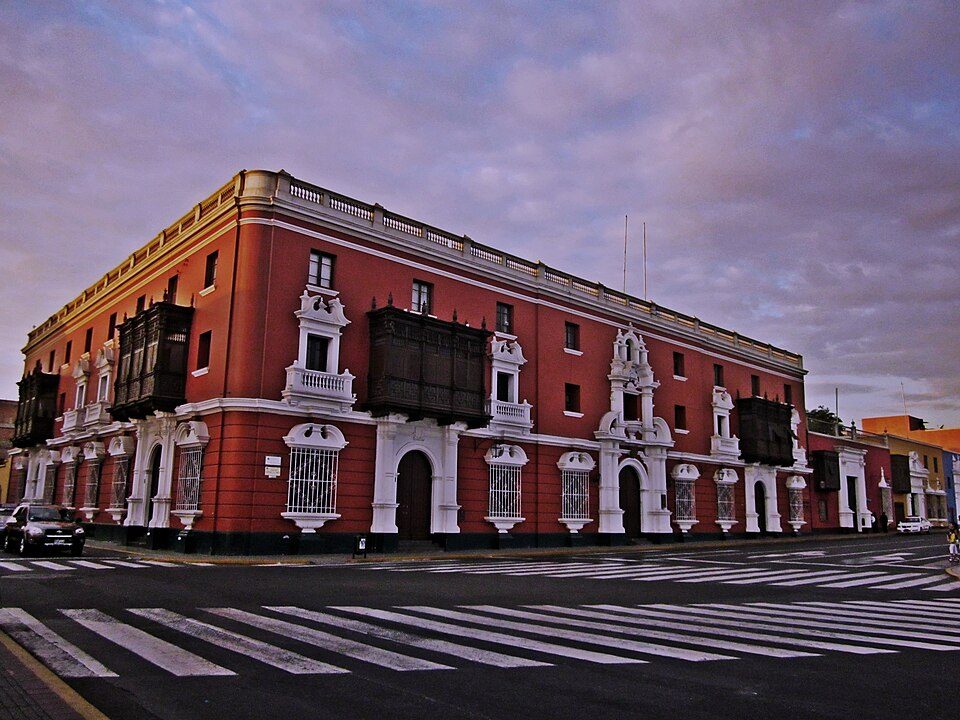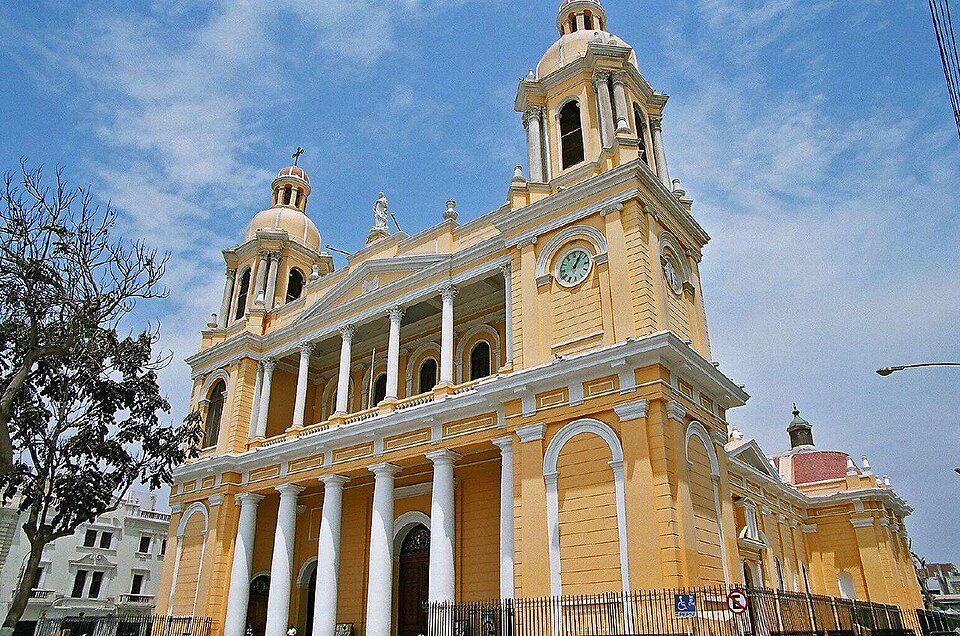
Lambayeque / ChiclayoBruno Girin · CC BY-SA · Wikimedia Commons
← All destinations
Be Peru · Destination Guide

Lambayeque / ChiclayoRoyal tombs, living traditions.

The Moche and Sicán worlds come into focus around Chiclayo: extraordinary museum collections, adobe pyramids and a coastline where reed boats still carry a living tradition.

RegionNorth
Best forNature · Culture
PaceTailor-made
PlanningAcclimatization & logistics
Lambayeque / Chiclayo · PeruAdrian Hernandez · CC BY-SA · Wikimedia Commons
Lambayeque / Chiclayo · Peru
Why come here

Royal tombs, living traditions.

Curious travelersTravel advisorsPrivate journeysSmall groups
01

A place with its own identity

The Moche and Sicán worlds come into focus around Chiclayo: extraordinary museum collections, adobe pyramids and a coastline where reed boats still carry a living tradition.

02

Beyond the first impression

Connect Royal Tombs of Sipán Museum with Huaca Rajada. Allow time to understand the landscape and its history rather than rushing between stops.

03

Planning matters

Confirm museum opening days and archaeological access before routing. Exposed sites require sun protection; preservation work can change visitor areas.

Signature experiences

Five ways into Lambayeque / Chiclayo

Around Chiclayo, Moche tombs, Lambayeque pyramids and dry forests reveal different sides of Peru’s northern coast. Thoughtfully paced visits can connect archaeological interpretation with community knowledge, regional cooking and conservation, making room for questions and participation wherever local hosts welcome it, rather than treating living traditions as performances.

Archaeology in contextCommunity and cookingNorthern coastal lifeDry-forest conservation
Royal Tombs of Sipán: Reading the BurialBernard Gagnon · CC BY-SA · Wikimedia Commons
01

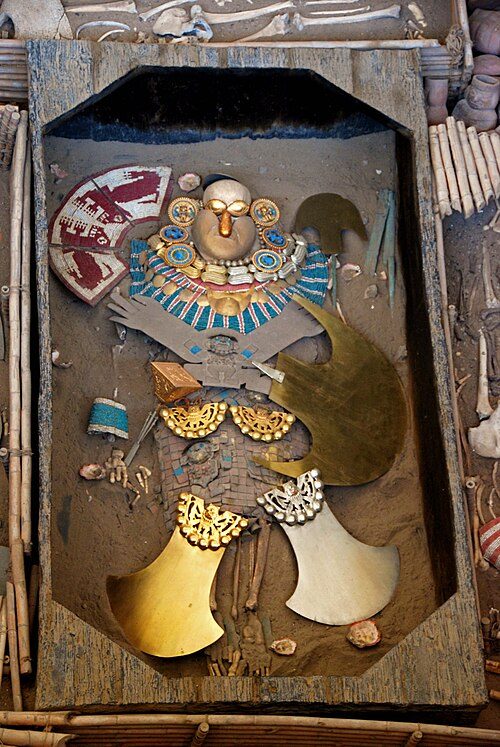
Royal Tombs of Sipán: Reading the Burial

At the Royal Tombs of Sipán Museum in Lambayeque, an archaeology-focused guide can help you read ornaments, ceremonial objects and burial arrangements as evidence of Moche society. Explore how excavators reconstructed the burial and what remains open to interpretation. A coordinated visit to Huaca Rajada connects the displayed discoveries with their original setting.
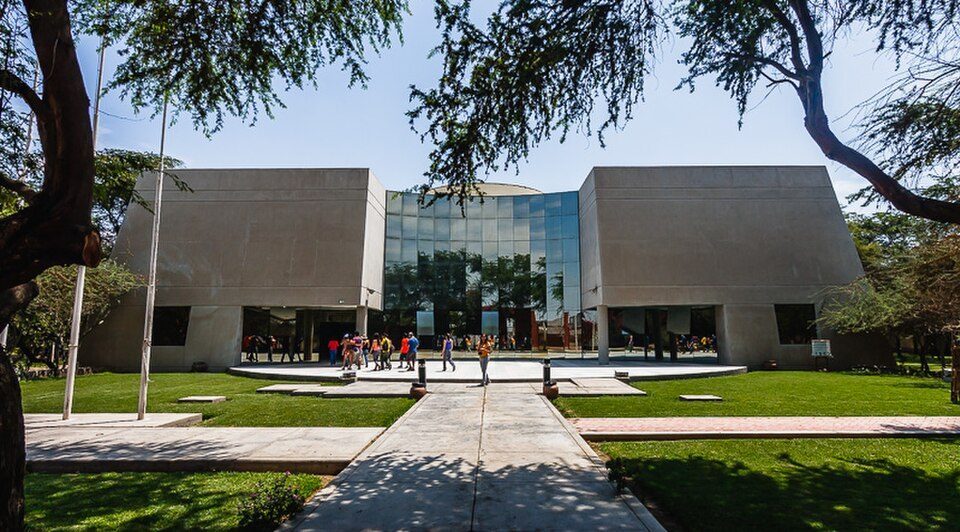
Moche archaeologySpecialist interpretation
Huaca Rajada: Where Sipán’s Story EmergedAdrian Hernandez · CC BY-SA · Wikimedia Commons
02

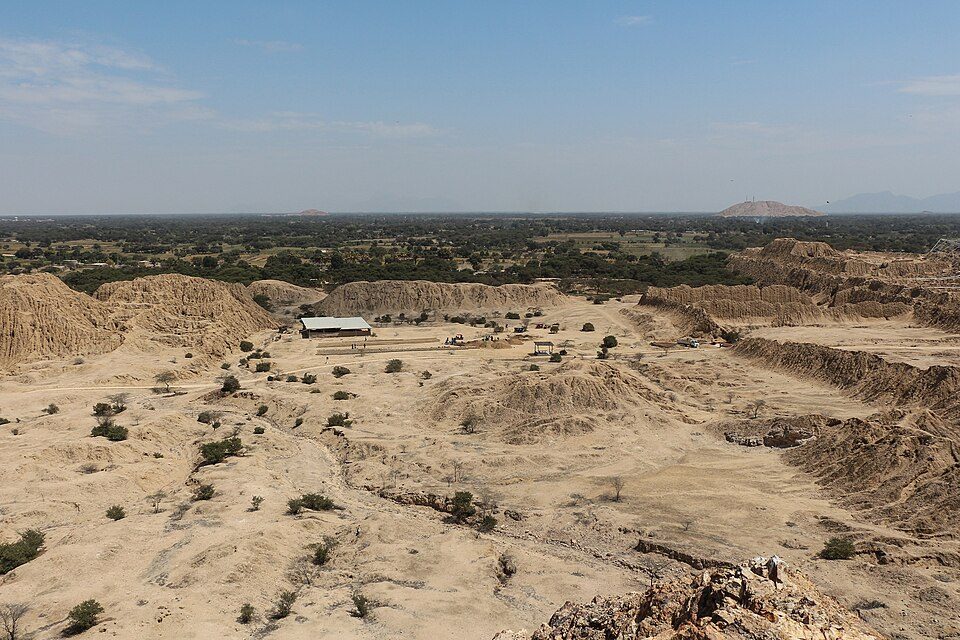
Huaca Rajada: Where Sipán’s Story Emerged

Walk the permitted visitor route at Huaca Rajada with attention to the architecture and archaeological context behind the Sipán discoveries. An archaeology-focused guide can explain excavation methods, burial relationships and the evidence used to interpret Moche authority and beliefs. The emphasis is on how knowledge is built, without assuming access to active excavations or restricted areas.

Archaeological landscapeMoche history
Túcume with Local VoicesBernard Gagnon · CC BY-SA · Wikimedia Commons
03

Túcume with Local Voices

Explore Túcume’s Valley of the Pyramids with a local interpreter, where available, considering both its archaeological past and the community’s role in caring for the landscape. Depending on permitted routes and host interest, continue among surrounding carob trees and share a family-prepared Lambayeque meal, with time to discuss ingredients and everyday cooking on the hosts’ terms.

Local interpretationFamily cookingCarob landscape
Sicán National Museum: Craft and SocietyEnrique Jara · CC BY-SA · Wikimedia Commons
04

Sicán National Museum: Craft and Society

At the Sicán National Museum in Ferreñafe, examine how metalworking, funerary objects and archaeological research illuminate Lambayeque society. A specialist-led reading of the displays can draw attention to materials, techniques and the people whose labor shaped these objects. Distinguishing Sicán from Moche traditions adds depth to the region’s story without collapsing different cultures into one.

Sicán cultureCraftsmanshipArchaeology
Pimentel: Fishing Heritage and Coastal FlavorsJan Pešula (Sapfan) · Public domain · Wikimedia Commons
05

Pimentel: Fishing Heritage and Coastal Flavors

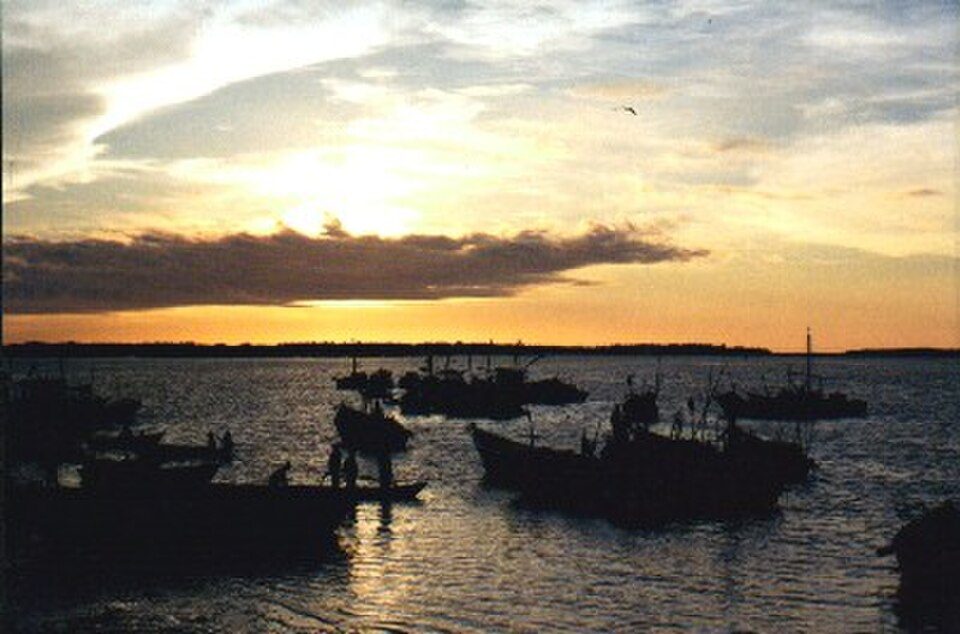
Pimentel offers a coastal counterpoint to the inland museums and pyramids. Walk the waterfront and learn about caballitos de totora, the reed craft associated with northern fishing traditions. If fishers are present and willing to talk, listen without interrupting their work. A seafood stop can explore coastal cooking through safely sourced ingredients, respecting any applicable shellfish closures.

Fishing heritageCoastal cooking
06

Chiclayo from Market to Kitchen

Follow regional ingredients through Mercado Modelo and selected small eateries, with possible tastes of chinguirito, arroz con pato, seco de cabrito, ceviche and seasonal sweets. Food stops depend on safe sourcing and preparation; avoid protected wildlife products. Where a willing cook and suitable kitchen are available, finish with a short hands-on session.

Market flavorsHands-on cooking
07

Chaparrí: Conservation with Its Custodians

Discover Chaparrí’s dry forest through the work of the people protecting it. Subject to access and local guide availability, a conservation-centered walk can explore habitat pressures, native species and community stewardship. Wildlife encounters remain unpredictable; keep a respectful distance and let conservation priorities, rather than a sightings checklist, shape the day.

Dry forestCommunity conservationWildlife
Discover Lambayeque with Its Hosts

Local interpreters, family meals and kitchen sessions depend on willing hosts, fairly agreed compensation and suitable spaces. Museum schedules, Chaparrí access and authorized walking routes shape the itinerary, with heat-conscious pacing and road transfers considered. Ask before photographing people; neither fishing work nor community life should be staged for a visit.

Send us a brief

One destination. Many ways to experience it.

Shape your journeyBack to experiences
The destination through the year

When to come, how to arrive

Confirm museum opening days and archaeological access before routing. Exposed sites require sun protection; preservation work can change visitor areas.

Weather & rhythm
Varies along the coastThe landscape sets the paceThe northern coast is warmer; central and southern coasts can have mist and wind. Check local conditions.
Before departureCheck current conditionsConfirm museum opening days and archaeological access before routing. Exposed sites require sun protection; preservation work can change visitor areas.
Year-roundTravel respectfullyAgree photography and visits with local hosts; leave room for changes in weather.
Living traditionsAdrian Hernandez · CC BY-SA · Wikimedia Commons
Year-round

Living traditions

The story of Lambayeque / Chiclayo also lives in its markets, crafts and everyday places. Cultural visits are coordinated with local hosts; celebrations are not private performances.

Culture
Royal Tombs of Sipán MuseumBernard Gagnon · CC BY-SA · Wikimedia Commons
Conditions dependent

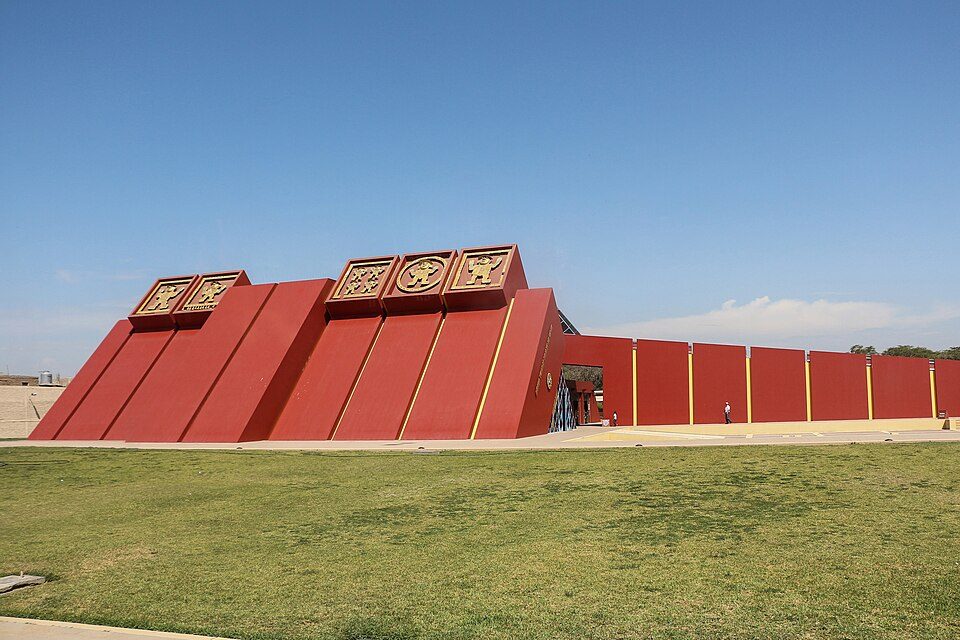
Royal Tombs of Sipán Museum

Confirm museum opening days and archaeological access before routing. Exposed sites require sun protection; preservation work can change visitor areas.

Planning
Planning note

Confirm museum opening days and archaeological access before routing. Exposed sites require sun protection; preservation work can change visitor areas.

Plan with us
Be Peru DMC

Confirm museum opening days and archaeological access before routing. Exposed sites require sun protection; preservation work can change visitor areas.

Your next program

Make room for Lambayeque / Chiclayo

Share your traveler profile, dates and group size. We shape a tailored proposal and confirm logistics before quoting.

Send us a brief