 Håkan Svensson · CC BY-SA · Wikimedia Commons
01Chan Chan: Water, Adobe and City Life
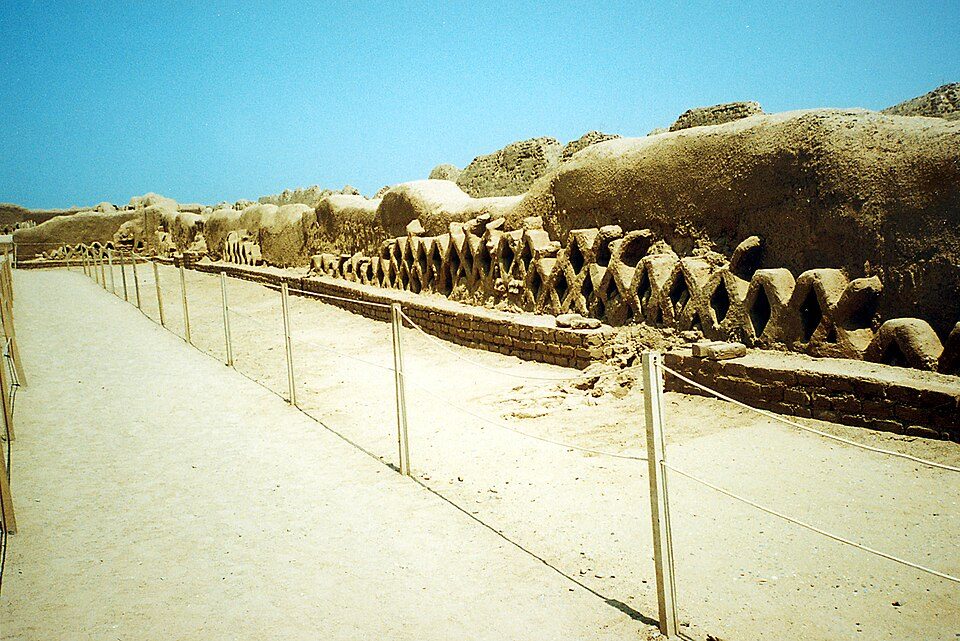
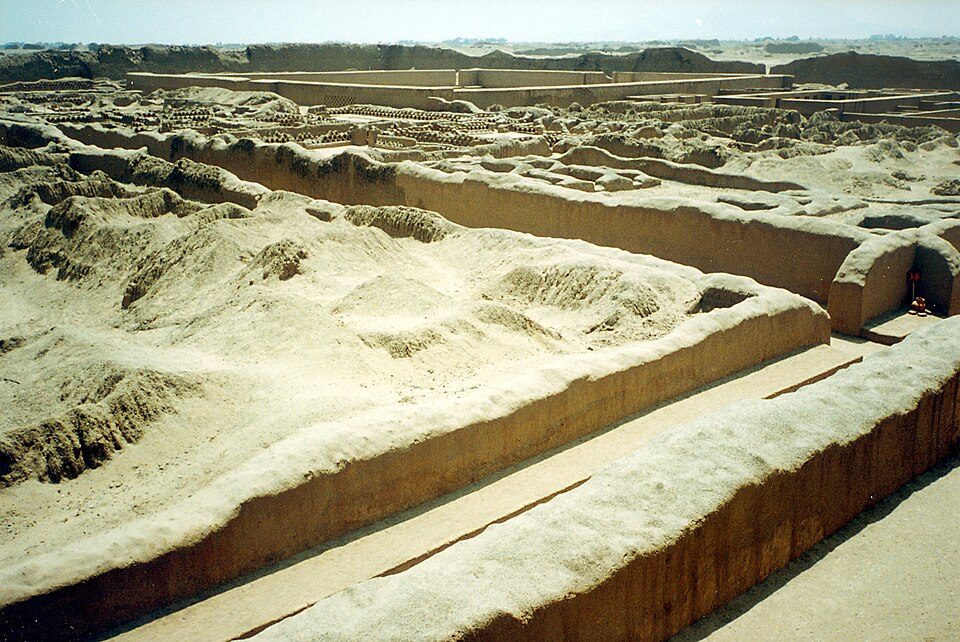
Explore Chan Chan with a specialist guide who connects its adobe architecture to water management, labor and life in a desert capital. Look closely at surviving reliefs and spatial organization, discussing what archaeological evidence suggests about their meaning and function. Follow authorized visitor routes, with time to consider the challenges of conserving earthen architecture.
Chimú heritageWater and adobeSpecialist guiding
 Joel Takv · CC BY-SA · Wikimedia Commons
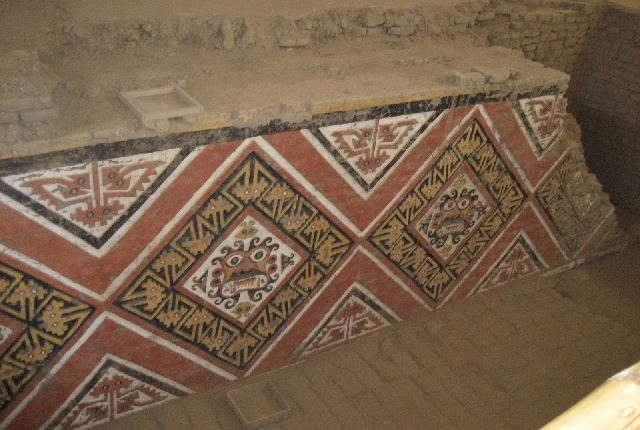
02Huacas de Moche: From Murals to Clay
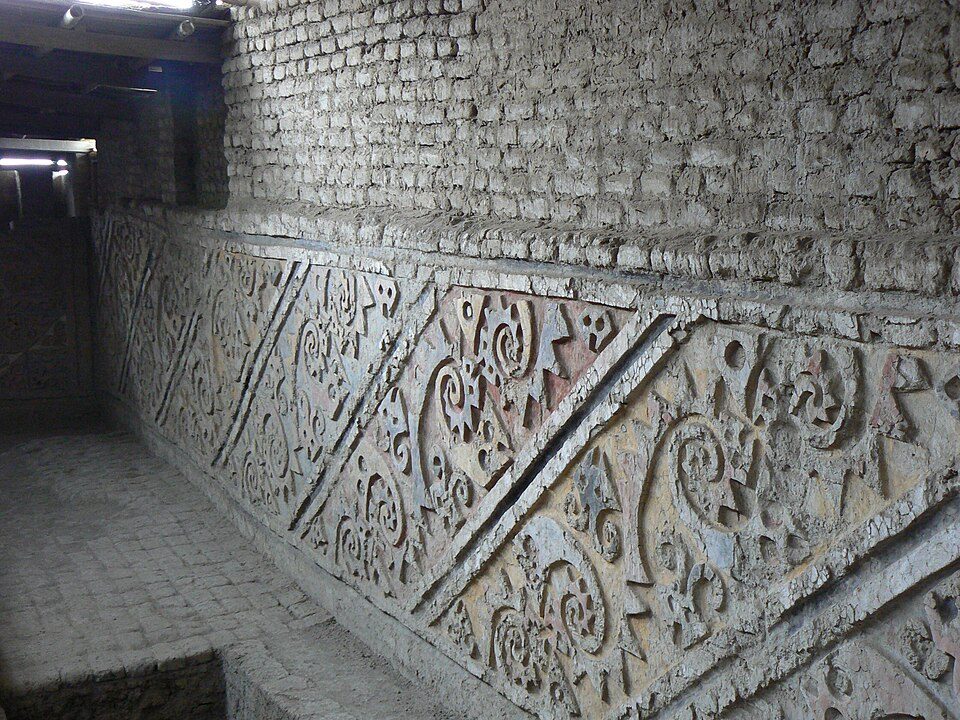
At Huacas del Sol y de la Luna, explore the accessible archaeological areas with a guide who distinguishes material evidence from interpretations of Moche imagery. If a local ceramic artisan is available, continue with a fairly paid workshop, trying motifs inspired by documented vessels and discussing how archaeologists use ceramics to investigate daily life, ceremony and social relationships.
Moche archaeologyCeramicsLocal makers
 Bernard Gagnon · CC BY-SA · Wikimedia Commons
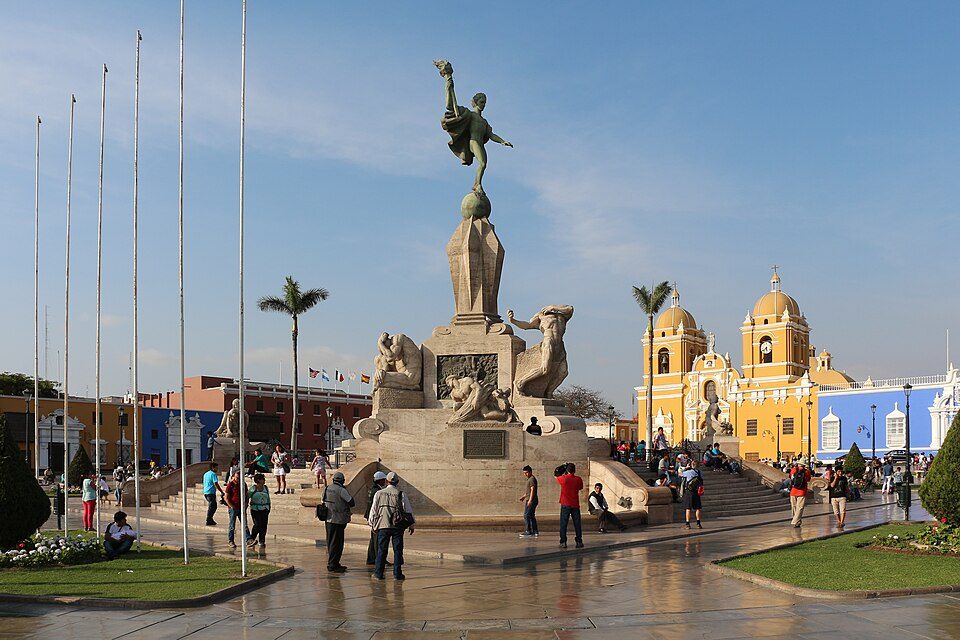
05Historic Trujillo: Reading the City
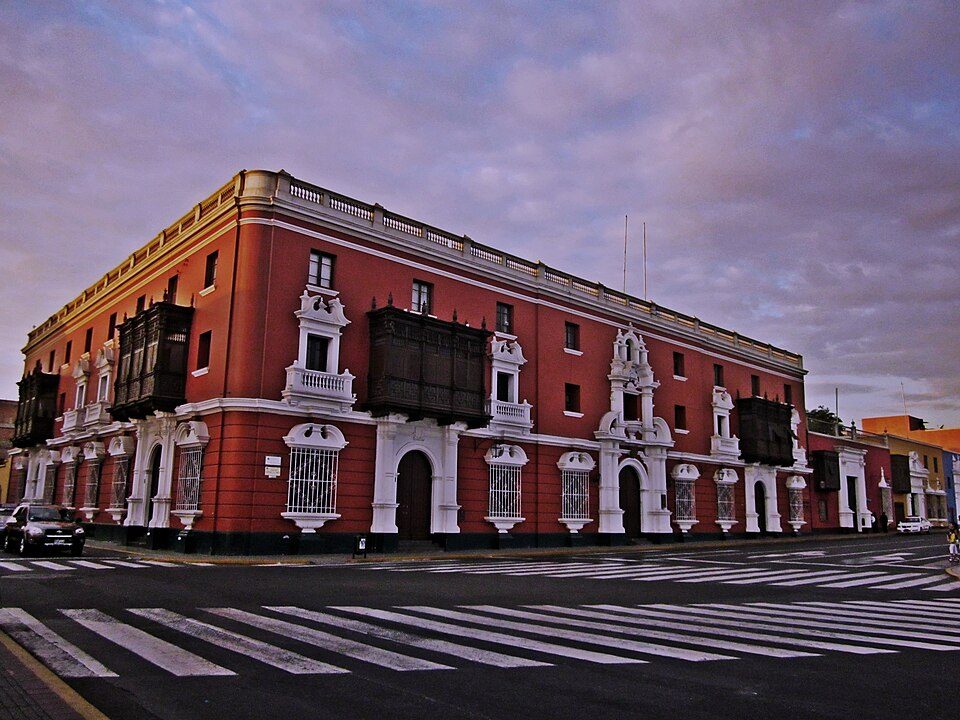
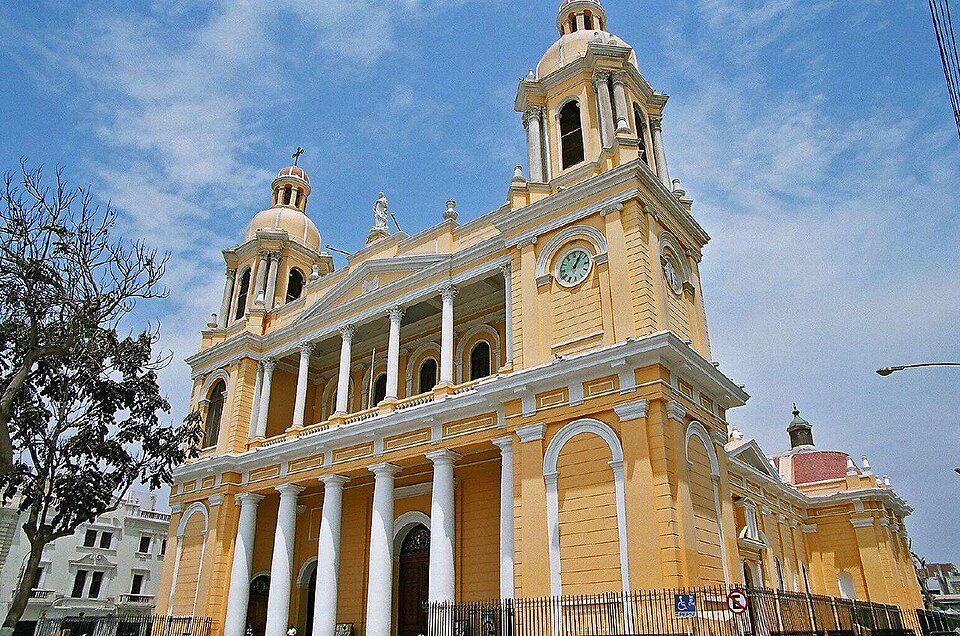
Walk through historic Trujillo with a local guide, reading its plazas, façades and religious architecture as layers of a changing city rather than a checklist of monuments. Discuss the colonial order and its relationship to the surrounding valleys, alongside present-day uses of the center. Visits inside churches or historic buildings depend on opening arrangements and respect for ongoing activities.
Urban historyArchitectureLocal perspective
06Northern Cooking with a Local Cook
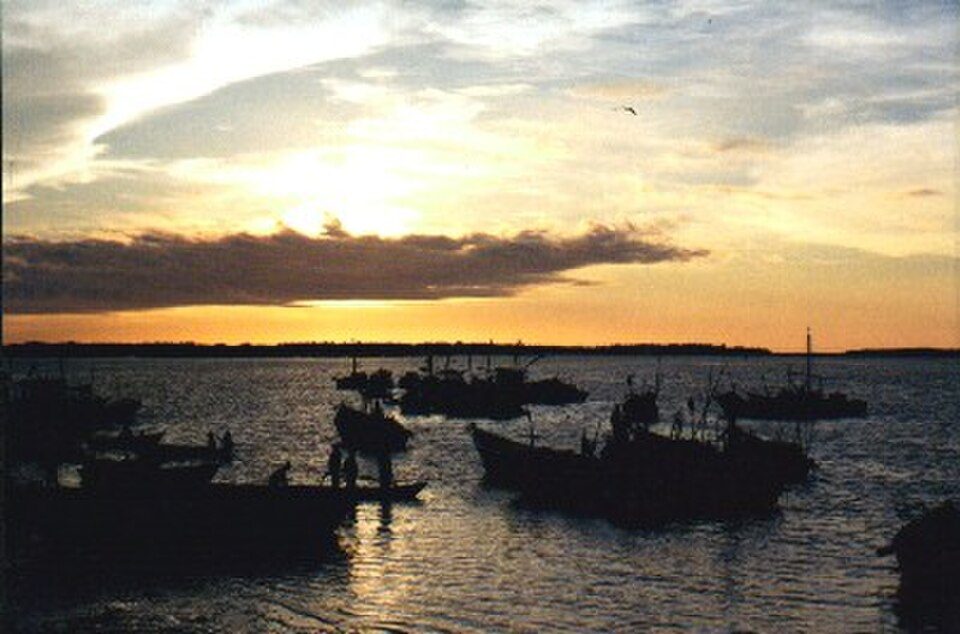
With a willing cook, explore market ingredients before a kitchen session, where access allows, around ceviche, shambar or other northern dishes. Discuss ingredients alongside archaeological evidence for Moche foodways without assuming unchanged recipes. Avoid protected wildlife trade; seafood must be safely sourced, with shellfish subject to legal seasons.
Market ingredientsHands-on cookingRegional food