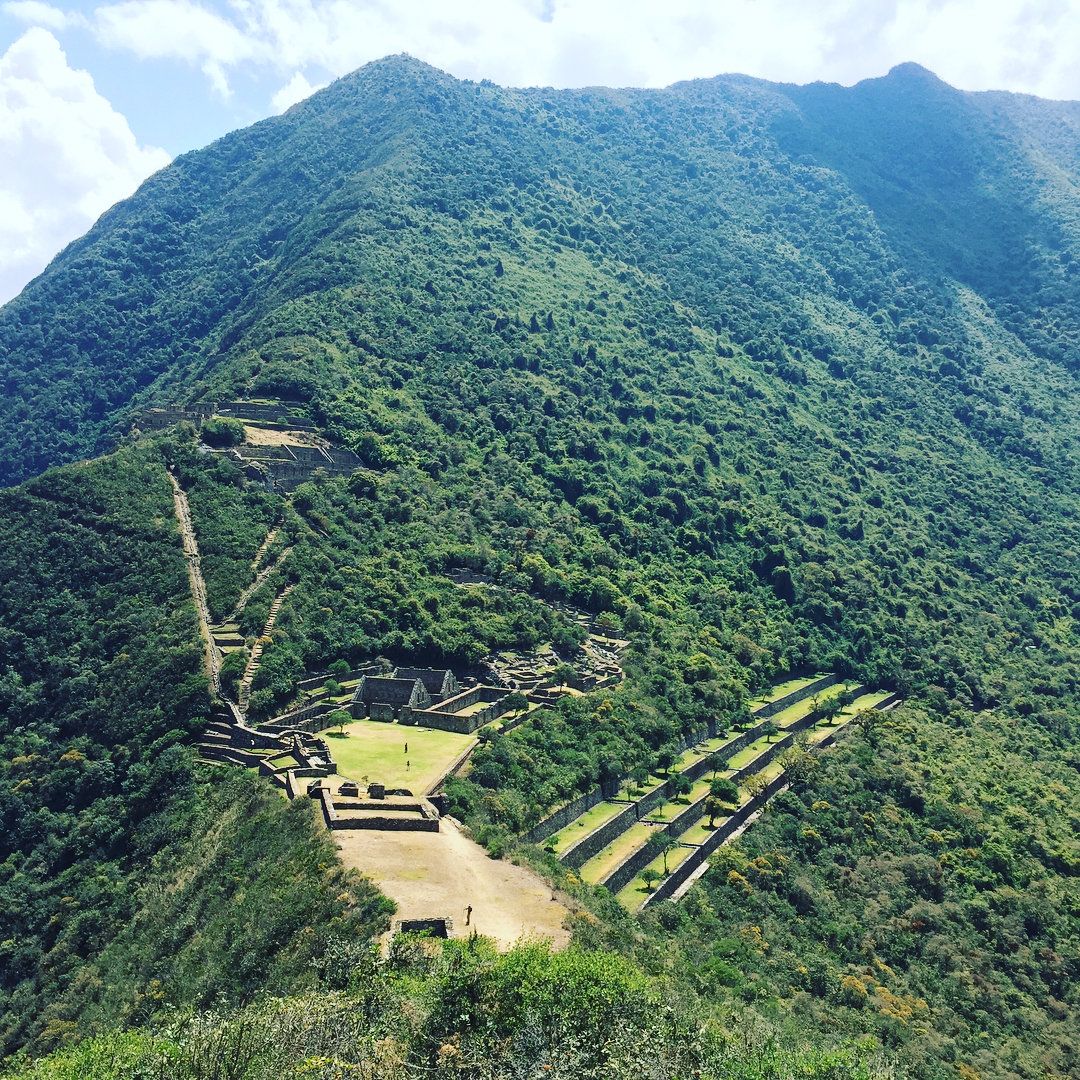
ChoquequiraoSucram Yef · CC BY · Wikimedia Commons
← All destinations
Be Peru · Destination Guide

ChoquequiraoEarn the view. Keep the wonder.

Above the Apurímac canyon, Choquequirao rewards a demanding approach with terraces, ceremonial spaces and a quieter encounter with Inca engineering. The walk is central to the experience.

RegionCusco Andes
Best forNature · Culture
PaceTailor-made
PlanningAcclimatization & logistics
Choquequirao · PeruJuanca loayza · CC BY-SA 4.0 · Wikimedia Commons
Choquequirao · Peru
Why come here

Earn the view. Keep the wonder.

Curious travelersTravel advisorsPrivate journeysSmall groups
01

A place with its own identity

Above the Apurímac canyon, Choquequirao rewards a demanding approach with terraces, ceremonial spaces and a quieter encounter with Inca engineering. The walk is central to the experience.

02

Beyond the first impression

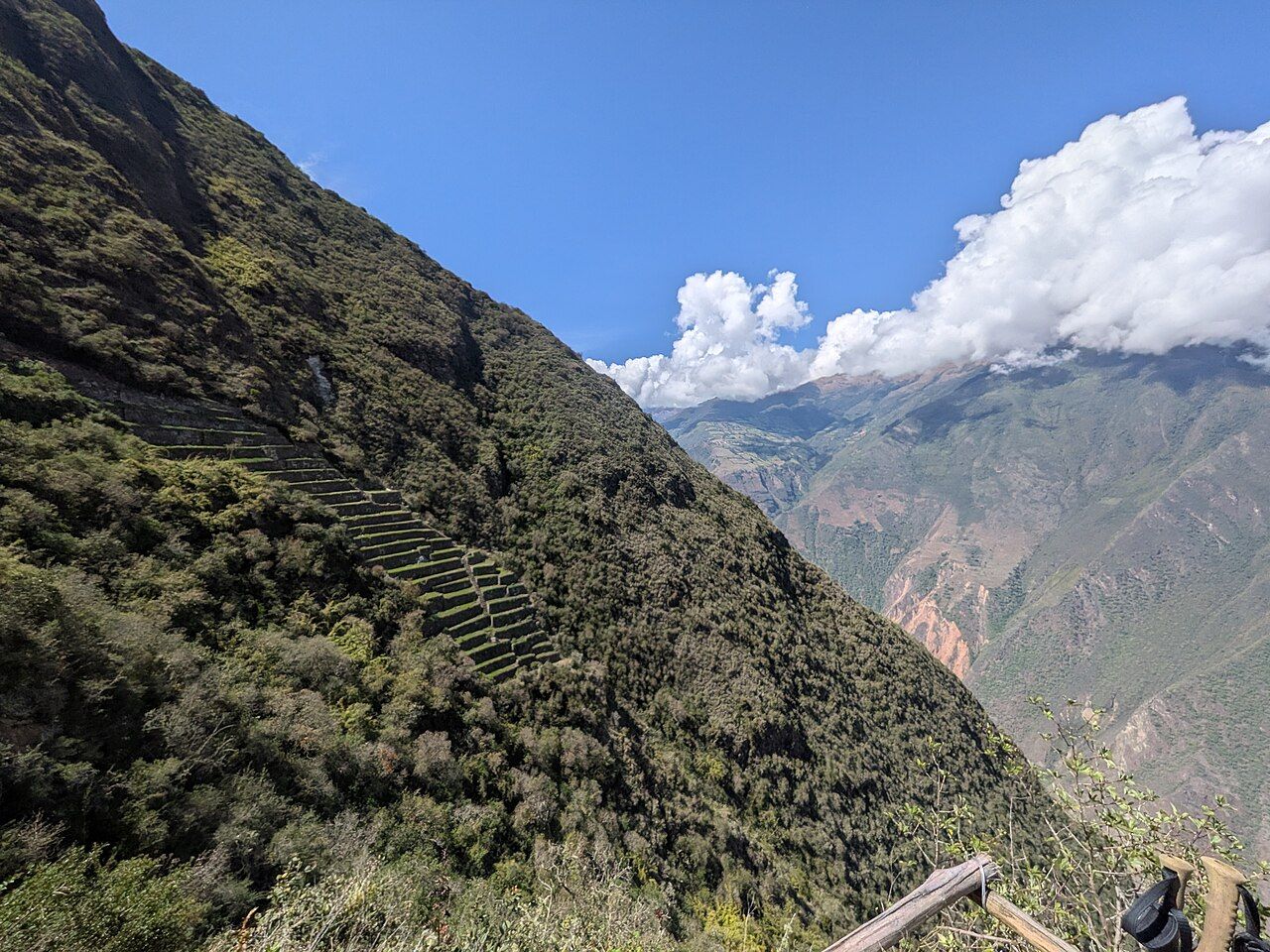
Connect Choquequirao terraces with Llama terraces. Allow time to understand the landscape and its history rather than rushing between stops.

03

Planning matters

This is strenuous trekking with major descents and climbs, not a casual archaeological day trip. Reconfirm access, trail conditions, camping logistics and evacuation arrangements.

Signature experiences

Four ways into Choquequirao

Reaching Choquequirao means crossing a demanding mountain landscape, not simply arriving at an archaeological site. A thoughtfully paced journey can bring together specialist interpretation, the knowledge of local trekking teams, ecological observation and a family table near Cachora, with time for acclimatization, recovery and unhurried exploration.

Archaeology on footLocal trekking knowledgeCanyon ecologyFamily cooking
Time to Read Choquequirao’s TerracesJuanca loayza · CC BY-SA 4.0 · Wikimedia Commons
01

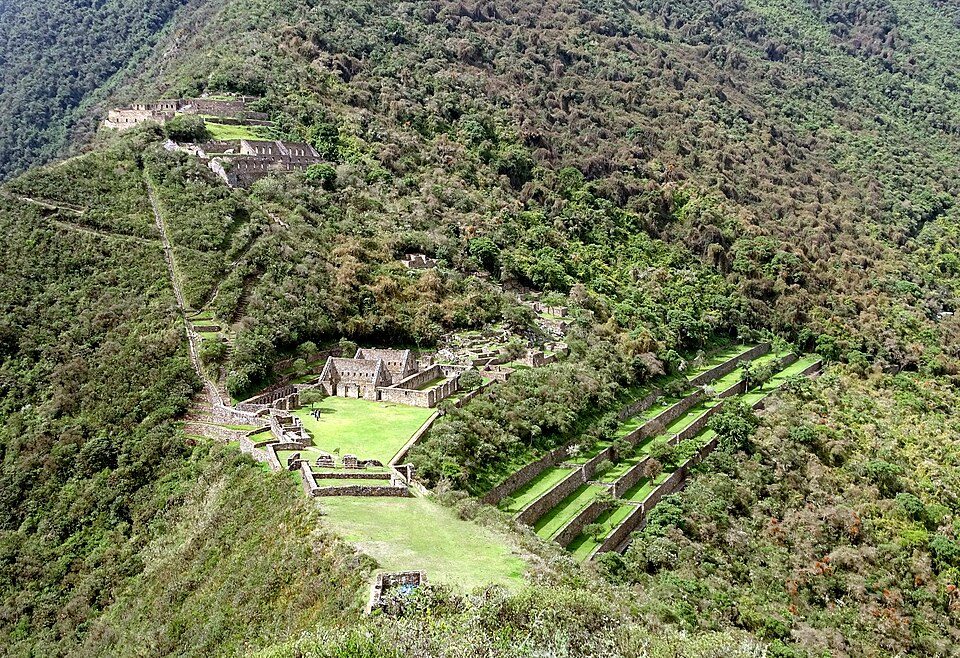
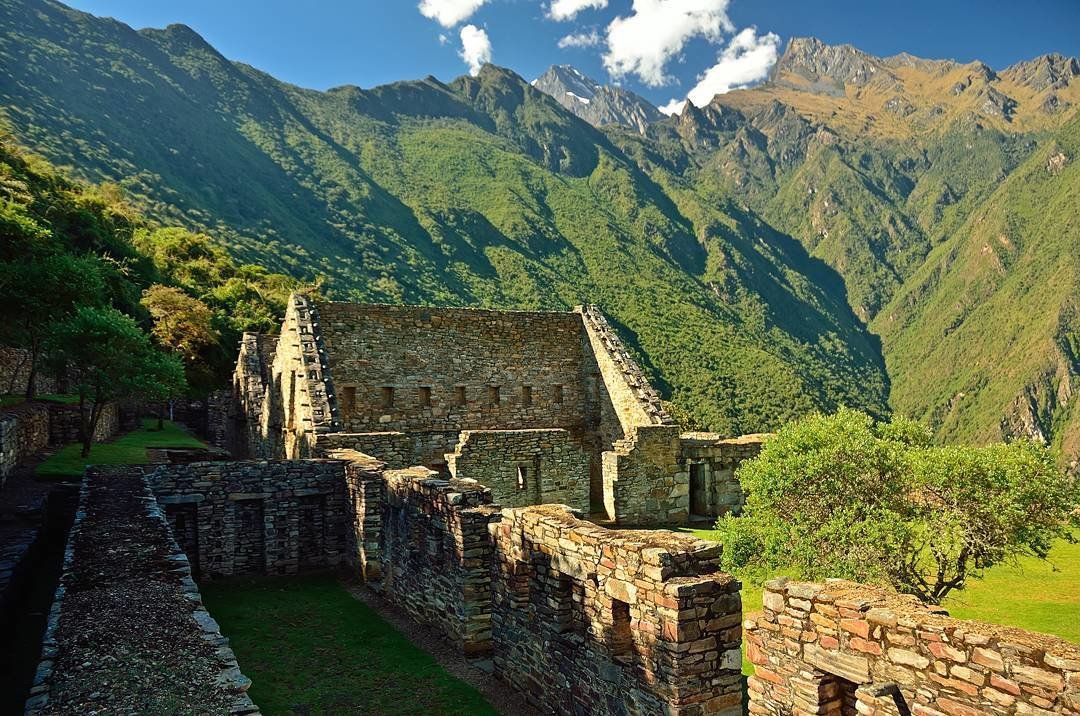
Time to Read Choquequirao’s Terraces

Allow enough time at Choquequirao to explore its terraces with a guide specializing in Inca archaeology. Looking closely at retaining walls, slopes and relationships between cultivated and built spaces opens questions about how this mountain settlement worked. Shape the trek around meaningful time inside the complex, with rest and access to authorized sectors informing the pace.
ArchaeologySlow exploration
Looking Closely at the Llama TerracesHarley Calvert · CC BY-SA 3.0 · Wikimedia Commons
02

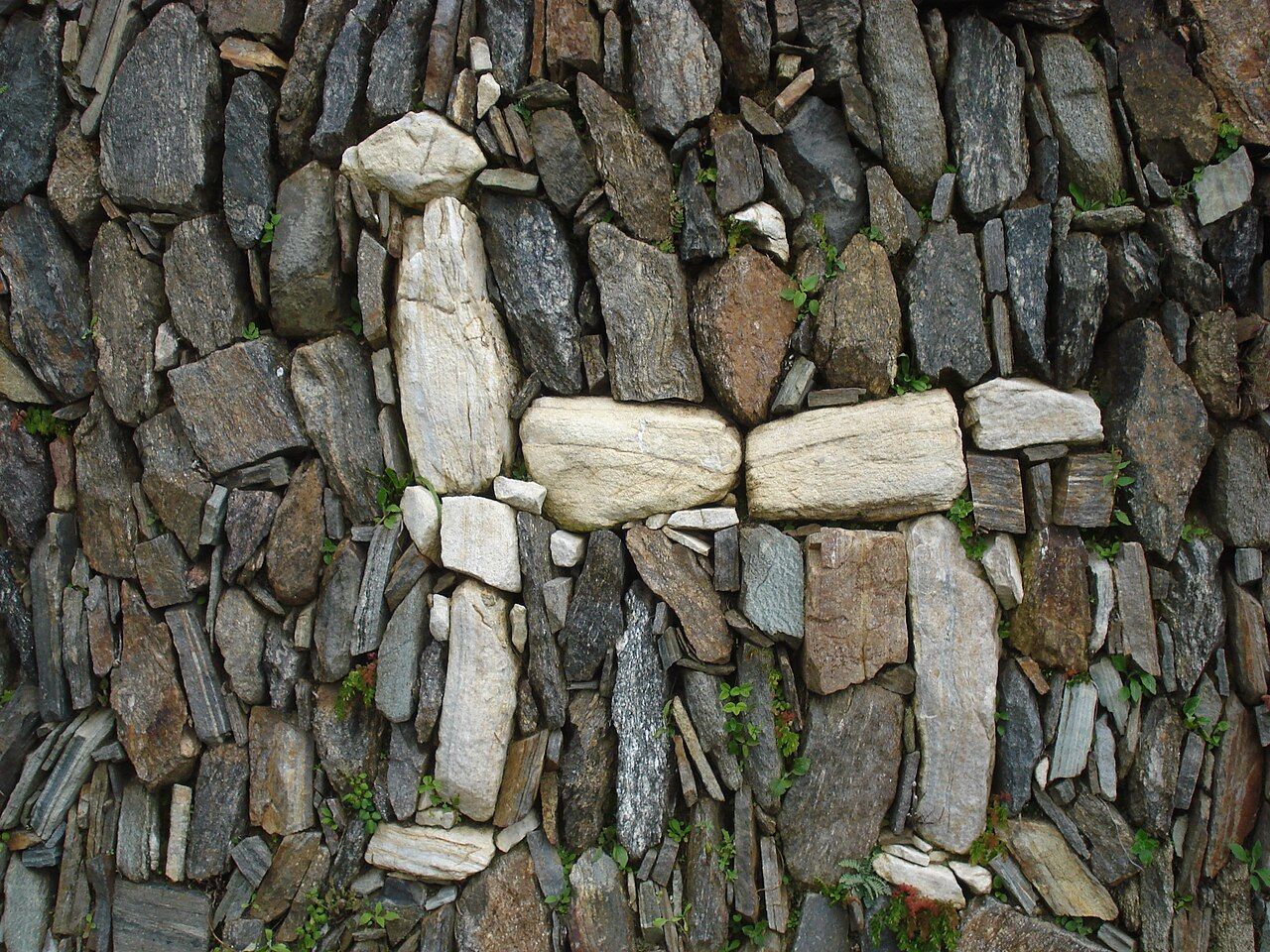
Looking Closely at the Llama Terraces

Where sector access permits, walk to the llama terraces with a specialist guide to examine the stone figures set into the terrace walls. Their placement invites discussion of animals, movement and the wider Andean world without presenting debated meanings as settled fact. Allow for the additional walking and elevation changes rather than treating this sector as a quick photograph stop.

StoneworkSpecialist interpretation
Apurímac Canyon, from River Valley to Cloud ForestBryan Dougherty from New York City, USA · CC BY-SA · Wikimedia Commons
03

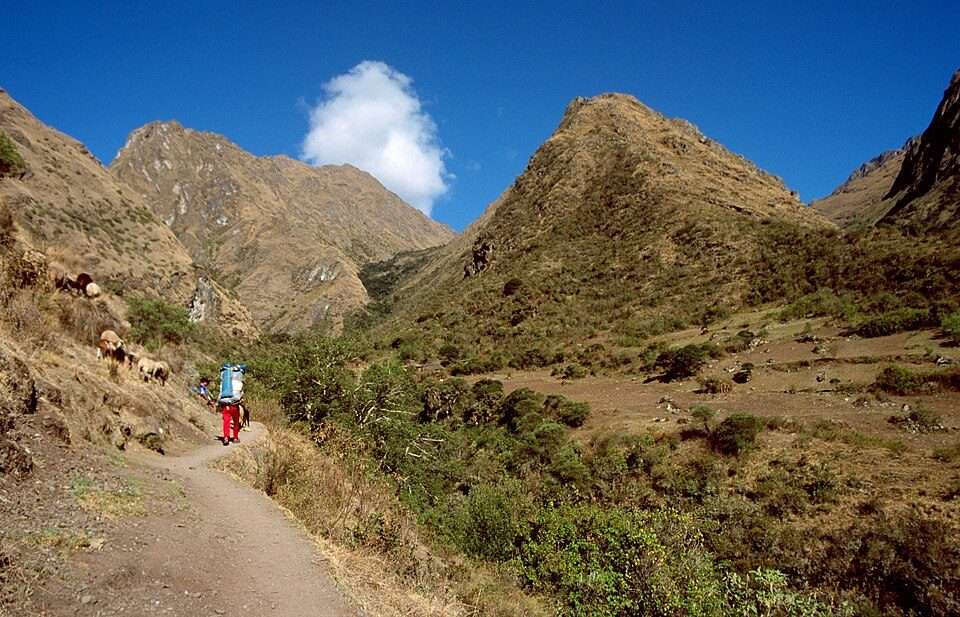
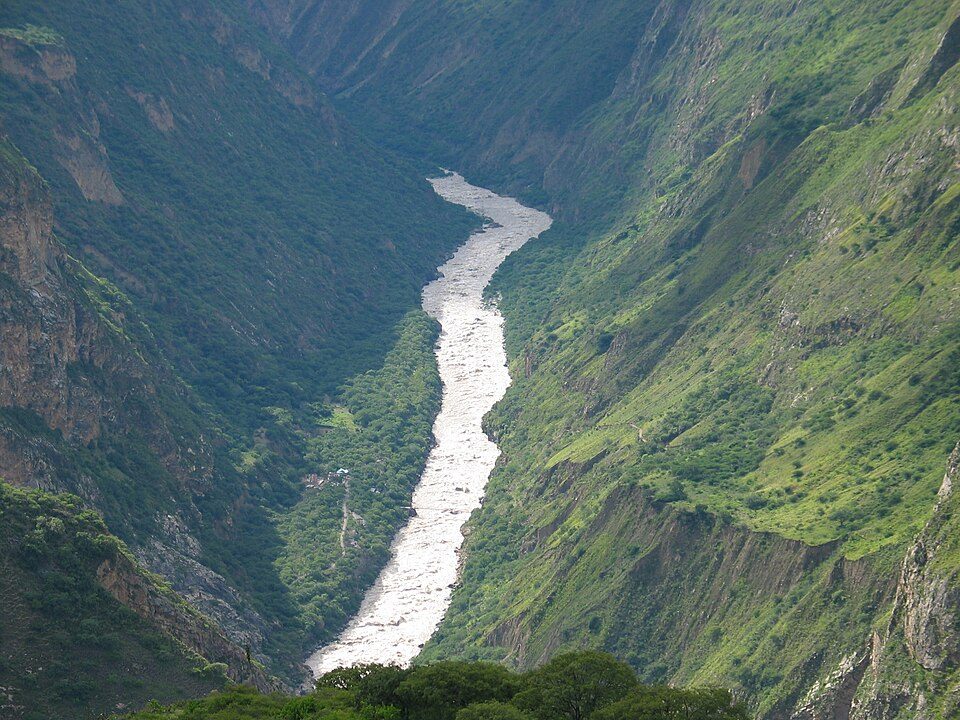
Apurímac Canyon, from River Valley to Cloud Forest

Follow the changing landscape of the Apurímac Canyon on foot, ideally with a local naturalist whose availability shapes the itinerary. Compare the warmer river valley with vegetation and mountain environments higher on the route, discussing how elevation and moisture influence life. Bird observations depend on conditions; pauses for interpretation must also respect heat, steep terrain and each walker’s stamina.

EcologyMountain trekking
Marampata and the People Behind the TrekGuillermo Carlos Gómez · CC BY-SA 4.0 · Wikimedia Commons
04

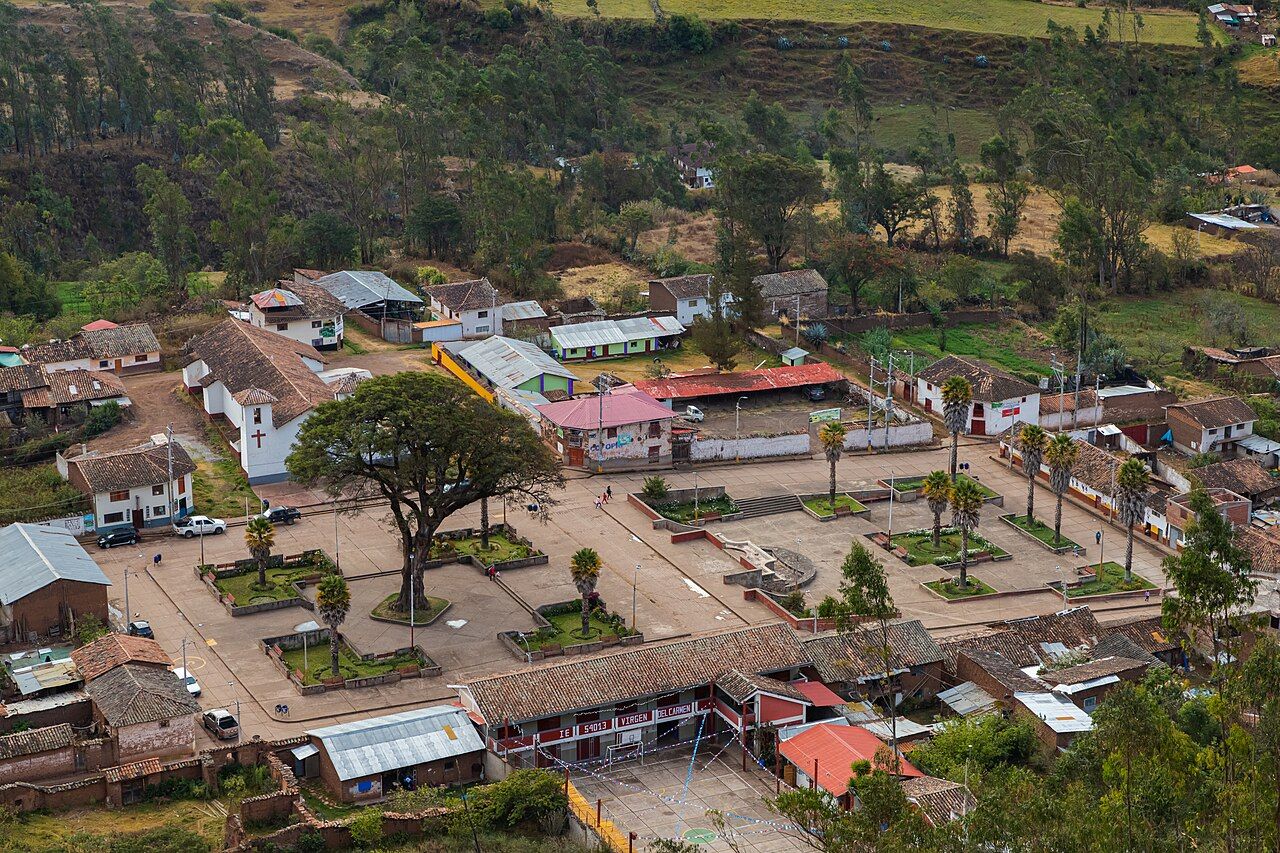
Marampata and the People Behind the Trek

Make Marampata a place to understand the human work behind the route, not merely an overnight stop. A journey supported by muleteers and cooks from the Cachora area can create space for their knowledge along the way. In Marampata, conversations with farming families depend on their interest and availability, with paid hosting and no expectation of staged daily life.

Local knowledgeFair hosting
Take Time for Choquequirao

Family hosting near Cachora, conversations in Marampata and naturalist accompaniment depend on actual availability and consent. Trek planning must account for acclimatization, steep descents and climbs, weather and current site access. Agree on fair payment for hosting, cooking participation and permission for photographs in advance, without disrupting farm work or household routines.

Send us a brief

One destination. Many ways to experience it.

Shape your journeyBack to experiences
The destination through the year

When to come, how to arrive

This is strenuous trekking with major descents and climbs, not a casual archaeological day trip. Reconfirm access, trail conditions, camping logistics and evacuation arrangements.

Weather & rhythm
May–SeptemberThe landscape sets the paceGenerally drier Andean months; cold nights and rapid weather changes.
Before departureCheck current conditionsThis is strenuous trekking with major descents and climbs, not a casual archaeological day trip. Reconfirm access, trail conditions, camping logistics and evacuation arrangements.
Year-roundTravel respectfullyAgree photography and visits with local hosts; leave room for changes in weather.
Living traditionsGuillermo Carlos Gómez · CC BY-SA 4.0 · Wikimedia Commons
Year-round

Living traditions

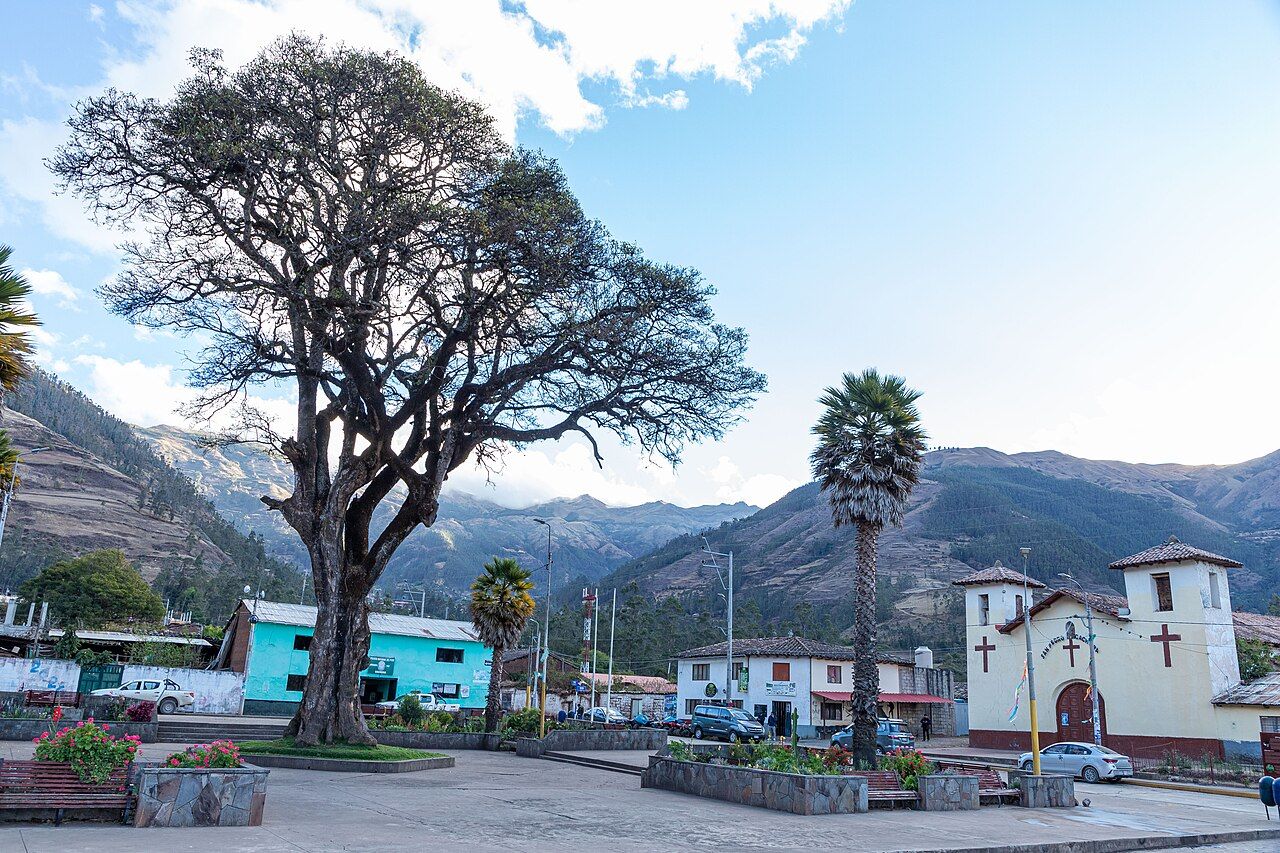
The story of Choquequirao also lives in its markets, crafts and everyday places. Cultural visits are coordinated with local hosts; celebrations are not private performances.

Culture
Choquequirao terracesGedankenstuecke · CC BY-SA 4.0 · Wikimedia Commons
Conditions dependent

Choquequirao terraces

This is strenuous trekking with major descents and climbs, not a casual archaeological day trip. Reconfirm access, trail conditions, camping logistics and evacuation arrangements.

Planning
Planning note

This is strenuous trekking with major descents and climbs, not a casual archaeological day trip. Reconfirm access, trail conditions, camping logistics and evacuation arrangements.

Plan with us
Be Peru DMC

This is strenuous trekking with major descents and climbs, not a casual archaeological day trip. Reconfirm access, trail conditions, camping logistics and evacuation arrangements.

Trek questions

Planning the Choquequirao trek

How long is the Choquequirao trek?

The classic route is an out-and-back walk from Cachora and usually takes four days, with a full day or half day inside the site. Longer versions continue across the mountains towards Machu Picchu and take around a week or more. We shape the number of days around your group’s pace and how much time you want at the ruins.

How difficult is the Choquequirao trek?

It is one of Peru’s more demanding treks. The trail drops steeply into the Apurímac canyon and then climbs back up the other side, so you face long descents and climbs on consecutive days, often in heat at the bottom and cooler air higher up. Good fitness, broken-in boots and walking poles help; mules can carry gear, and riding support can be arranged on some sections.

How high is Choquequirao?

The archaeological site sits at roughly 3,000 metres above sea level, while the river crossing at the bottom of the canyon is far lower. Spending a few days in Cusco or the Sacred Valley first helps your body adjust before the trek.

When is the best time to go?

The drier months, generally May to September, offer the most reliable trail conditions, with clear days and cold nights. The wetter months, roughly December to March, bring heavier rain and slippery paths. Conditions change from year to year, so we reconfirm the trail before every departure.

How do you get to the start of the trek?

Most journeys begin with a road transfer from Cusco to the village of Cachora, where muleteers and the trail meet. There is no road or cable car to the site itself: Choquequirao is reached on foot, which is a large part of why it feels so quiet.

Choquequirao or Machu Picchu?

They are very different experiences. Machu Picchu is reached by train and bus and receives many visitors each day. Choquequirao takes days of walking and receives only a small number of visitors, so you often have terraces and plazas almost to yourself. Many travellers combine both, or choose Choquequirao as the trekking highlight of a longer Cusco journey.

Where do you sleep on the trek?

Nights are spent camping at established sites along the route, such as near Marampata, with camping gear carried by mules and meals prepared by a local cooking team. We confirm the campsites and support team for each departure.

Do you need a guide or permit?

An entrance ticket is required to visit the archaeological site, and access rules can change, so we confirm them when booking. Travelling with a licensed guide and a local support team from Cachora makes the logistics, safety and interpretation of the site far easier.

Your next program

Make room for Choquequirao

Share your traveler profile, dates and group size. We shape a tailored proposal and confirm logistics before quoting.

Send us a brief