Explore things to do in Arequipa, understand its altitude and plan a Colca Canyon extension, with practical guidance for a thoughtful, tailored Peru itinerary.
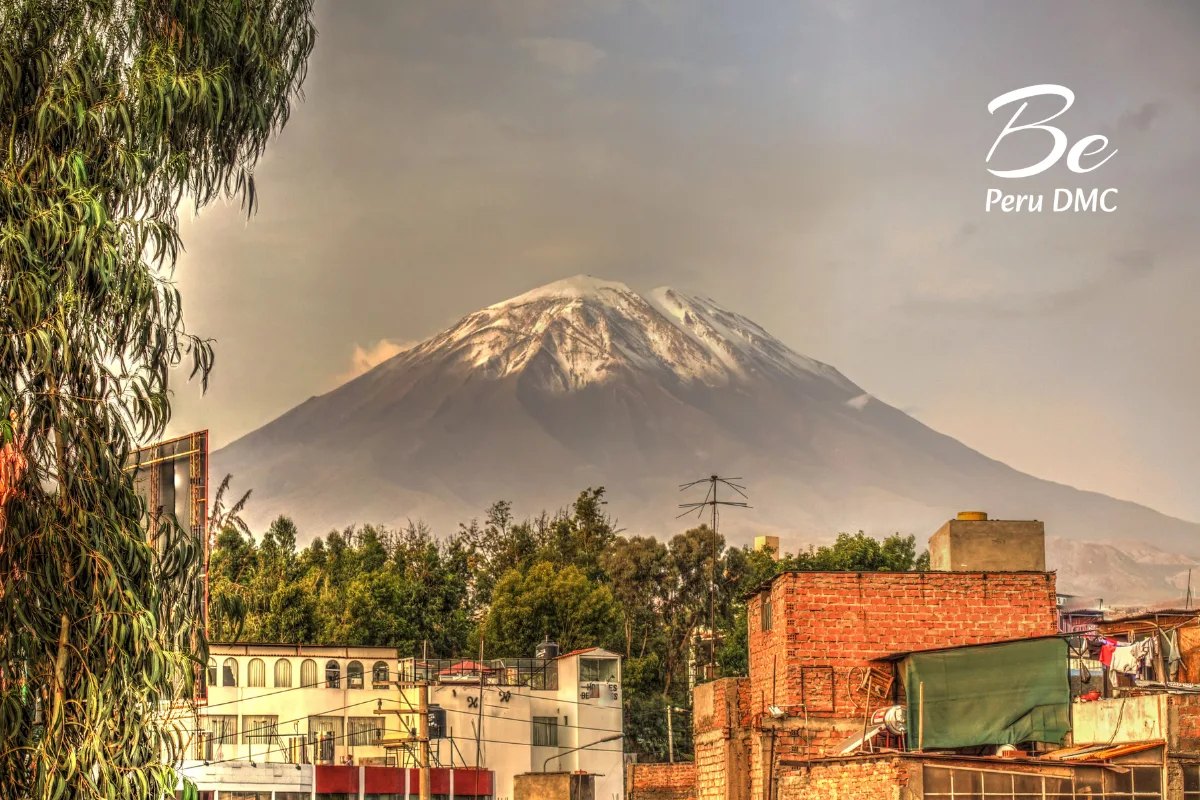
Arequipa, Peru, suits travelers who want colonial architecture, distinctive regional food and an Andean landscape without making every day a trek. Framed by three volcanoes, the city is built largely from white _sillar_, a volcanic stone that helps explain its familiar name, the White City. Its historic center rewards unhurried exploration, while Colca Canyon adds a contrasting landscape beyond the city. For travel advisors, the strongest itinerary gives Arequipa a role of its own rather than using it only as a departure point for the canyon.
Itinerary roleWhere Arequipa fits in a Peru itinerary
Arequipa works particularly well for travelers interested in history, architecture, food and living craft traditions. Its generally temperate climate and walkable sightseeing focus invite a gentler rhythm than a program built entirely around outdoor excursions, although individual mobility needs still matter. It can also provide a gradual transition from coastal Lima before higher destinations such as Cusco or Lake Titicaca. Avoid describing that sequence as a guaranteed acclimatization strategy. Give the city enough space for a meaningful historical visit and a regional meal, and assess the Colca extension as a separate planning decision.
CultureThings to do in Arequipa’s historic center
Begin with the UNESCO World Heritage historic center, anchored by the Plaza de Armas and Basilica Cathedral. Santa Catalina Monastery adds a different scale: a sprawling 16th-century citadel within the city, with vividly painted spaces and a long history of cloistered religious life. The Andean Sanctuaries Museum introduces Inca high-altitude ritual through its association with the remarkably preserved remains of Juanita. Confirm current exhibition arrangements rather than promising a particular display. These visits benefit from interpretation and pauses; a long checklist of monuments can leave less room to understand the city’s architecture, religious history and Andean context.
Local characterRegional food and the stone behind the White City
Arequipa’s _picanterías_, traditional restaurants associated with lunchtime dining, offer a useful cultural counterpoint to museum visits. Regional dishes include _rocoto relleno_, a stuffed spicy pepper; _pastel de papa_, a layered potato-and-cheese bake; and _chupe de camarones_, a hearty shrimp chowder. Plan a meal as an experience rather than squeezing it between appointments. For architecture and craft enthusiasts, the Ruta del Sillar connects the finished cityscape with active quarries, where local stoneworkers extract and carve the white volcanic stone. A guided visit helps explain the material while keeping visitors attentive to the needs of a working environment.
Well-beingArequipa altitude and a sensible arrival pace
Arequipa’s altitude is approximately 7,661 feet (2,335 meters). That is lower than several onward Andean destinations, but travelers should still have room to adjust after arrival. Keep the first activities flexible and avoid linking arrival directly to a demanding trek. Higher parts of a Colca itinerary can exceed 11,000 feet; the canyon floor, valley settlements and access routes should not be treated as if they share one elevation. Discuss the actual route with the local team, and encourage travelers with health concerns to seek qualified medical advice. Time in Arequipa is not protection against altitude-related illness farther along the journey.
Travel logisticsGetting to Arequipa and planning for conditions
A domestic flight from Lima to Alfredo Rodríguez Ballón International Airport takes approximately 90 minutes. Overland alternatives from Lima and Cusco are substantially longer: around 16 and 10 hours respectively are planning references, not fixed journey times. Route, road conditions and operator can change the experience. Some premium buses offer sleeper-style or fully reclining seats, but confirm the actual service before describing its comfort. Arequipa is known for abundant sunshine, so sun protection belongs in the pre-departure briefing. Check weather and route conditions for the travel dates, especially for Colca, rather than extending the city’s generally temperate reputation to the entire region.
Beyond the cityColca Canyon: scenic touring or trekking
Colca Canyon can be approached through a scenic driving program or a guided trek, commonly lasting two to three days. These are different products: establish whether travelers want viewpoints and valley landscapes or the physical commitment of walking within the canyon. Cruz del Condor is a well-known viewpoint for watching Andean condors ride morning thermal currents. Departure timing depends on the route and overnight arrangements; do not assume every program requires a pre-dawn start from Arequipa. Sightings are never guaranteed. Hot springs near Chivay can add a quieter stop, while Yura offers another thermal-bath possibility in the wider Arequipa region.
Responsible planningCoordinate a tailored program with a Peru DMC
Share travelers’ interests, mobility, walking tolerance and onward route with Be Peru DMC so the city visits, meals, transfers and possible Colca extension can be considered together. Confirm current access, exhibition details and transport arrangements before finalizing the program. Responsible visiting also belongs in the briefing: follow guidance in religious spaces and working quarries, treat human remains with respect in museum interpretation, and observe condors without disturbing them. A well-designed Arequipa travel guide becomes most useful when translated into a realistic sequence, with time to enjoy the place and flexibility around weather, wildlife and individual needs.
Arequipa planning notes for travel advisors
Use these notes to turn the destination’s highlights into a comfortable, interest-led program.
- 01
Build in a regional lunch
Picanterías are traditionally associated with lunch. Ask about dietary needs and tolerance for spicy food before selecting dishes such as rocoto relleno, pastel de papa and chupe de camarones.
- 02
Prepare for strong sun
Arequipa is known for abundant sunshine. Recommend high-SPF sunscreen, sunglasses and a wide-brimmed hat, while checking conditions for the actual travel dates rather than assuming constant sunshine.
- 03
Connect architecture with craft
The Ruta del Sillar gives context to the city’s buildings through visits to active volcanic-stone quarries. Include it for travelers interested in local craftsmanship, with guidance appropriate to a working site.
- 04
Consider a thermal-bath stop
Hot springs around Chivay in the Colca Valley and in Yura can complement a regional itinerary. Suggest swimwear if a visit is included, and verify access and suitability rather than promising recovery benefits.
- 05
Brief the onward journey
Review higher-altitude sections, road travel and walking demands before confirming Colca. A scenic driving program and a trekking itinerary should not be presented as equivalent physical experiences.
Create an Arequipa journey with purpose
Share your travelers’ interests and onward route with Be Peru DMC to shape an Arequipa stay and a thoughtfully paced Colca extension.
Frequently asked questions
What are the main things to do in Arequipa?
Explore the UNESCO-listed historic center, Plaza de Armas, Basilica Cathedral and Santa Catalina Monastery. Add the Andean Sanctuaries Museum, a picantería lunch or the Ruta del Sillar according to travelers’ interests.
What is Arequipa’s altitude?
Arequipa sits at approximately 7,661 feet (2,335 meters). Plan an easy arrival and allow time to adjust before continuing higher. A stay here does not guarantee acclimatization for Colca, Cusco or Lake Titicaca.
How do travelers get to Arequipa?
Domestic flights connect Lima with Alfredo Rodríguez Ballón International Airport. The flight takes approximately 90 minutes. Overland journeys from Lima or Cusco are much longer; confirm current routing, duration and seat configuration before booking.
Can travelers visit Colca Canyon without trekking?
Yes. A scenic driving itinerary can focus on viewpoints and the valley rather than a canyon trek. Discuss walking tolerance, altitude and road travel separately: a vehicle-based visit still requires thoughtful pacing.
How much time should an Arequipa and Colca itinerary allow?
Allow separate time for the city and the canyon rather than treating Colca as a quick city attraction. Guided Colca treks commonly take two to three days; driving programs should be tailored to the route and travelers’ pace.
Are condor sightings guaranteed at Cruz del Condor?
No. The viewpoint is associated with watching Andean condors use morning thermal currents, but wildlife sightings and conditions vary. Present the canyon scenery as part of the experience, not just the possibility of seeing birds.
Want your travelers to live this story?
Tell us dates, group size and traveler profile. We design and operate the program under your brand.
Send us a brief →Illustrative photography