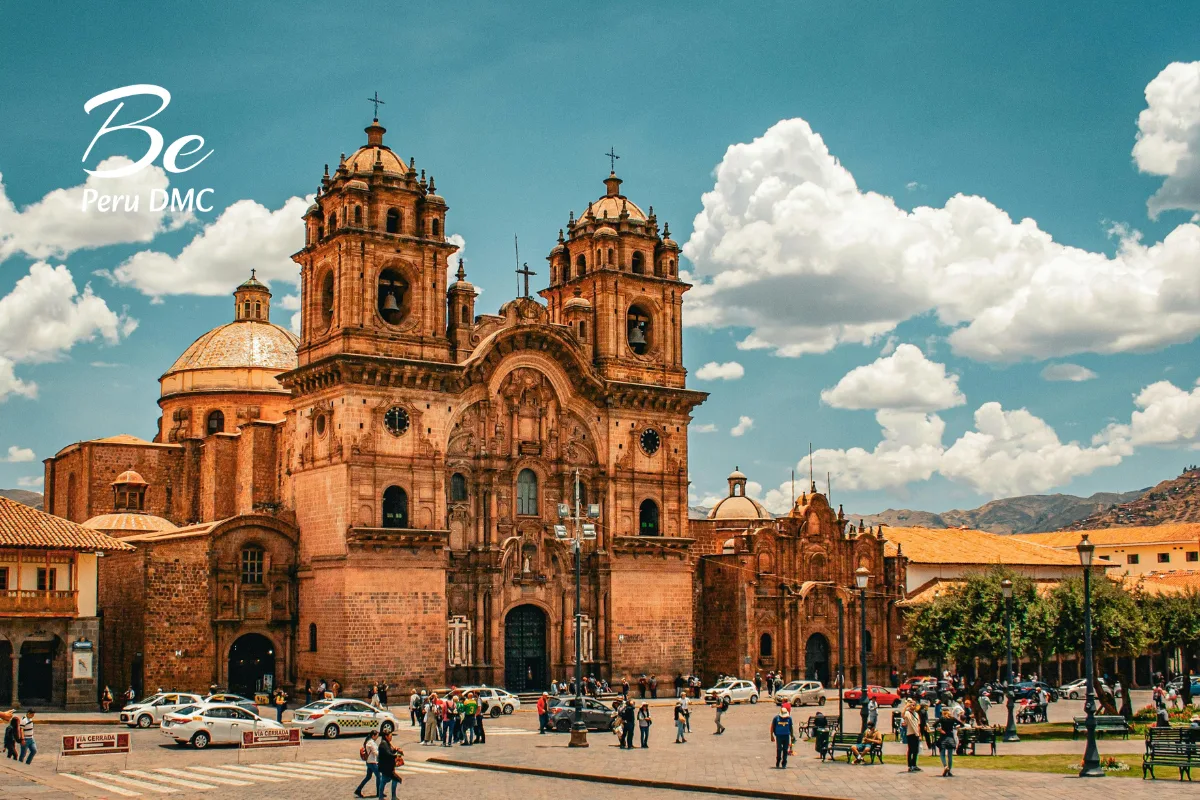
Explore things to do in Cusco, from Inca stonework to San Pedro Market, with practical advice on altitude, pacing, and connections to the Sacred Valley.
Cusco, Peru, is both the historical capital of the Inca Empire and a gateway to the Sacred Valley and Machu Picchu. Its appeal goes beyond a stop on the way elsewhere: Inca stone foundations support Spanish colonial buildings, markets remain places of everyday commerce, and regional Andean cuisine adds another dimension to a stay. This Cusco travel guide focuses on what to see and how to arrange it without overlooking altitude, walking demands, or time to explore.
The regional journeyGive Cusco a clear role in the itinerary
Cusco suits travelers interested in archaeology, architecture, food, and living urban culture. It rewards those who enjoy walking, but its slopes make route design important for anyone with limited stamina or mobility. For advisors, the first decision is whether the city will open the regional stay, follow time in the Sacred Valley, or provide a cultural pause around a Machu Picchu journey. Avoid presenting it only as a transit point: its historic center deserves dedicated time rather than leftover hours between connections.
Things to do in CuscoStart with the Plaza de Armas and Qorikancha
The Plaza de Armas anchors the historic center, with Cusco Cathedral facing the square. It provides a useful starting point for understanding the city before moving into more detailed site visits. At Qorikancha, the former Inca Temple of the Sun, carefully fitted Inca masonry contrasts with the colonial Santo Domingo convent built over it. Together, these places introduce the architectural layers visible across Cusco. A guide can help connect those layers, while a measured walking pace allows travelers to notice details rather than simply complete a checklist.
Beyond the main squareBalance Sacsayhuamán with San Blas and San Pedro
Above the center, the monumental stone complex of Sacsayhuamán offers broad views across the city and valley. The walking approach is steep, so discuss access and exertion before placing it early in a stay. San Blas brings an artisan focus, with inclines and uneven streets that call for unhurried exploration. San Pedro Market adds a different perspective through produce, cheeses, juices, and textiles. These are complementary experiences, not necessarily a single walking circuit; splitting them up can make both the history and everyday city life easier to appreciate.
A gentler arrivalPlan around altitude, not just available hours
At 11,152 feet (3,399 meters), Cusco requires a considered start. Rest on arrival, stay hydrated, and keep initial activities light. Two to three days in Cusco or a lower Sacred Valley location can provide adjustment time before high-altitude treks, but acclimatization varies and should not be promised within a fixed period. Traditional coca tea is commonly associated with local altitude advice; it is not a substitute for medical guidance or treatment. Travelers with health concerns should seek professional advice, and symptoms should not be dismissed to keep an itinerary on schedule.
When to travelChoose the season with weather and crowds in mind
The dry season, from May to October, generally offers more reliable weather for exploring Cusco and the surrounding region, without guaranteeing clear skies. June brings particular demand around Inti Raymi, the traditional Inca Festival of the Sun, with cultural celebrations and historical reenactments attracting international crowds. Ask whether clients want to experience that festive atmosphere or prefer a less crowded visit. Throughout the stay, plan for strong daytime sun and markedly colder evenings; temperatures can approach freezing at night, making layers more useful than a single heavy garment.
Arrival and onward travelConnect Cusco and the Sacred Valley thoughtfully
Most visitors arrive by air from Lima, with the domestic flight taking roughly 90 minutes. Overland routes from Lima and Arequipa offer scenic alternatives but involve lengthy travel; Lima bus journeys can exceed 20 hours, and services from Arequipa require separate route checks. Build the arrival day around the full journey, not flight time alone. When adding the Sacred Valley and Machu Picchu, agree on the order of stays before filling each day with visits. Lower valley locations may support a gentler start, but the chosen overnight base and onward arrangements need individual review.
Coordination and careBuild a tailored program with a Peru DMC
A Peru DMC helps advisors bring together guiding, transfers, admission checks, and regional sequencing around client interests and walking comfort. Share those priorities with Be Peru DMC before treating a draft itinerary as final, especially when combining city sightseeing with the Sacred Valley and Machu Picchu. Responsible planning also means leaving space for local life: avoid blocking market aisles, ask before photographing vendors, and respect site guidance without climbing on historic masonry. A well-shaped Cusco program balances interpretation with free time rather than measuring value by the number of stops.
Cusco planning notes for travel advisors
Use these notes to turn a Cusco wish list into a workable brief before confirming the regional itinerary.
- 01
Match tickets to the route
The Boleto Turístico offers several circuits; the comprehensive option covers 16 sites over 10 days. Verify current terms and individual admissions against the actual visit list rather than assuming one ticket covers the whole city.
- 02
Plan market visits thoughtfully
San Pedro Market operates daily, with fresh produce, regional cheeses, freshly squeezed juices, and alpaca textiles among its goods. Leave room for everyday trade, ask before photographing people, and check materials with sellers when buying textiles.
- 03
Discuss walking comfort
Many historic-center streets are uneven, cobbled, or steep, especially around San Blas. Recommend sturdy, flat walking shoes and ask about mobility needs before choosing routes; proximity on a map does not necessarily mean an easy walk.
- 04
Pack for temperature changes
Warm, intense daytime sun can give way to nights near freezing. Recommend layers, sun protection, and clothing that remains comfortable when a daytime visit extends into the evening.
- 05
Protect time for adjustment
Keep the first day flexible and avoid treating two to three acclimatization days as a guarantee. Share relevant health or mobility concerns early so that the advisor can discuss suitable pacing and travelers can seek medical guidance.
Make room for Cusco
Travel advisors, share your clients’ interests, walking preferences, and wider Peru plans with Be Peru DMC to shape a tailored Cusco journey.
Frequently asked questions
What are the main things to do in Cusco?
Explore the Plaza de Armas and Cathedral, see Inca stonework at Qorikancha and Sacsayhuamán, browse artisan shops in San Blas, and visit San Pedro Market. Spread walking and uphill visits across the stay rather than concentrating them on arrival day.
How do travelers reach Cusco, Peru?
Most visitors fly from Lima’s Jorge Chávez International Airport to Cusco’s Alejandro Velasco Astete International Airport, a flight of roughly 90 minutes. Buses from Lima or Arequipa are longer alternatives; Lima journeys can exceed 20 hours, while duration from Arequipa varies by service and route.
How should travelers plan for Cusco’s altitude?
Cusco stands at 11,152 feet (3,399 meters). Keep arrival activities light and allow two to three days for adjustment before considering high-altitude treks, recognizing that individual responses vary. Hydration and rest do not guarantee prevention; seek medical advice about symptoms or personal health concerns.
When is a good time to visit Cusco?
May to October is the dry season and generally offers more reliable conditions for outdoor sightseeing. June is particularly busy around Inti Raymi, the Festival of the Sun. Dry-season travel still requires layers for cold evenings and protection from strong daytime sun.
Should an itinerary include Cusco and the Sacred Valley?
They serve different purposes: Cusco offers concentrated urban history, markets, and Andean cuisine, while the Sacred Valley extends the regional journey. Some valley locations are lower than Cusco and may suit a gentler start, but the exact overnight location and transfer sequence matter.
Does the Boleto Turístico cover every Cusco attraction?
No. The Boleto Turístico del Cusco groups selected archaeological sites and museums into circuits. Its comprehensive version covers 16 sites over 10 days, but advisors should verify current inclusions and validity and check separate admission needs for each planned visit.
Want your travelers to live this story?
Tell us dates, group size and traveler profile. We design and operate the program under your brand.
Send us a brief →Illustrative photography