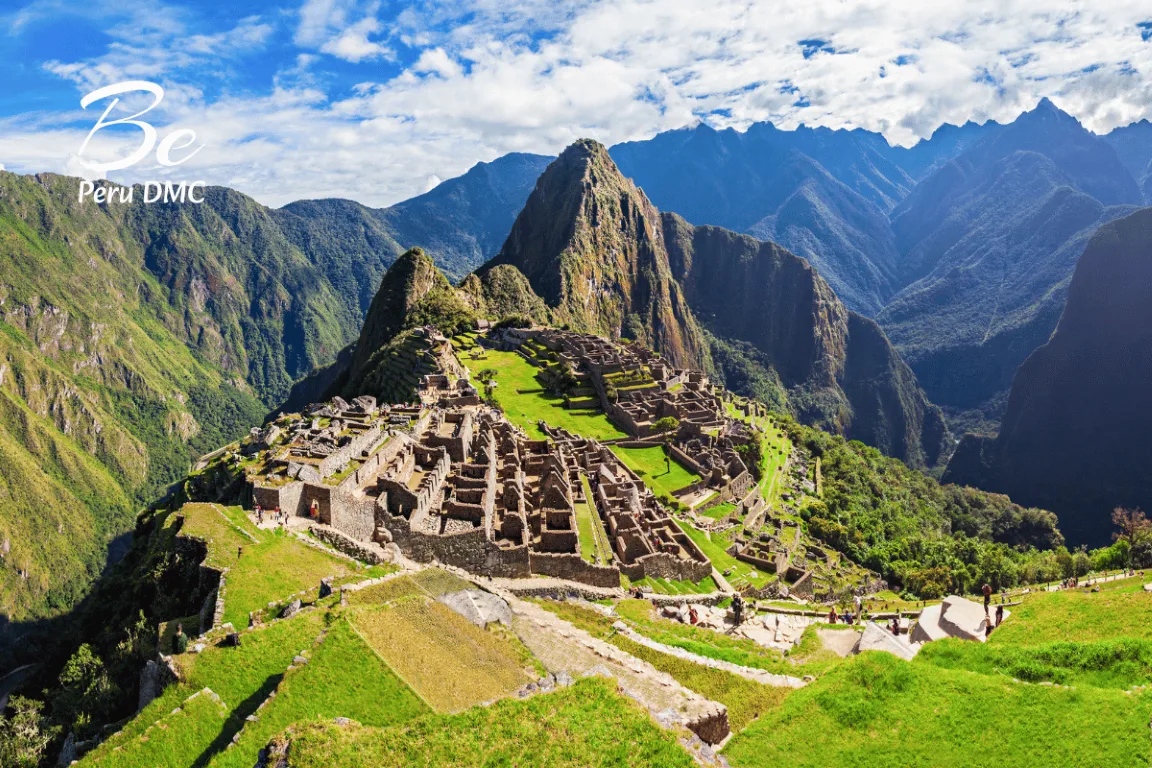
Plan Machu Picchu in Peru around the traveler: compare rail and trekking routes, understand entrance circuits, and allow for altitude and changing weather.
Machu Picchu, Peru’s 15th-century Inca citadel, combines archaeological interest with an extraordinary Andean setting of cloud forest and mountain peaks. For travel advisors, the essential question is not simply how to get there, but how to make the visit fit the traveler. This Machu Picchu travel guide focuses on route choices, entry arrangements, weather, and pacing: the decisions that turn a landmark visit into a considered part of a wider Peru journey.
The right fitWhere Machu Picchu fits in a Peru itinerary
Machu Picchu works naturally within a program linking Cusco and the Sacred Valley. It suits travelers interested in Inca history, landscape, and architecture, as well as active guests who want a trekking approach. Those seeking comfort can consider premium or panoramic rail services; those drawn to outdoor experiences may explore trekking programs with camping or glamping where available. Neither approach removes the need to assess walking demands at the site. Establish the guest’s priorities first, then build the surrounding program rather than treating every visitor as a candidate for the same excursion.
Route choicesHow to get to Machu Picchu: rail or trekking
Aguas Calientes is the gateway town at the foot of the mountain. Rail itineraries connect the Cusco region, including Ollantaytambo, with this town; confirm the actual departure station and any connecting transfers for the chosen service. The rail journey and the onward connection to the archaeological entrance are separate planning elements. For trekkers, the classic Inca Trail requires advance permit planning, often months ahead. Salkantay offers an alternative high-altitude landscape experience, though its itineraries and final access arrangements differ from the Inca Trail. Compare physical demands, accommodation style, and logistics rather than assuming all treks arrive in the same way or offer fewer crowds.
Tickets and accessChoose the entrance circuit before promising the visit
Machu Picchu entry is organized by designated circuits and time slots, which determine the route visitors can follow. Advisors should therefore discuss the desired experience before confirming transport or describing particular viewpoints as included. Check current ticket options and availability through the official Peruvian government sales channel or a verified authorized provider. Huayna Picchu and Machu Picchu Mountain are additional hiking choices requiring the appropriate ticket, not automatic extensions of a general visit. Their availability can be limited. Confirm the selected access conditions and allow the rest of the program to follow them; a train reservation alone does not establish entry to the site.
PacingAllow for altitude across the whole journey
Machu Picchu stands at approximately 7,970 feet (2,430 meters), considerably lower than Cusco at around 11,152 feet (3,399 meters). The wider itinerary can therefore matter as much as the citadel’s elevation, especially when a high-altitude trek is involved. Consider two to three quieter days in Cusco or the Sacred Valley as an initial acclimatization allowance before strenuous activity, then adapt the plan to the traveler and route. This is not a guarantee against altitude illness. Guests with health concerns should seek individualized medical advice. Avoid assuming that a visitor comfortable with ordinary sightseeing is automatically ready for demanding mountain walking.
When to travelChoose a season without promising the weather
May to October is generally the dry season and often favors hiking, but clear skies should not be promised. April and November are transitional months that may appeal to guests balancing weather preferences and visitor numbers; neither stable conditions nor fewer people are assured. December to March brings the lush surroundings associated with the rainy season, alongside a greater risk of weather-related travel delays and trail disruption. The cloud-forest climate can change quickly in any season. Present timing as a trade-off, and check conditions and operating arrangements for the specific route rather than describing one period as universally best.
Responsible visitsMake interpretation and care part of the experience
A thoughtful visit gives the terraces and stone temples as much attention as the mountain backdrop. A qualified local guide can help travelers understand agricultural design, Inca architecture, and features associated with astronomical observation, while distinguishing evidence from interpretation. Confirm current guiding requirements when arranging the visit. Brief guests to follow their assigned circuit and on-site instructions, avoid touching or climbing archaeological structures, and take litter away. These are practical ways to respect a fragile heritage setting. Encourage time for observation rather than presenting the visit solely as a race to a photograph or an additional summit.
Advisor planningCoordinate a tailored program with a Peru DMC
The strongest brief brings together travel dates, party profile, walking ability, preferred comfort level, and any interest in trekking or mountain hikes. Be Peru DMC can help travel advisors coordinate these priorities with entrance availability, guiding, transport connections, and the wider Cusco and Sacred Valley program. Include baggage storage and the balance between active and quieter days in that discussion. Where a requested component is unavailable, review the alternatives before presenting a confirmed experience. The value of local coordination is a coherent, clearly communicated itinerary—not a promise that weather, availability, or operating conditions will never change.
Machu Picchu planner’s checklist
Use these notes when briefing travelers and checking that the proposed program matches their expectations.
- 01
Pack for changing weather
Recommend layers, a dependable waterproof jacket, sturdy walking footwear or hiking boots, sun protection, and insect repellent for the changeable cloud-forest climate.
- 02
Plan meaningful guiding
Arrange a qualified local guide to interpret terraces, stone temples, and features associated with astronomical observation. Confirm current guiding requirements rather than relying on a blanket rule.
- 03
Check baggage allowances
Rail operators apply service-specific baggage limits. Confirm the allowance and arrange storage for larger bags with accommodation in Cusco or the Sacred Valley when needed.
- 04
Handle souvenir stamps carefully
If a novelty Machu Picchu stamp is available near the entrance, use a souvenir notebook rather than an official passport. Availability should not be promised.
- 05
Match the visit to the traveler
Discuss walking confidence, altitude experience, cultural interests, and any desired mountain hike before selecting the circuit and transport arrangements.
Build your Machu Picchu journey
Share your travelers’ interests, dates, and preferred pace with Be Peru DMC to shape a tailored Machu Picchu program.
Frequently asked questions
How do you get to Machu Picchu?
Rail journeys connect the Cusco region, including Ollantaytambo, with Aguas Calientes, the gateway town. Confirm the departure station and onward connection to the entrance. Trekking options include the classic Inca Trail and Salkantay-based itineraries, each with different access arrangements.
When is the best time to visit Machu Picchu?
May to October is generally the drier season. April and November can offer a seasonal compromise, while December to March brings greener surroundings and more rain-related disruption risk. Clear skies and lighter crowds are never guaranteed.
How high is Machu Picchu, and should travelers acclimatize?
Machu Picchu is approximately 7,970 feet (2,430 meters) above sea level, lower than Cusco at about 11,152 feet (3,399 meters). Allow time to adjust before strenuous activity; two to three quieter days can be a planning starting point, not a medical guarantee.
How do Machu Picchu tickets and circuits work?
Entry tickets specify a time and circuit, so the selected ticket shapes the visit. Check current options through official channels before confirming the itinerary. Huayna Picchu and Machu Picchu Mountain require tickets specifically including those hikes.
Is the train or a trek a better choice?
The train suits travelers who prefer less trekking and a stronger cultural focus. Treks suit guests seeking a more physically demanding journey. Train travel does not make the archaeological visit step-free, and trekking choices should reflect fitness and altitude experience.
How can a Peru DMC help plan Machu Picchu?
A Peru DMC can help align entrance availability, rail or trekking arrangements, guiding, transfers, luggage storage, and the wider Cusco itinerary. This coordination supports a tailored program without guaranteeing tickets, weather, or uninterrupted operations.
Want your travelers to live this story?
Tell us dates, group size and traveler profile. We design and operate the program under your brand.
Send us a brief →Illustrative photography