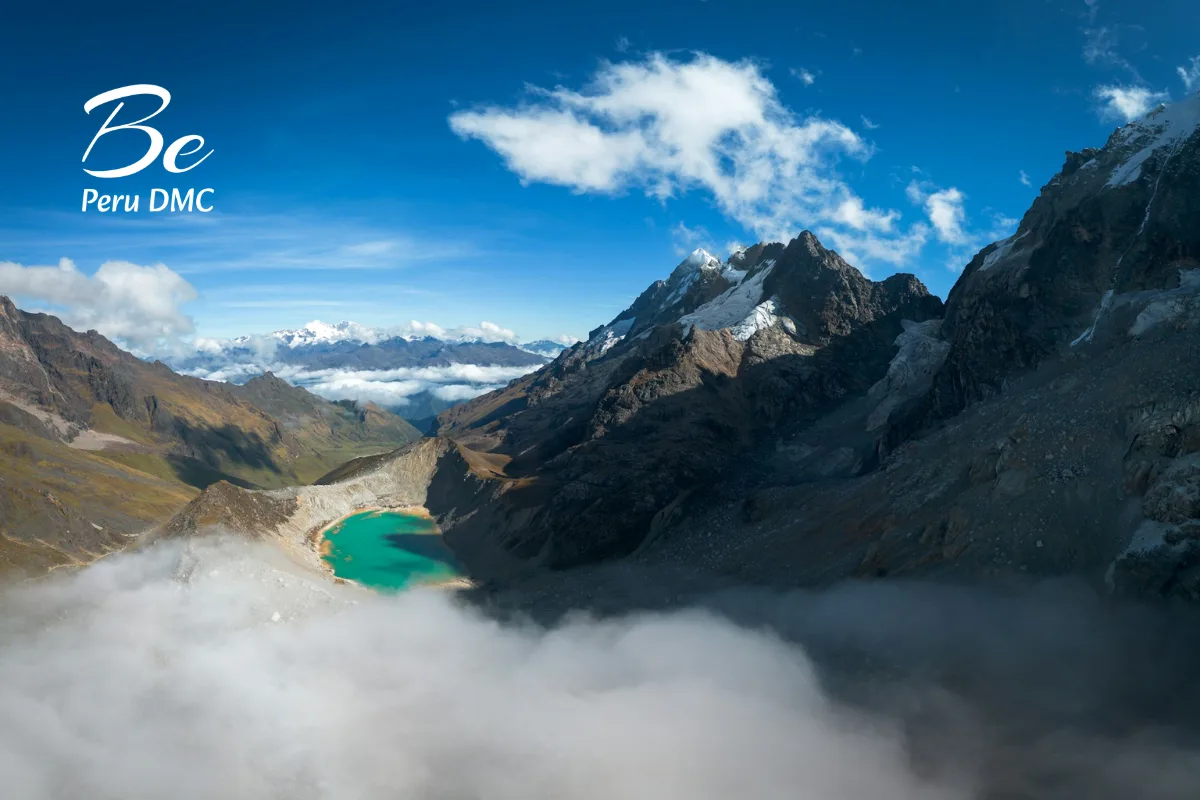
Plan the Salkantay Trek to Machu Picchu with a clear view of its difficulty, altitude, seasonal conditions and camping or glamping options.
The Salkantay Trek is a demanding, multi-day route through the Peruvian Andes, commonly planned over four to five days and combined with a visit to Machu Picchu. Its defining experience is the change in landscape: snow-capped mountains and glacial lakes give way to lush, subtropical cloud forest. For travel advisors, its appeal is clear, but so is the need to match the route to the client's hiking experience, altitude readiness and expectations of comfort.
Traveler fitWho the Salkantay trail suits
Salkantay suits active travelers who want sustained walking and mountain scenery to be central to their Peru journey. Prior hiking experience and a strong level of fitness are highly recommended: this is not simply a scenic transfer to Machu Picchu. Ask about recent multi-day walks, comfort on steep terrain and willingness to cope with changing conditions. A comfortable bed at camp can improve the overnight experience, but it does not make the walking or the altitude less demanding.
Route characterMountain landscapes rather than a chain of ruins
Compared with the classic Inca Trail, Salkantay places greater emphasis on natural landscapes than on successive Inca archaeological sites. The turquoise waters of Humantay Lake and the towering Apu Salkantay are key reference points when discussing the route; confirm how the selected program incorporates them. Salkantay does not require the classic Inca Trail's strict, limited trekking permits. That distinction can offer planning flexibility, but it should never be presented as a promise of last-minute availability for the whole journey.
PacingAllow time for altitude before the first walking day
The Salkantay Pass reaches roughly 15,090 feet (4,600 meters), making acclimatization a core part of the itinerary. Allow at least two to three days in Cusco or the Sacred Valley beforehand as an initial planning allowance; some travelers may need more. A measured pace and hydration support sensible trekking but do not prevent altitude illness. Traditional coca tea may be offered, but it is not a substitute for acclimatization or medical care. Confirm the team's oxygen, first-aid provision and response procedures.
Season and equipmentPlan for cold mountains and humid forest
May to October generally aligns with the preferred Andean dry-season window, with clearer skies and trails less prone to mud. Wetter conditions can increase concerns about mud and landslides; no season removes weather-related disruption. The route crosses freezing alpine environments before descending into humid forest, so one clothing setup will not suit every stage. Recommend a layering system and well-broken-in waterproof trekking boots. For tent-based programs, check the sleeping bag specification and whether a suitable four-season bag is included or needs to be arranged.
AccommodationCamping and glamping need a night-by-night brief
Traditional tent camping remains an option, while some Salkantay trekking programs offer high-altitude glamping in insulated geodesic domes or glass cabins. These can bring mountain and night-sky views together with comfortable beds; hot showers may be available at designated campsites. Describe those features only where confirmed. Ask for a night-by-night accommodation outline, including bedding and washing facilities, so travelers understand where comfort is enhanced and where the experience remains remote and weather-dependent.
Itinerary roleConnect the Salkantay Trek to Machu Picchu thoughtfully
The trek typically concludes in Aguas Calientes, where a hotel night provides a break before an early guided visit to Machu Picchu the following morning. Treat this as the culmination of the program, not an automatic extension that needs no coordination. Align the trekking finish, overnight stay, visit arrangements and onward travel. In a wider Peru itinerary, protect the acclimatization period before the trek and consider how much activity clients will welcome afterward rather than stacking demanding days together.
Visitor careKeep the trail experience responsible
Pack animals commonly transport camping equipment and personal duffels, allowing hikers to carry a lighter daypack. Advisors should ask how that support is organized, including animal welfare and baggage expectations. Brief travelers to follow their guide's directions, avoid leaving litter, respect local people and treat lakes and campsites with care. Comfortable accommodation does not remove the responsibility to limit waste or use resources thoughtfully. Present respectful behavior as part of the journey, not as an optional extra.
Advisor coordinationBuild a tailored program with a Peru DMC
A useful brief for Be Peru DMC starts with the travelers' hiking background, preferred travel period, available days and accommodation expectations. Include any concerns about altitude and the role Machu Picchu plays in the wider trip. A Peru DMC can help coordinate the route proposal, acclimatization stays, guiding, baggage support, overnights and onward arrangements as one tailored program. The goal is not to make Salkantay sound effortless, but to make its demands and rewards clear before clients commit.
Salkantay planning notes for travel advisors
Use these notes to turn an appealing trekking idea into a clear client brief and a program that matches the travelers.
- 01
Pack for both environments
Plan layers for freezing alpine conditions and humid cloud forest, plus broken-in waterproof trekking boots. For camping, confirm a suitable four-season sleeping bag and clarify what equipment is supplied.
- 02
Confirm baggage support
Pack animals commonly carry camping equipment and personal duffels, leaving travelers with a daypack. Check the baggage arrangements and what each traveler must carry.
- 03
Choose the seasonal window
May to October generally offers drier conditions. Keep weather flexibility in the wider itinerary and check current trail conditions rather than treating dry season as a guarantee.
- 04
Protect the final night
A hotel night in Aguas Calientes commonly separates the trek from Machu Picchu. Coordinate that overnight with the guided visit rather than treating the finish as an unplanned add-on.
- 05
Check support and welfare
Confirm the guiding team's first-aid and oxygen provision, communication arrangements and response procedures. Ask about responsible treatment of pack animals and waste handling along the route.
Plan a Salkantay adventure
Share your clients' hiking experience, preferred dates and comfort expectations with Be Peru DMC to shape a tailored Salkantay program.
Frequently asked questions
How difficult is the Salkantay Trek?
It is a challenging high-altitude trek, commonly planned over four to five days. Steep ascents, varied terrain and the Salkantay Pass at roughly 15,090 feet (4,600 meters) make prior hiking experience, good fitness and acclimatization important.
How does Salkantay compare with the classic Inca Trail?
Salkantay emphasizes mountain scenery, glacial lakes and cloud forest rather than a sequence of Inca archaeological sites. It does not use the classic Inca Trail's limited trekking permits, but accommodation, transport and Machu Picchu visit arrangements still need confirmation.
When is the best time for Salkantay trekking?
May to October is generally the preferred planning window, corresponding to the Andean dry season. Clearer skies and less muddy trails are more likely, not guaranteed; cold at altitude and changing weather remain considerations.
Can travelers choose glamping instead of camping?
Some programs offer insulated geodesic domes or glass cabins rather than traditional tents. Comfortable beds and hot showers may be available at designated campsites. Confirm each night's accommodation and facilities rather than assuming the same standard throughout.
How much acclimatization time should advisors allow?
Allow at least two to three days in Cusco or the Sacred Valley before the trek as a planning starting point, not a guarantee of readiness. Individual responses vary, and travelers with health concerns should seek medical advice before booking.
How does the Salkantay Trek connect with Machu Picchu?
Programs typically finish the trekking portion in Aguas Calientes, with a hotel night before a guided Machu Picchu visit the following morning. The walking route and the citadel visit should be coordinated together, with the final arrangements confirmed for the selected program.
Want your travelers to live this story?
Tell us dates, group size and traveler profile. We design and operate the program under your brand.
Send us a brief →Illustrative photography