From Inti Raymi in Cusco to the Virgen de la Candelaria in Puno, Peru's celebrations bring regional identities into public space through music, devotion, dress and dance.
Coastal marinera traditions, Amazonian San Juan gatherings and Ayacucho's Semana Santa reveal very different expressions of Peruvian culture. Their meaning extends beyond the main event into family life, local food and community participation.
We build journeys around each celebration's rhythm, with time for context, considered viewing arrangements and realistic transfers. These are living traditions, not performances staged for visitors; respectful participation guides every proposal.
Signature experiences
Six ways to encounter Peru in celebration
jack_g · CC BY-SA 2.0 · Wikimedia Commons
Cusco
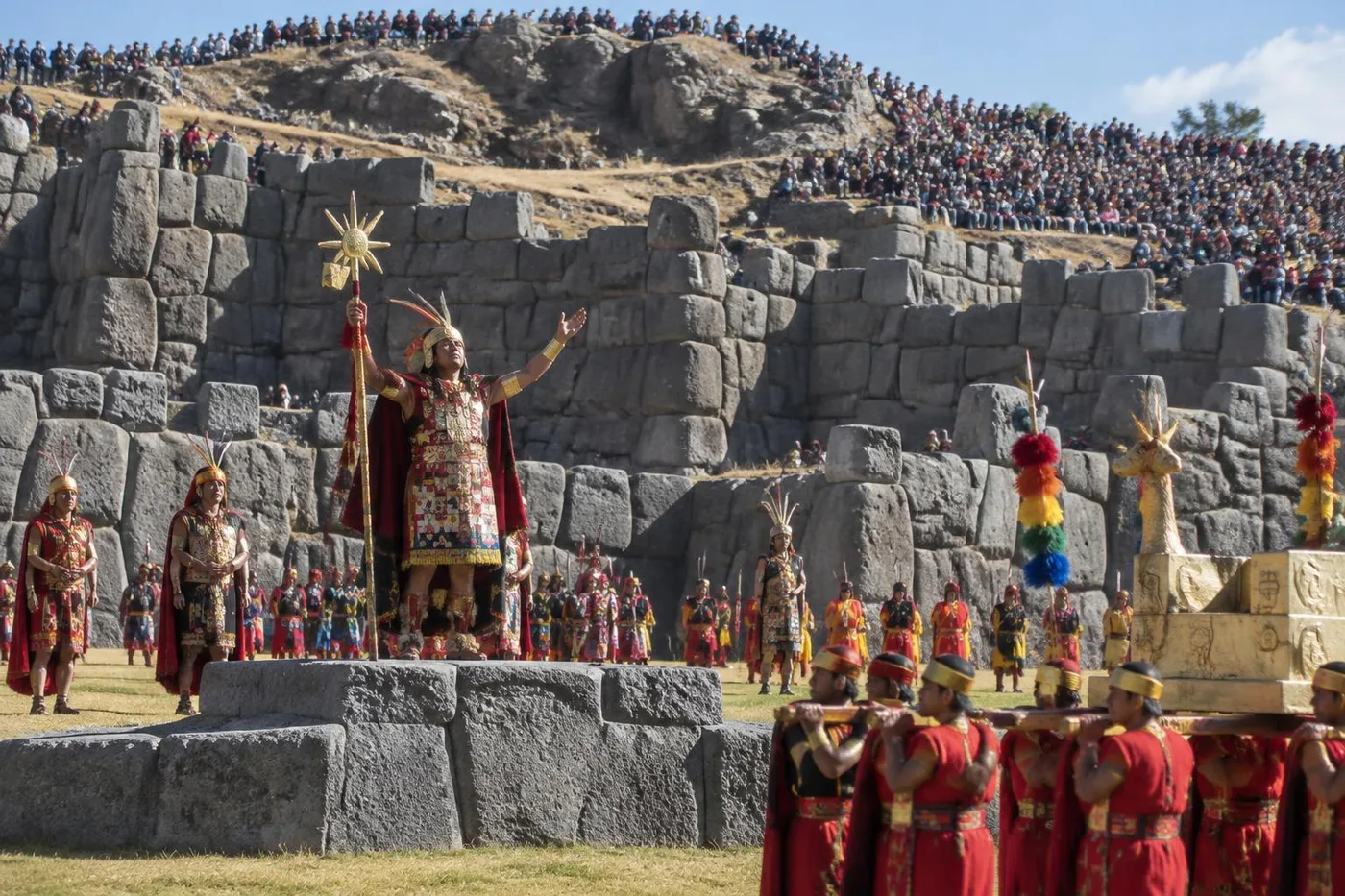
Inti Raymi
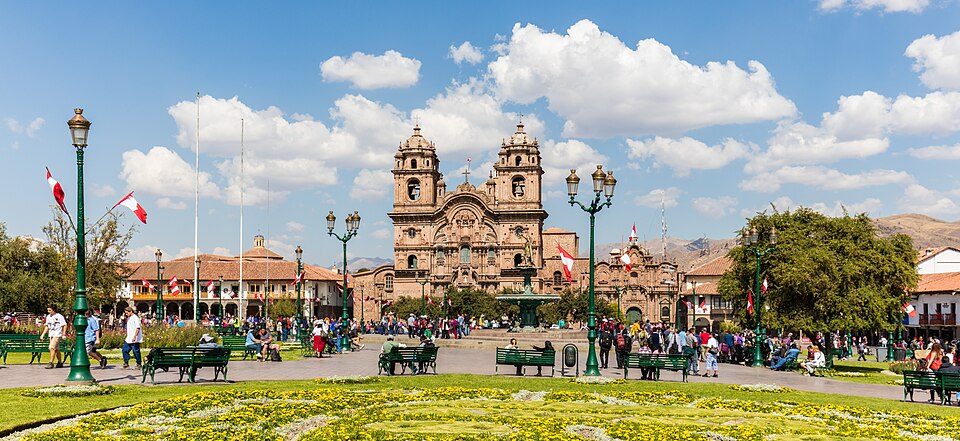
Explore Cusco's June celebration of Inca heritage, with interpretation connecting the public festivities to the city's history. Plan early for accommodation, road closures and crowds; any ticketed viewing or reserved seating must be confirmed separately.
⏱
Suggested: 2–3 days in Cusco, plus acclimatization time
◎
Cultural FITs, heritage enthusiasts and organized groups
QM Keen · CC BY-SA 4.0 · Wikimedia Commons
Puno
Virgen de la Candelaria
Discover the devotion, music and regional dance traditions surrounding Puno's February celebrations. The program requires early hotel planning, crowd-aware transfers and respect for religious observances; parade routes, admissions and viewing arrangements need confirmation.
⏱
Suggested: 2–3 festival days, within an altitude-aware itinerary
◎
Dance and music enthusiasts, cultural groups and experienced FITs
MaSii · Public domain · Wikimedia Commons
Trujillo
Marinera Festival Traditions
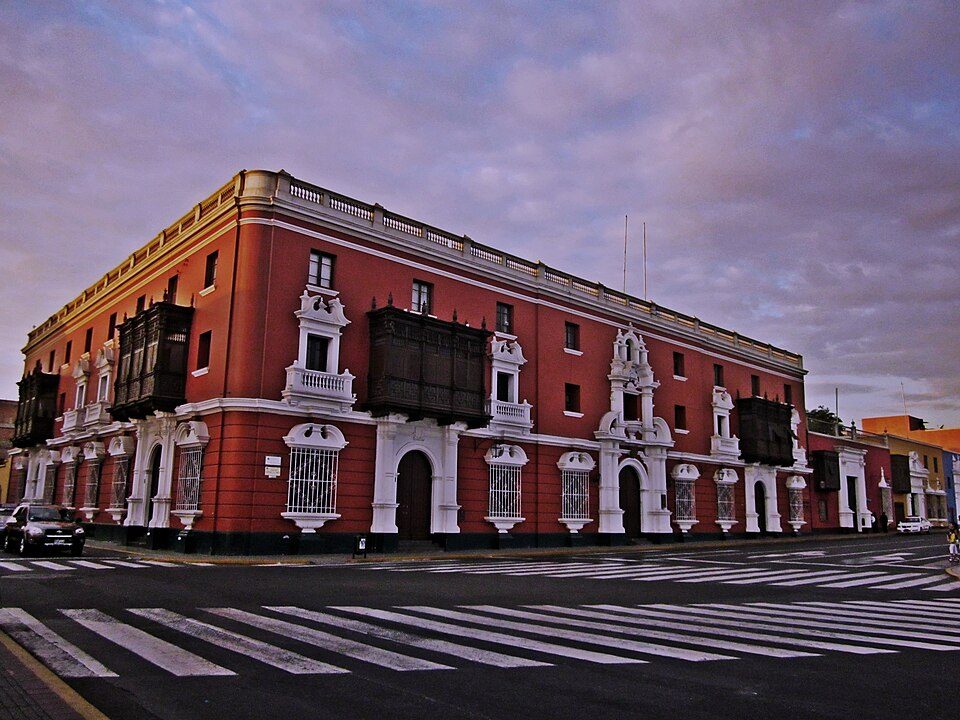
Explore marinera's elegant footwork, handkerchief gestures and place in northern coastal identity through cultural interpretation and, when arranged, dance encounters. Traditionally associated with January celebrations, this concept does not assume that a particular competition takes place in Trujillo; confirm the current calendar, venue and admission before inclusion.
⏱
Suggested: 1–2 days
◎
Couples, performing-arts groups and coastal culture enthusiasts
AgainErick · CC BY-SA 3.0 · Wikimedia Commons
Cusco Region
Qoyllur Rit'i Pilgrimage
Approach this sacred Andean pilgrimage as a religious gathering, with its movable calendar generally falling in May or June. Remote terrain, demanding walking, cold and very high altitude require careful suitability assessment and acclimatization; visitor participation depends on community guidance and access subject to current official regulations.
⏱
Multi-day concept; route and acclimatization assessed individually
◎
Prepared, experienced high-altitude travelers with a serious cultural interest
Bettyreategui · CC BY-SA 4.0 · Wikimedia Commons
Peruvian Amazon — San Martín or Loreto
Fiesta de San Juan
Discover June celebrations associated with San Juan through regional food, music and public gatherings around Tarapoto or Iquitos. Each locality follows its own program; select one Amazon base and confirm community participation, river or road transfers and visitor access rather than assuming a standardized event.
⏱
Suggested: 2–3 days in one Amazon destination
◎
Food and culture enthusiasts, curious FITs and adaptable small groups
Grupotres21 · CC BY-SA 4.0 · Wikimedia Commons
Ayacucho
Semana Santa
Experience Ayacucho's Holy Week through processions, devotional traditions and the city's distinctive cultural setting. Its movable March or April calendar brings strong accommodation demand and busy streets; plan respectful observation, flexible transfers and photography around worshippers' needs.
⏱
Suggested: 3–4 days around selected observances
◎
Religious heritage travelers, photography enthusiasts and cultural groups
Trade planning essentials
Annual timing
Inti Raymi and San Juan: June; Candelaria: February; marinera traditions: commonly January; Qoyllur Rit'i: generally May or June; Semana Santa: March or April.
Confirmed event dates
Exact dates are not confirmed on this page. Verify the relevant year's official program, event location and daily schedule before confirming client arrangements.
Booking lead time
Begin planning well ahead of the festival season. Request accommodation and transport checks early; reconfirm event-dependent services as official programs are released.
Hotel constraints
Festival demand can limit room choice, group allocations and accommodation close to event routes. Offer alternatives without promising inventory.
Crowd management
Build in walking time, agreed meeting points and flexible viewing positions. Assess accessibility, standing time and group size against each event's conditions.
Transportation
Allow for road closures, diversions and restricted vehicle access. Some programs require domestic flights, longer road transfers or locally arranged boats.
Cultural etiquette
Processions and pilgrimages retain religious and community significance. Follow local guidance, ask before close-up photography and never obstruct participants.
Admission and access
Tickets, entry controls and visitor access vary by event and are subject to current official regulations; verify at time of booking. Special access and reserved seating are not guaranteed.
Private and group suitability
Private guiding and group logistics can be designed around public events, not as private versions of the celebrations. Assess pilgrimage suitability individually.
Activity and altitude
Most concepts involve walking and extended standing. Cusco is approximately 3,400 m and Puno approximately 3,800 m; Qoyllur Rit'i requires separate high-altitude planning.
Practical information
Build the journey around the celebration
Altitude and pacing
Include appropriate acclimatization time before busy festival days in Cusco or Puno. Qoyllur Rit'i involves substantially more demanding high-altitude conditions and is not a casual festival excursion.
Machu Picchu extensions
Arrange tickets in advance and align the selected circuit, timed admission, train and onward transfers. Entry conditions and potential restrictions are subject to current official regulations; verify at time of booking.
Realistic transport
Choose a coherent regional route rather than linking distant festivals into a rushed journey. Iquitos generally requires air access from Peru's main tourism hubs; Amazon outings may involve boats, while remote Andean routes need dedicated road and walking logistics.
Seasonality
June generally falls in the Andean dry season, with cold nights; February in Puno falls in the wetter season. Amazon destinations remain warm, humid and rain-prone, while coastal Trujillo has different conditions. Festival calendars—not a single national 'best season'—shape these trips.
Responsible participation
Plan cultural encounters with willing local participants, respect sacred spaces and brief clients on photography and waste. Treat guides and support teams fairly, and set realistic accommodation expectations for remote routes.
Who it's for
Match the celebration to the client
Luxury FIT travelers
Private interpretation and carefully paced logistics for clients who value cultural depth; comfort and viewing options remain dependent on local conditions.
Couples and honeymooners
Combine selected festivities with quieter heritage visits, regional cuisine and time away from the busiest public gatherings.
Families and multigenerational groups
Choose manageable daytime segments with flexible walking and rest arrangements; pilgrimage conditions are generally a separate consideration.
Active cultural travelers
More demanding concepts for prepared clients who understand remote terrain, altitude and the responsibilities of attending a sacred gathering.
Senior travelers
Tailor pacing, standing time and vehicle drop-offs, with access and seating assessed before proposing attendance.
Special-interest and educational groups
Context-led programs for dance, music, religious heritage and cultural study, with group size adapted to the event.
These are customizable journey concepts, not fixed departures. Select one festival anchor and verify its annual calendar before shaping the route; the featured celebrations do not all coincide.
Why partner with Be Peru DMC?
Local context. Trade-focused coordination.
Cusco-based destination expertise
Ground Peru programs in local knowledge, with clear distinctions between public festivities, ticketed events and sacred gatherings.
Tailor-made travel design
Adapt the festival anchor, pacing and cultural depth to your agency's market and your clients' interests.
Private FIT and group operations
Plan transfers, meeting points and guiding around crowd conditions and the realities of each group.
White-label services
Support your agency's client relationship with proposals and program communication suited to your brand.
Carefully selected local suppliers
Coordinate services against the itinerary's requirements, checking event-period capacity rather than assuming availability.
Guides and Experience Leaders
Request professionals suited to the cultural content and group needs; language and specialist requirements are confirmed during planning.
On-the-ground coordination
Build operational flexibility around changing routes, event schedules and transport conditions, with customized proposals and local support.
Responsible cultural encounters
Prioritize respectful participation, community guidance and realistic expectations rather than promises of exclusive access.
Trade resources
Request the tools to shape your proposal
FAQs for travel professionals
Can festivals be included in private FIT and group programs?
Yes. Guiding, transfers and the surrounding itinerary can be tailored for private clients or groups, while the celebration itself remains a public or community event. Group size, access and any seating must be assessed individually; exclusive access is not implied.
Can you customize the experience for different traveler profiles?
Yes. We can adapt the event segment, pace and wider route for families, couples, senior travelers and special-interest groups. Qoyllur Rit'i requires a separate assessment of experience, preparation and suitability because of its demanding high-altitude conditions.
How early should agencies begin planning?
Start well ahead of the festival season, particularly for group rooms and accommodation near event areas. Exact dates, venues and services must be checked for the relevant year, and provisional plans may need adjustment when official programs are released.
Are guides available in different languages?
Request the required language and any expertise in dance, religion or regional heritage in your initial inquiry. Guide and Experience Leader assignments depend on the destination, dates and confirmed availability.
Can several major festivals be combined in one trip?
Not usually: the featured celebrations occur at different times of year and in widely separated regions. We recommend one festival anchor with complementary cultural visits, taking account of Andean rainfall, cold highland nights and Amazon conditions.
What access and logistical requirements should clients expect?
Expect event-specific admissions, possible street closures, walking and crowded viewing areas. Tickets, permits where applicable and access rules are subject to current official regulations; verify at time of booking. Reserved seating requires explicit confirmation, and pilgrimage participation must respect community guidance.
Let's Create an Extraordinary Journey for Your Clients
Tell us what your clients are looking for, and our local team will help design a customized Peru experience.
 jack_g · CC BY-SA 2.0 · Wikimedia Commons
 QM Keen · CC BY-SA 4.0 · Wikimedia Commons
 MaSii · Public domain · Wikimedia Commons
 AgainErick · CC BY-SA 3.0 · Wikimedia Commons
 Bettyreategui · CC BY-SA 4.0 · Wikimedia Commons
 Grupotres21 · CC BY-SA 4.0 · Wikimedia Commons
 Diego Delso (1974–) Alternative names Poco a poco Description Spanish free-license photographer · CC BY-SA …
 Be Peru DMC
 kvdiego · CC BY-SA · Wikimedia Commons
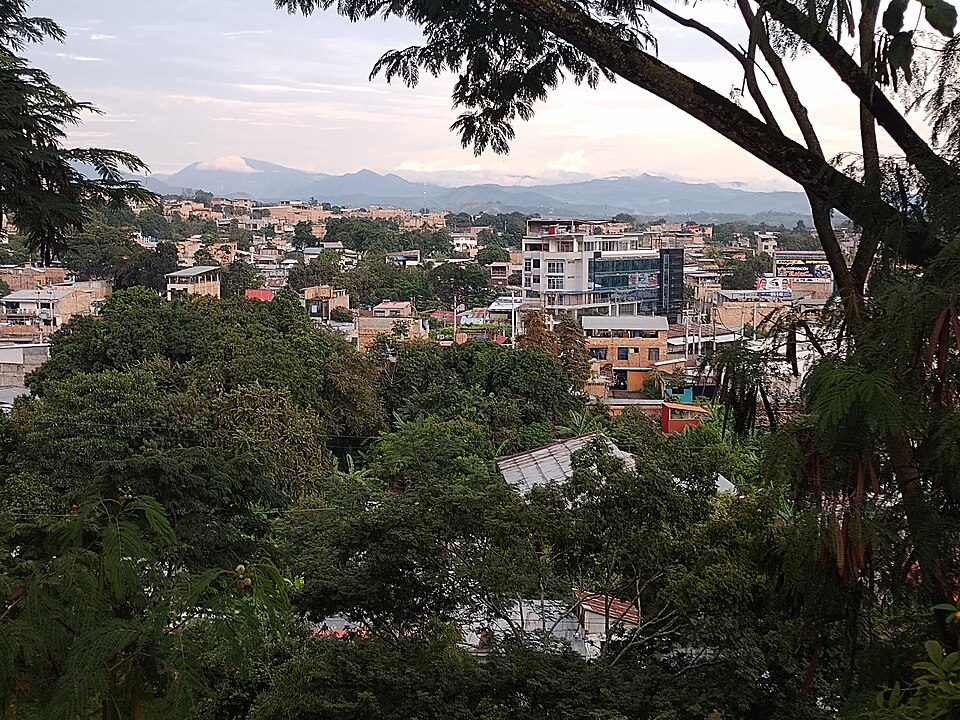 Marlon Nicolás · CC BY-SA · Wikimedia Commons
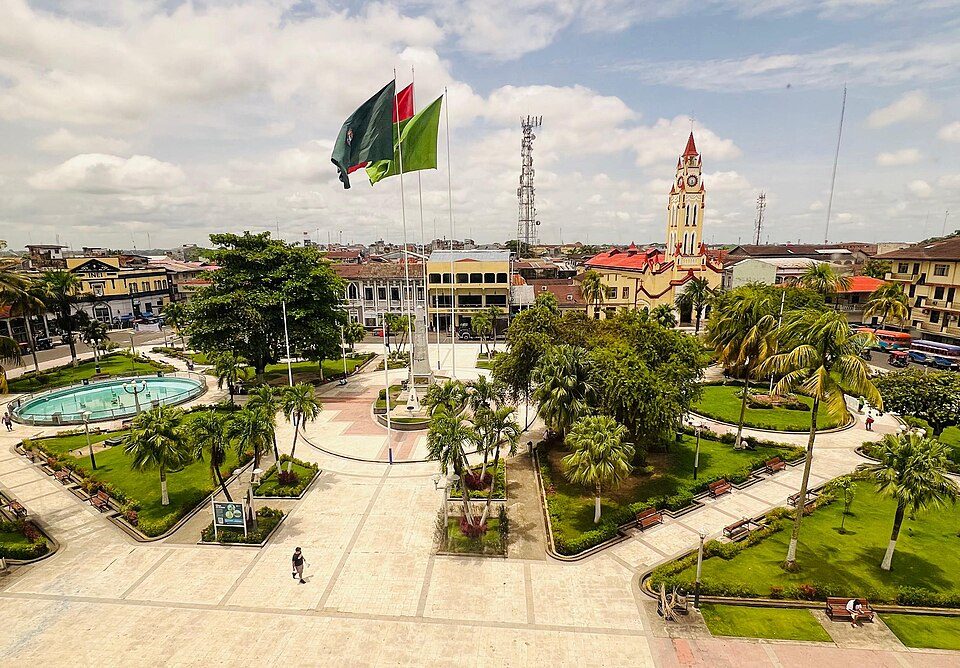 LLs · CC BY-SA · Wikimedia Commons