Learning becomes memorable
A concept understood in a classroom often becomes much clearer when students can see, taste, measure, question or discuss it in place.
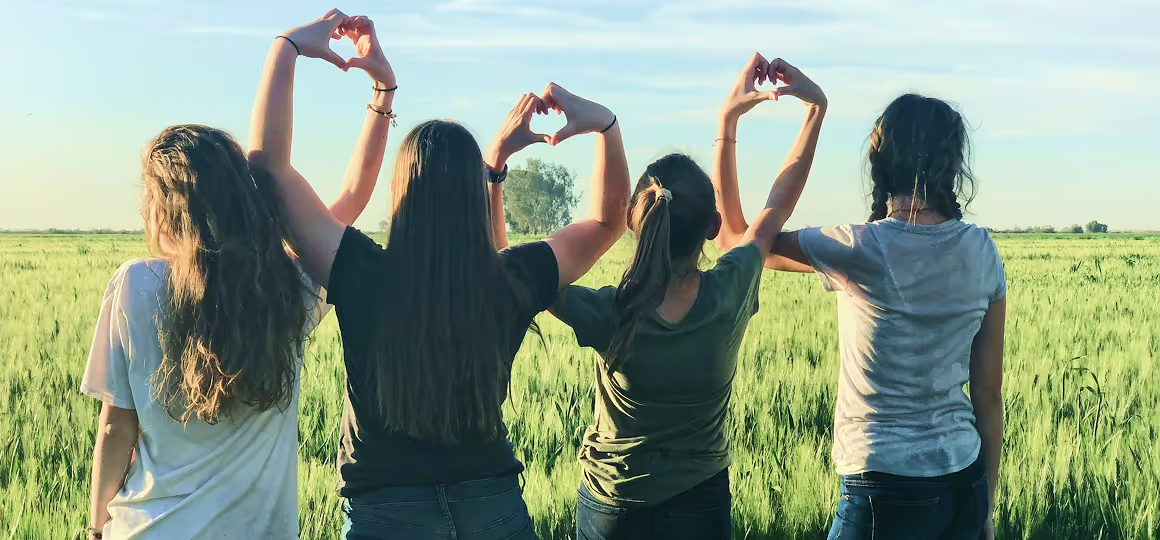
The destination becomes part classroom, part laboratory, part conversation.
Discuss this model →Educational travel works when academic themes become tangible. Archaeology, biodiversity, migration, food systems, art, indigenous culture, conservation and contemporary Peru can all become field-based learning when the program is designed around clear educational objectives.
The operating model has to fit the travel style just as closely as the itinerary fits the traveler.
A concept understood in a classroom often becomes much clearer when students can see, taste, measure, question or discuss it in place.
Archaeology, ecology, political history, architecture, food, art, migration and indigenous studies can all be built into a route.
Educational value has to sit inside realistic supervision, transport, meals, rooming, safeguarding and emergency planning.
A visual edit of the moments, settings and traveler energy we would build around. Click any image for the full-screen gallery.
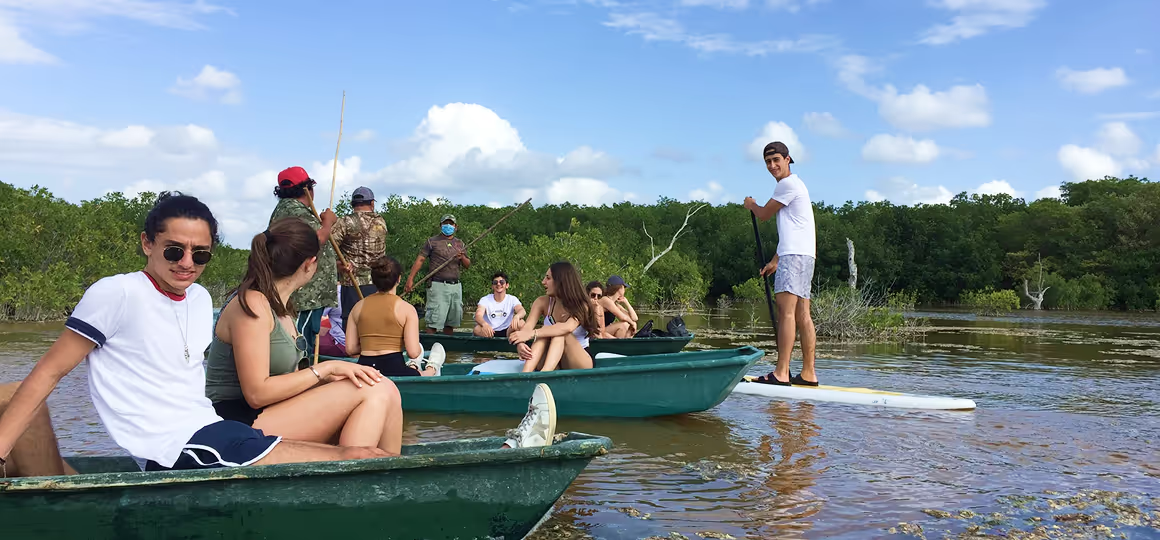
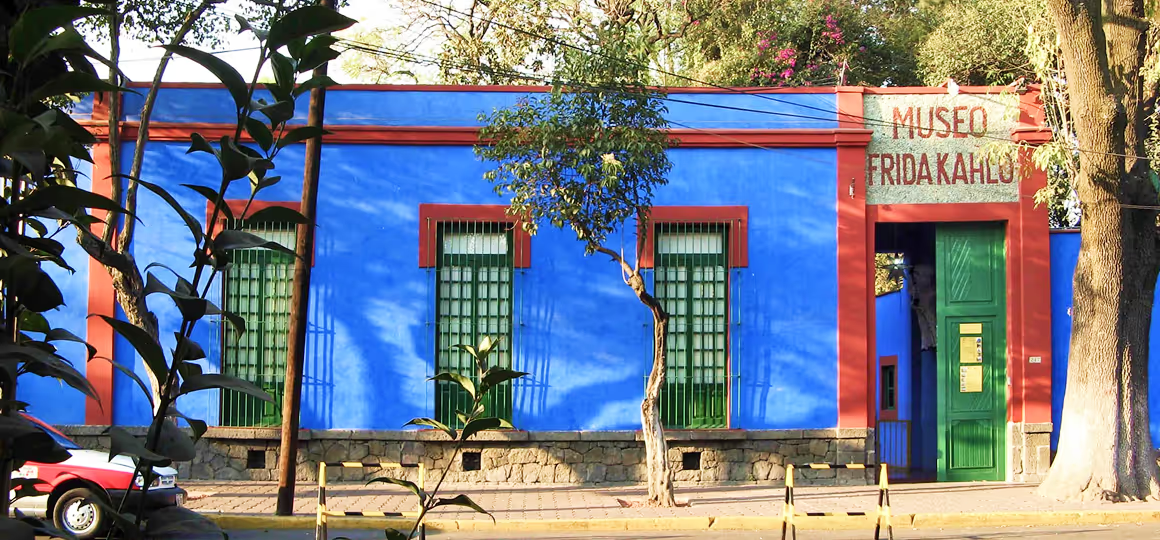
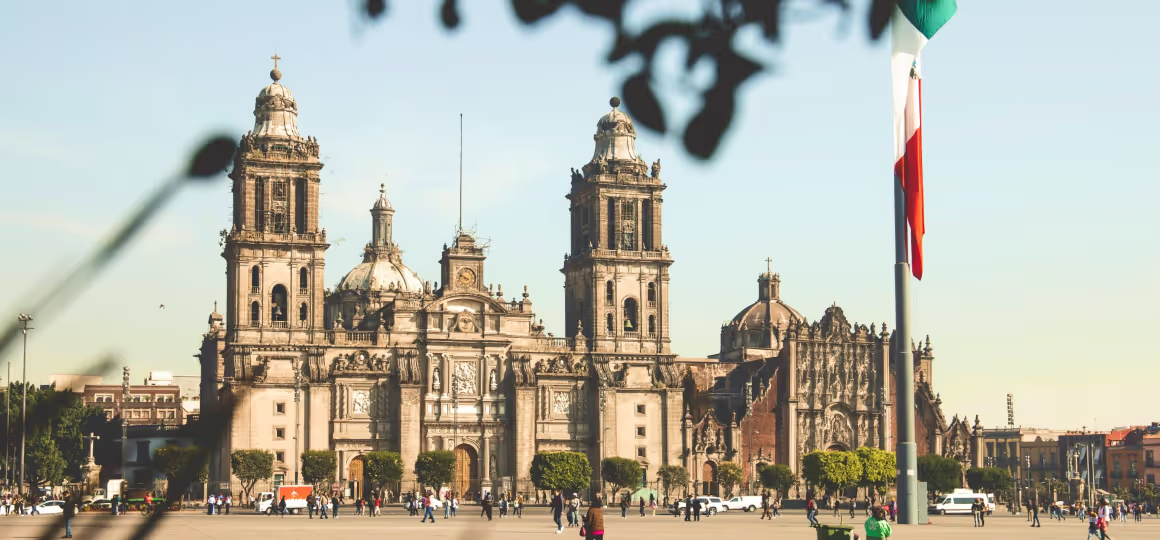
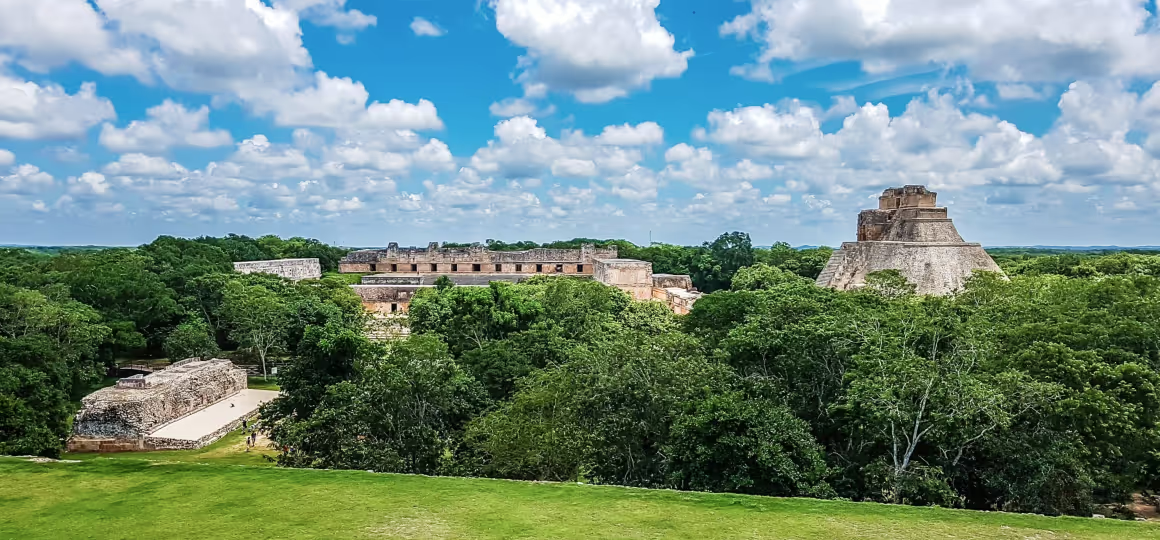
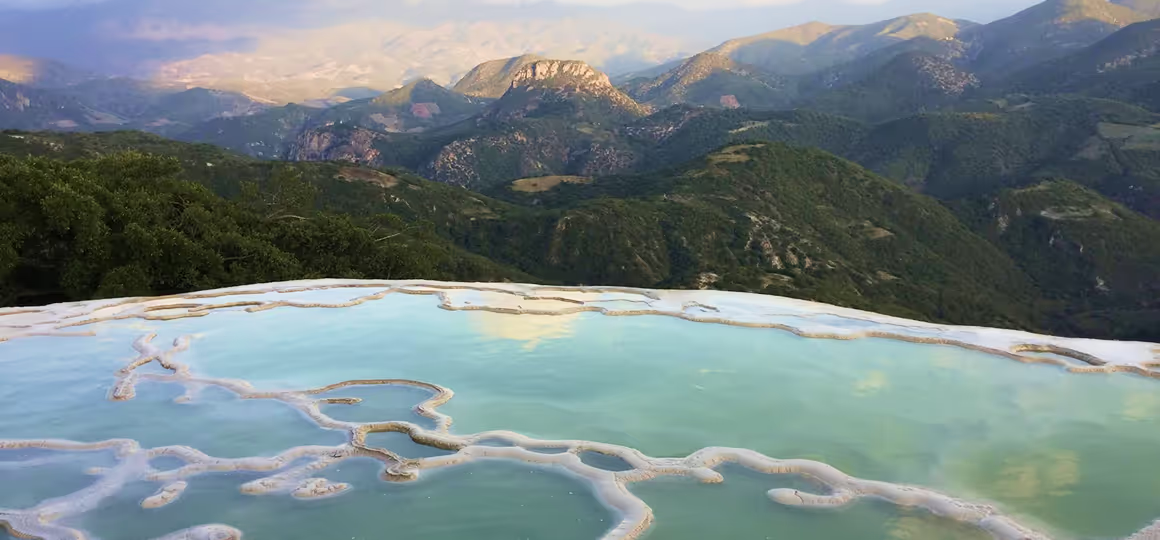
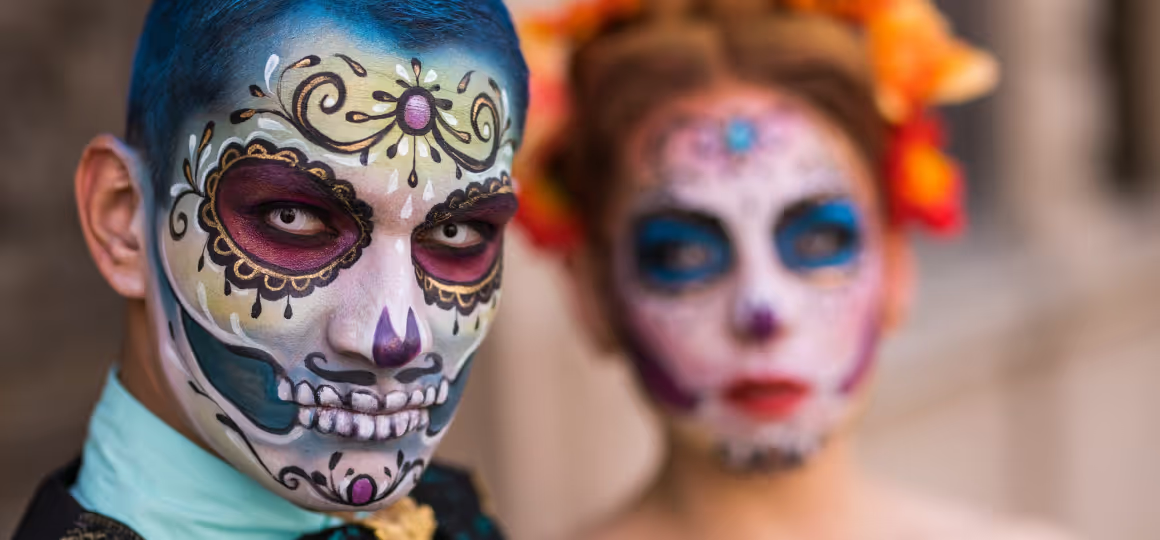
The four stages stay simple, but what happens inside them changes significantly by travel style.
Course theme, student age, curriculum outcomes, faculty priorities and required academic content.
Museums, sites, communities, specialists, field exercises and reflection are chosen because they support the learning objective.
Balance concentration, movement, meals, free time and debriefing so the group can absorb rather than just consume information.
Rooming, supervision, transport, dietary needs, risk planning and local emergency support are built into operations.
These are examples, not limits. The point is to show how different destinations solve different traveler and operating needs.
Museums, urban systems, contemporary culture and extraordinary historical range.
Strong field learning around archaeology, living culture and natural systems.
Deep cultural and environmental learning for mature student groups.
Education is a natural fit for responsible travel because the program can explicitly connect students with conservation, local knowledge, community voices and the real consequences of how tourism operates.
Explore Be Sustainable →These remain opportunity cards — in the final site each can open a dedicated itinerary page, proposal or PDF.
Tell us your audience, commercial model and what your program needs to achieve.
Send us a brief →