Plan a Choquequirao trek with a clear view of the challenge: steep canyon trails, expansive Inca ruins and the time and support needed for a rewarding journey.
Choquequirao is a remote Inca archaeological complex in Peru's Vilcabamba mountain range, reached on the classic route by a demanding multiday trek across the Apurímac Canyon. For travel advisors, its appeal is the combination of substantial ruins, dramatic terrain and fewer visitors than Machu Picchu. It is best presented as a dedicated trekking experience, not a quick sightseeing addition. Travelers need to value the journey on foot as much as the archaeological destination.
ContextAn Inca city beyond the familiar circuit
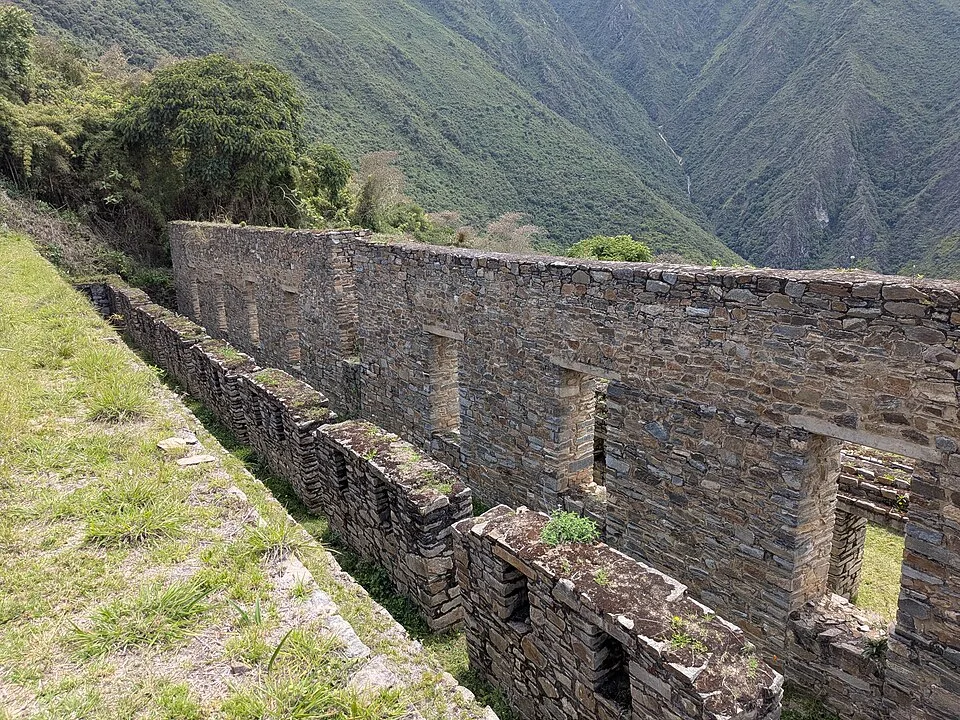
Built during the 15th and 16th centuries, Choquequirao served administrative and ceremonial functions. Its name is commonly translated as “Cradle of Gold.” The terraces, plazas and structures reveal the ambition of Inca engineering in a steep mountain setting. Much of the complex remains within dense cloud forest; the extent excavated is often described as around 30%, an approximate figure rather than a fixed measure of what visitors can see. Comparisons with Machu Picchu offer context, but Choquequirao deserves time on its own terms.
TrailWhat makes the Choquequirao trek demanding
The central challenge is the canyon crossing. From the Capuliyoc viewpoint, the route descends toward the Apurímac River before climbing the opposite canyon wall into cloud forest. Those substantial elevation changes matter more than a simple distance total. Daily walking can run roughly six to ten hours, depending on the program and group pace. The trail suits fit travelers who have experience with sustained uphill and downhill walking and are comfortable camping. It is less suitable for clients seeking gentle walks, easy exits or hotel-based touring.
PacingFour days, five days or a longer expedition
A classic round-trip trek is commonly planned over four days from the trailhead. Five days can create space for a full, unhurried day exploring the Choquequirao ruins rather than fitting the visit between demanding walking stages. That extra time supports a more rewarding archaeological experience, but does not remove the steep climbs. Extended routes continuing toward Machu Picchu are often described as seven to nine days. Treat those as separate expedition-style programs, with their own route, support and onward-entry arrangements, rather than a simple extension to sell without review.
PreparationAltitude and the contrast between canyon and cloud forest
The ruins lie at approximately 3,050 meters (10,010 feet), so preparation should account for altitude as well as physical exertion. Allow at least two days in Cusco as an initial acclimatization planning allowance, adjusting for the traveler; no fixed stay prevents altitude illness. Conditions also change markedly along the route. The canyon bottom can be very hot, while nights higher up can reach freezing. Discuss hydration, sun and insect protection, layers and an appropriate sleeping setup. Before selecting departure dates, ask the local team to review expected weather and trail conditions.
RuinsMake time for the llama terraces and ceremonial spaces
Among Choquequirao's distinctive features are llama figures formed with white stone, commonly described as quartz, set into terrace walls. They recall the importance of llamas as pack animals in the Inca world. Reaching this sector involves steep ground and narrow ancient stairs, so allow time and assess travelers' footing after the approach trek. The main plaza and leveled ceremonial mountaintop offer broad views of surrounding Andean peaks. Sunset can be atmospheric, and condors may ride the thermals, but neither wildlife sightings nor a late visit should be promised without checking the day's arrangements.
LogisticsCoordinate the approach, camping and site entry
The classic approach generally begins at Cachora or the Capuliyoc lookout. The road journey from Cusco is commonly estimated at around four hours, but the starting point and road conditions affect the transfer. Confirm it rather than building a tight connection around that estimate. A proposal should clearly state who provides tents, meals, drinking water and luggage support, and whether site entry is included. Independent hiking does not remove these needs. Pack mules with a muleteer can support equipment transport, but specific arrangements must be agreed in advance.
Responsible planningBuild a considered program with a Peru DMC
Responsible travel here starts with realistic expectations and respect for a fragile archaeological landscape. Keep to established visitor routes, avoid climbing terrace walls, carry out litter and observe wildlife without approaching or feeding it. Make respectful treatment of local staff and pack animals part of supplier discussions. Be Peru DMC can help travel advisors shape a tailored program around fitness, archaeological interests, acclimatization and available days, while coordinating the transfer, guide and camping brief. The aim is a coherent journey with appropriate support and time to appreciate the site, not a promise of solitude or effortless adventure.
Choquequirao planning notes for travel advisors
Use these notes when qualifying travelers and preparing a proposal. Reconfirm variable costs and trail arrangements for the departure.
- 01
Plan for vertical effort
The classic approach drops roughly 1,500 meters (4,900 feet) from Capuliyoc toward the Apurímac River, then climbs approximately 1,800 meters toward the site. Distance alone understates the challenge.
- 02
Protect acclimatization time
Choquequirao sits at about 3,050 meters (10,010 feet). Build in time in Cusco before the trek and assess each traveler's response rather than treating two days as medical clearance.
- 03
Agree on a cash budget
There are no ATMs on the trail. The source guide suggests S/ 300–400 for incidental spending, but the appropriate amount depends on inclusions, extra water, campsite facilities and tips. Do not treat it as a fixed requirement.
- 04
Pack for contrasting conditions
The canyon floor can be intensely hot, with biting sandflies, while higher camps and the ruins can experience freezing nights. Recommend high-SPF sunscreen, effective insect repellent and layered clothing.
- 05
Confirm support before departure
Clarify camping equipment, food, water and pack-mule arrangements with a muleteer where appropriate. Discuss contingency procedures explicitly; an animal for an emergency transfer should never be assumed available.
Design a trek with time for Choquequirao
Share your travelers' hiking experience, interests and available days with Be Peru DMC so we can help shape a considered Choquequirao program.
Frequently asked questions
Where is Choquequirao in Peru?
Choquequirao is an Inca archaeological complex in the Vilcabamba mountain range, above the Apurímac Canyon. The classic approach starts around Cachora or Capuliyoc, reached by road from Cusco, and continues on foot over several days.
How difficult is the Choquequirao trek?
It is a demanding trek with steep canyon descents and climbs. Hiking days can involve roughly 6–10 hours on foot, depending on the itinerary and pace. Fitness, acclimatization and comfort with consecutive camping nights all matter.
How many days should I allow for the Choquequirao trail?
The classic round trip typically takes four days from the trailhead. Five days can allow a full day at the ruins. Longer routes toward Machu Picchu are often planned over seven to nine days and need separate logistical review.
Do I need a permit or entrance ticket?
The conventional trekking route has not used the Inca Trail's advance-permit system, but entry to the archaeological site carries a separate fee. The source guide cites approximately S/ 60; confirm current access requirements, payment arrangements and fees before quoting.
Can travelers hike to Choquequirao without a guide?
Independent trekking has been possible, but travelers must manage navigation, camping equipment, food and water on steep terrain. For an agency-designed trip, a local guide and coordinated support are advisable. Confirm current access conditions and any requirements before departure.
What altitude is Choquequirao, and is acclimatization necessary?
The ruins stand at approximately 3,050 meters (10,010 feet). Allow acclimatization time before trekking; at least two days in Cusco is a useful starting point, not a guarantee against altitude illness. Individual health and response to altitude require consideration.
Want your travelers to live this story?
Tell us dates, group size and traveler profile. We design and operate the program under your brand.
Send us a brief →Illustrative photography